
Maintaining professional relationships while managing overdue payments requires a balanced approach. A gentle follow-up helps resolve outstanding contractor invoices without damaging client rapport. Polite reminders often clear up simple administrative delays or oversight issues, ensuring you get paid while staying professional. To simplify your communication, below are some ready to use templates.

Image cover: The Professional Guide to Polite Payment Reminders: Email Templates and Scripts
Letter Samples List
- Gentle Reminder Letter for Unpaid Contractor Services
- First Notice Letter Regarding Outstanding Contractor Invoice
- Polite Follow-Up Letter for Past Due Contracting Fees
- Friendly Inquiry Letter for Unpaid Construction Invoice
- Initial Collection Letter for Completed Contractor Work
- Soft Reminder Letter Regarding Your Contractor Balance
- Courtesy Notice Letter for Overdue Contractor Payment
- Gentle Payment Request Letter for Contracting Services
- Account Status Letter for Unsettled Contractor Invoice
- First Reminder Letter for Pending Contractor Balance
- Friendly Check-In Letter for Past Due Contractor Bill
- Gentle Debt Collection Letter for Contractor Invoice
Gentle Reminder Letter for Unpaid Contractor Services
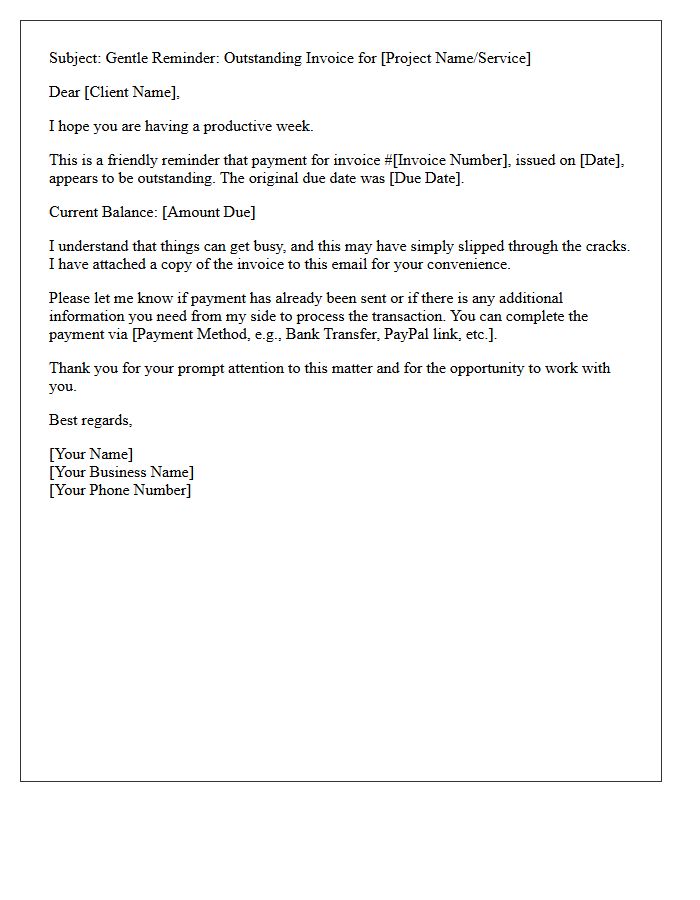
A gentle reminder letter is a professional approach to recovering overdue payments while maintaining positive business relationships. Focus on a polite tone to avoid unnecessary friction. Clearly state the original invoice number, amount due, and the services provided. Include multiple payment options and a direct contact person for billing inquiries. Promptly sending this notice helps resolve cash flow delays caused by simple administrative oversight. Always attach a copy of the outstanding invoice to facilitate immediate processing and ensure your contractor services are compensated fairly without resorting to legal escalations.
First Notice Letter Regarding Outstanding Contractor Invoice
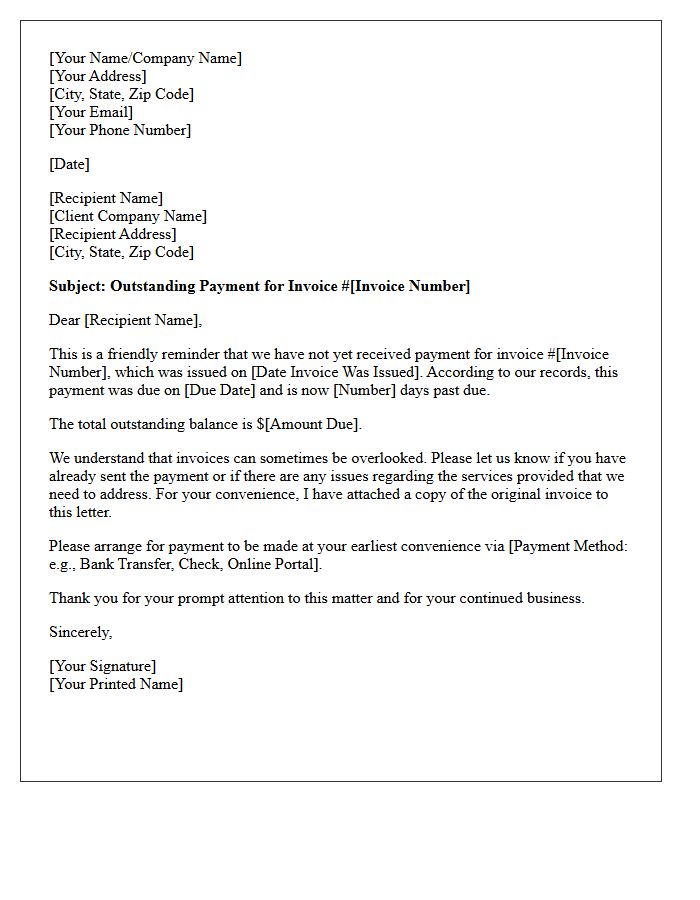
A First Notice Letter serves as a professional reminder to clients regarding an unpaid contractor invoice that has surpassed its due date. This formal communication confirms the outstanding balance, specifies the original payment terms, and includes a copy of the invoice to prevent administrative excuses. Its primary goal is to maintain a positive business relationship while ensuring steady cash flow. Sending this initial notification promptly establishes a clear paper trail, which is essential if further legal collection actions or late fee penalties become necessary to resolve the debt.
Polite Follow-Up Letter for Past Due Contracting Fees
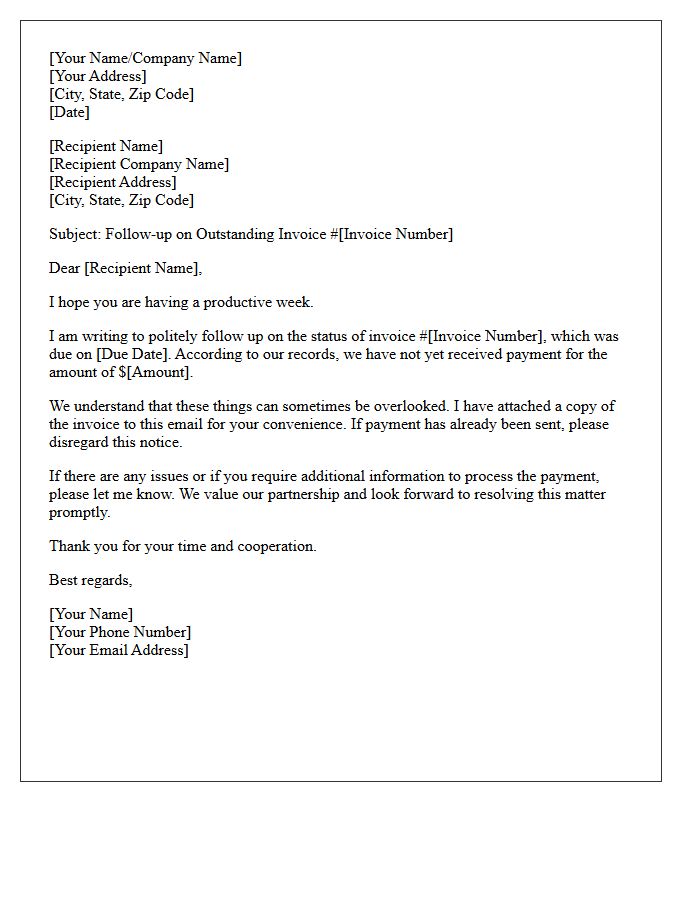
A polite follow-up letter for past due contracting fees is essential for maintaining professional relationships while ensuring cash flow. The message should clearly reference the invoice number, outstanding balance, and original due date. Use a professional, non-confrontational tone to request a payment status update, as delays are often due to simple administrative oversight. Attaching a copy of the original invoice simplifies the process for the client. Prompt communication demonstrates financial diligence and sets clear expectations for future contract compliance and timely remuneration.
Friendly Inquiry Letter for Unpaid Construction Invoice
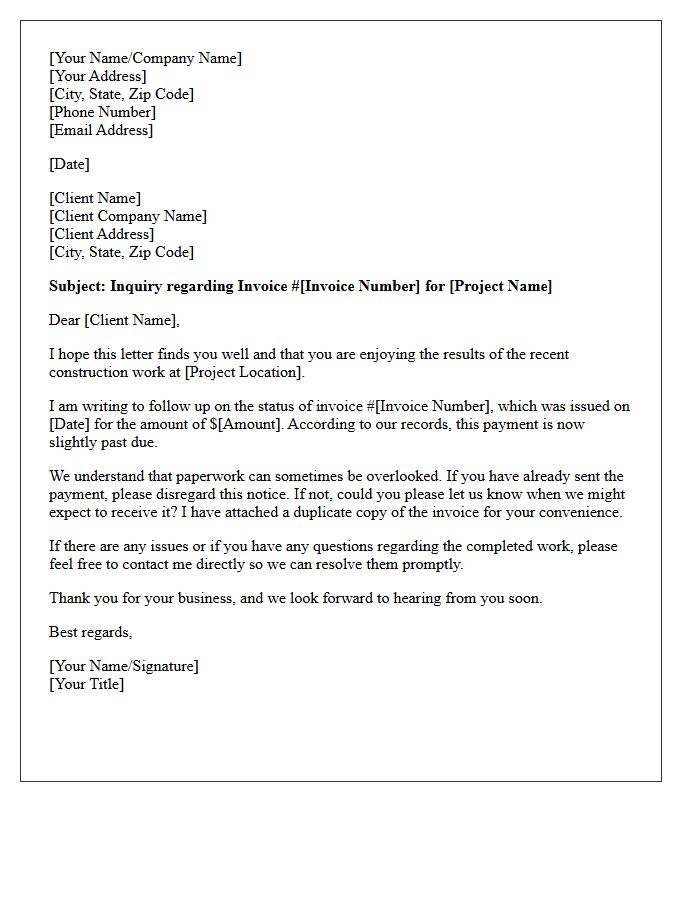
A friendly inquiry letter is a professional tool used to resolve overdue construction payments while maintaining positive client relationships. This initial communication serves as a gentle reminder that an invoice remains unpaid, often due to administrative oversight rather than bad intent. Clearly state the project details, amount due, and the original deadline to ensure clarity. By using a polite tone, you encourage immediate action and open communication channels, helping to secure your cash flow without the need for formal legal escalation or damaging future collaboration opportunities.
Initial Collection Letter for Completed Contractor Work
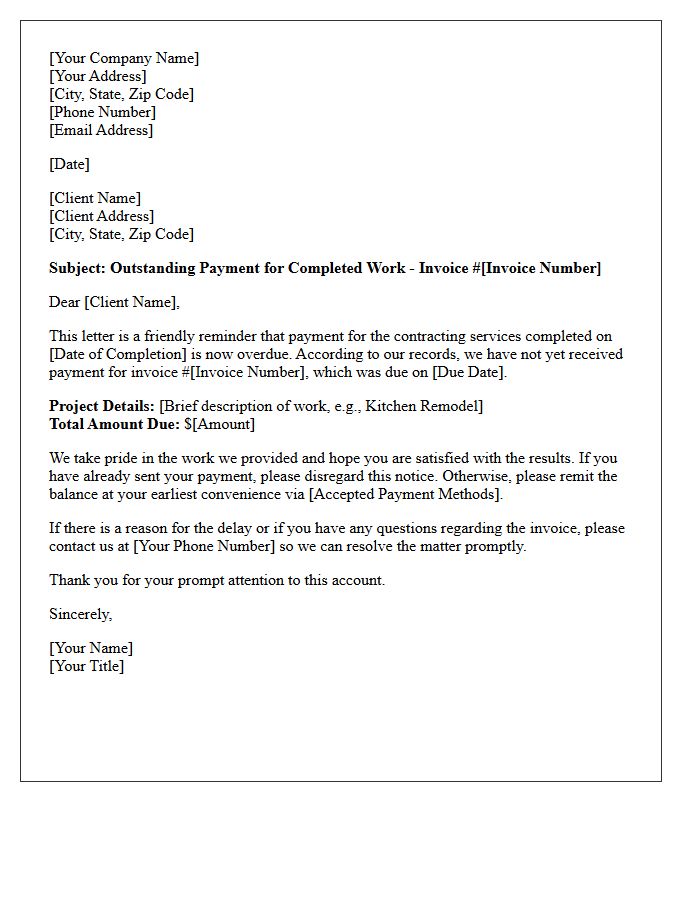
An Initial Collection Letter is a formal notice sent to clients who have failed to pay for completed contractor work. This document serves as a professional reminder of the outstanding balance, specifying the original invoice date and the exact amount due. To ensure legal protection, clearly state the payment deadline and accepted methods. Maintaining a polite yet firm tone helps preserve the business relationship while establishing a written paper trail. This initial step is crucial for debt recovery before escalating to formal legal action or hiring a collection agency.
Soft Reminder Letter Regarding Your Contractor Balance
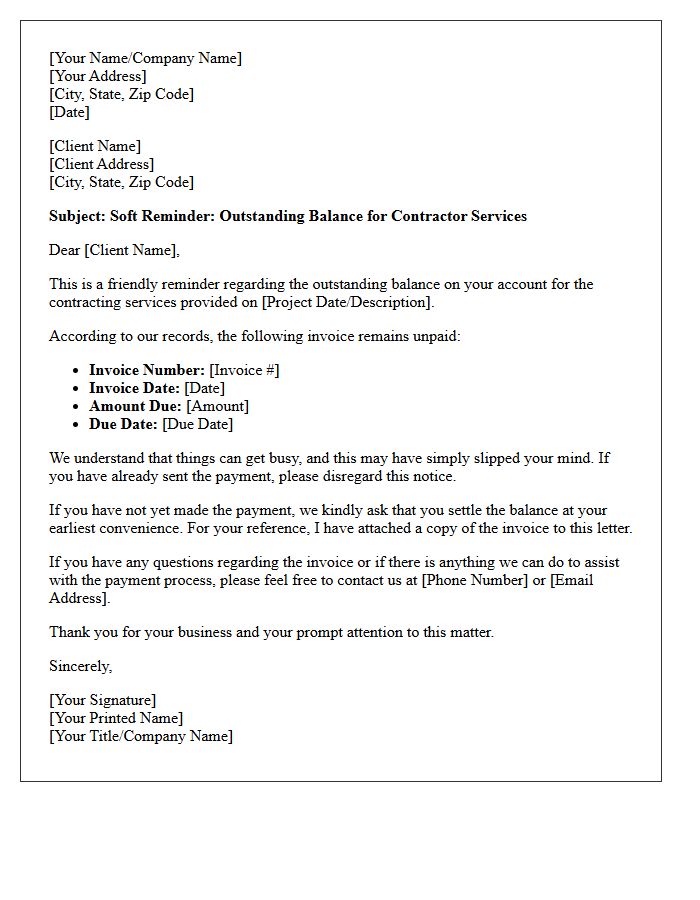
A soft reminder letter is a professional way to address outstanding contractor balances without damaging business relationships. It serves as a friendly notification to verify if an invoice was overlooked or delayed by administrative errors. Clearly state the invoice number, total amount due, and original deadline to ensure clarity. Providing convenient payment links or bank details encourages immediate settlement. Maintaining a polite tone helps secure your cash flow while preserving mutual trust and professional rapport for future collaborative projects.
Courtesy Notice Letter for Overdue Contractor Payment
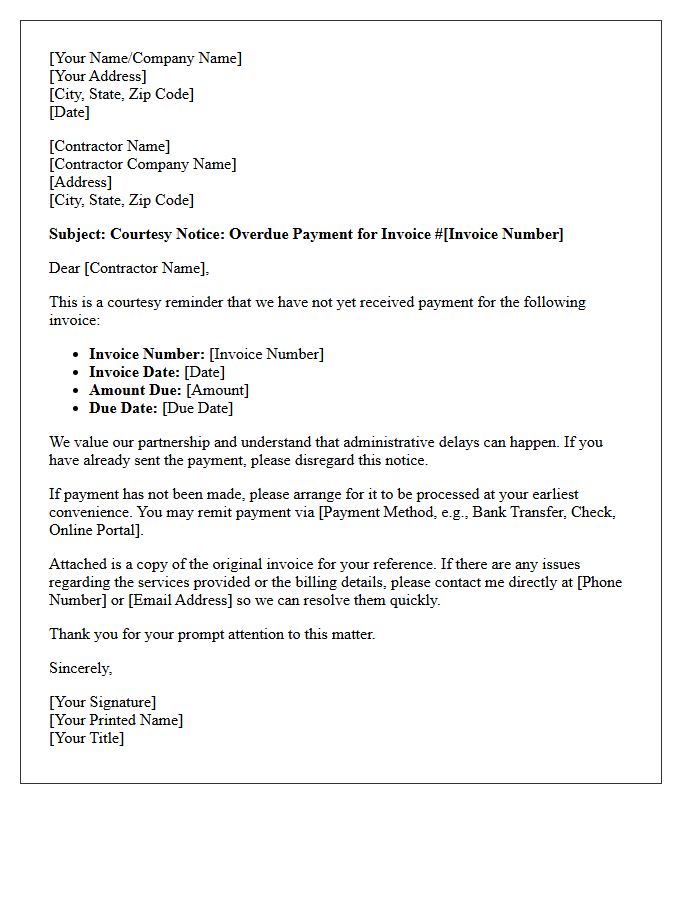
A Courtesy Notice Letter serves as a professional reminder to clients regarding an overdue contractor payment. This formal communication encourages immediate settlement while maintaining a positive business relationship. It should clearly state the outstanding balance, invoice number, and original due date. By using a polite yet firm tone, you prioritize debt recovery without escalating to legal action prematurely. Sending this notice early helps improve cash flow management and ensures that payment delays are documented, providing essential evidence if further collection efforts or late fees become necessary.
Gentle Payment Request Letter for Contracting Services
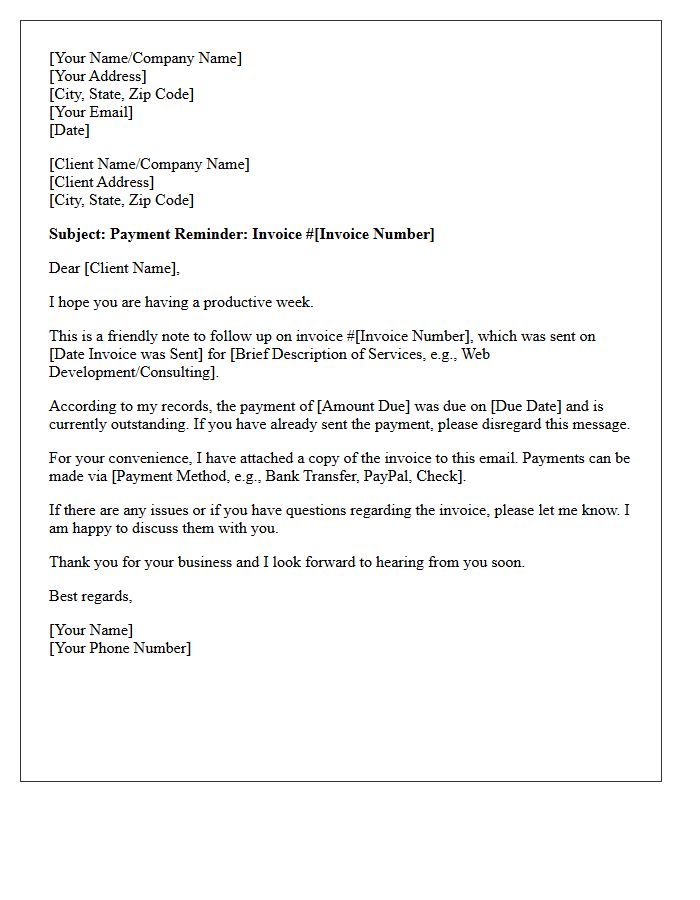
A professional Gentle Payment Request Letter serves as a polite reminder to clients regarding outstanding invoices for contracting services. To maintain a positive business relationship, the message should remain friendly yet clear, referencing the specific invoice number, total amount due, and the original deadline. Providing convenient payment links or electronic transfer details can expedite the process. This initial communication assumes the delay is an oversight, ensuring client retention while effectively managing your cash flow and project accounts without causing unnecessary friction or professional tension.
Account Status Letter for Unsettled Contractor Invoice
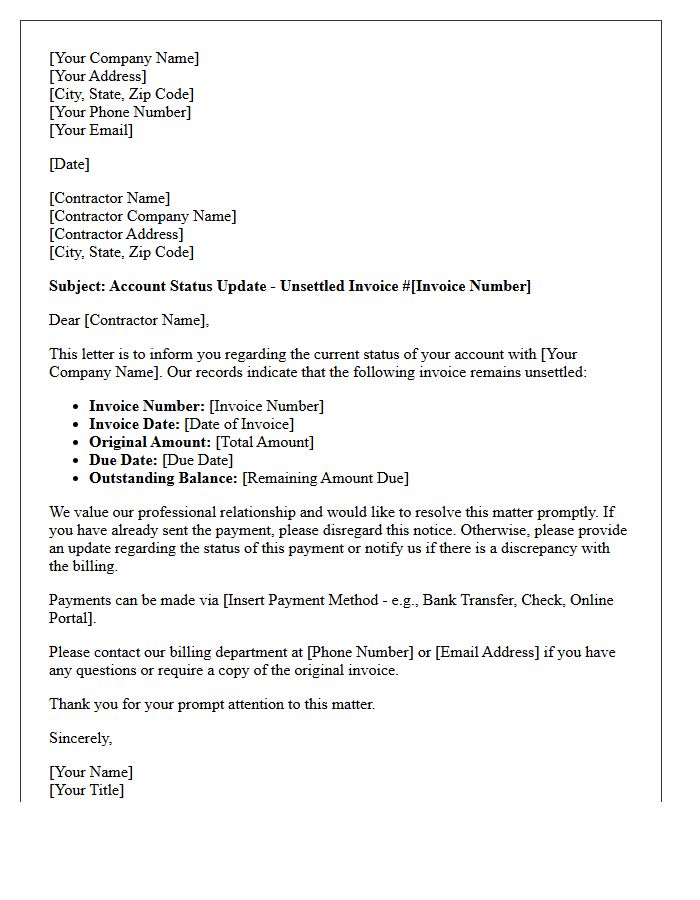
An Account Status Letter serves as a formal notification regarding an unsettled contractor invoice. This document clarifies the current financial standing, detailing outstanding balances and payment deadlines. It acts as critical evidence for accounts receivable management and potential legal recovery. Issuing this letter helps resolve payment discrepancies and ensures transparent communication between the client and the contractor. Monitoring these statuses is vital for maintaining healthy cash flow and professional business relationships while preventing long-term delinquency issues.
First Reminder Letter for Pending Contractor Balance
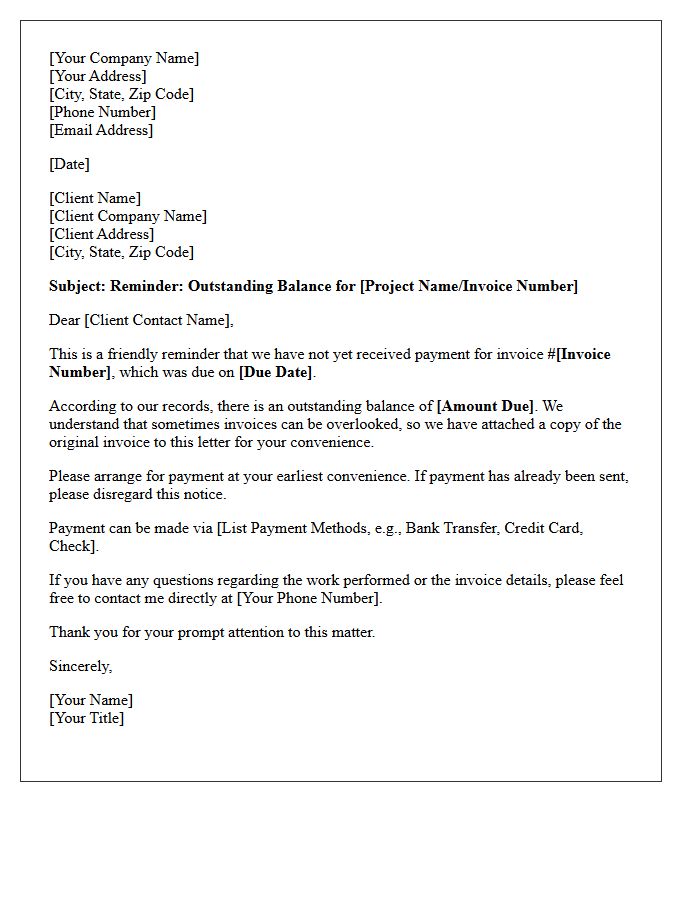
A first reminder letter is a professional notice sent to a client to address an overdue contractor balance. Its primary purpose is to request immediate payment while maintaining a positive business relationship. The document should clearly state the invoice number, the exact amount owed, and the original due date. By acting as a polite nudge, it encourages account settlement without escalating to legal action. Ensuring clear communication at this stage is essential for effective debt recovery and managing healthy company cash flow.
Friendly Check-In Letter for Past Due Contractor Bill
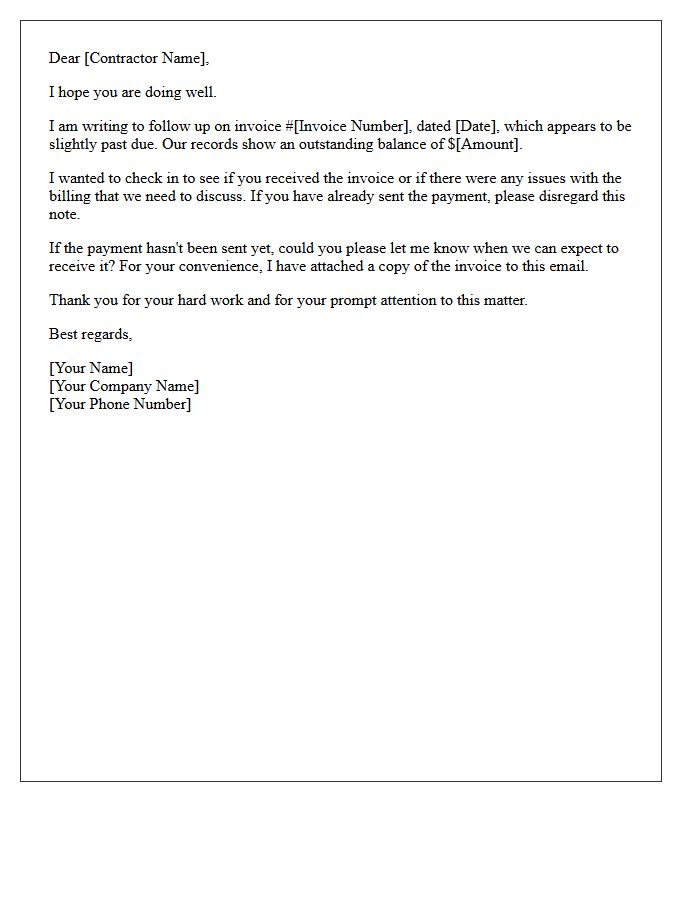
Maintaining a professional relationship while seeking payment requires a friendly check-in letter to address a past due contractor bill. Start with a polite tone, assuming the oversight was accidental rather than intentional. Clearly state the outstanding balance, invoice number, and original due date to avoid confusion. Attach a copy of the bill for convenience and offer flexible payment options if needed. This approach preserves the working partnership while firmly ensuring you receive compensation for your services. Prompt communication often resolves delinquent accounts without the need for escalated legal action or formal collection procedures.
Gentle Debt Collection Letter for Contractor Invoice
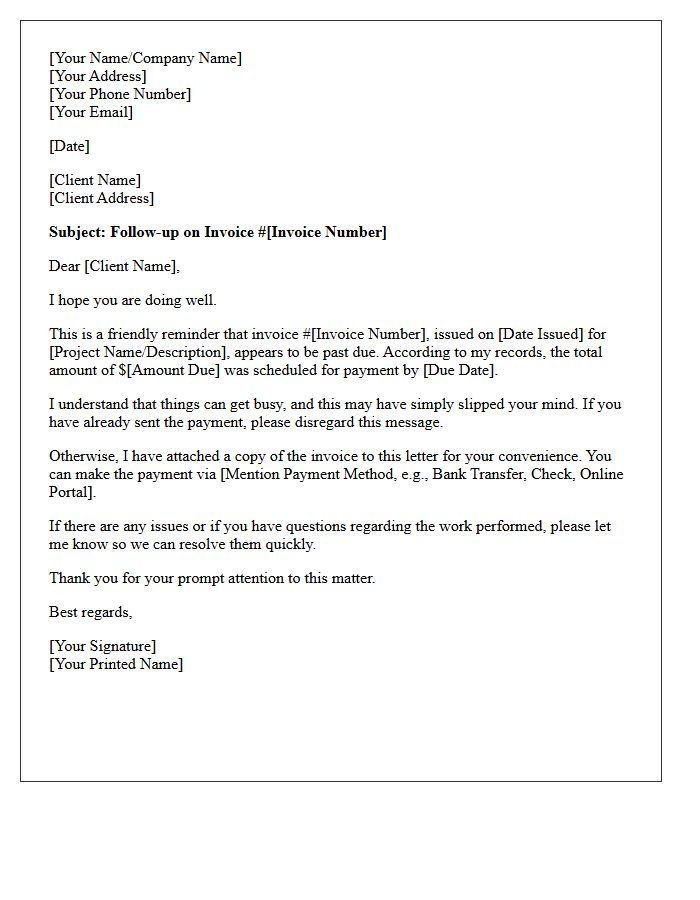
A gentle debt collection letter maintains a professional relationship while securing payment. For contractors, the first notice should assume a simple oversight rather than intentional non-payment. Clearly state the invoice number, total amount due, and provide a direct link or method for payment. By using a polite tone, you encourage open communication and resolve potential billing disputes quickly. This approach preserves your reputation and ensures future collaboration, framing the message as a friendly reminder to settle the outstanding balance before formal escalations become necessary.
When is the best time to send a gentle follow-up for an unpaid invoice?
The best time to send a gentle follow-up is one to three days after the invoice due date has passed. This timeline ensures the project is still fresh in the client's mind while remaining professional and non-aggressive.
How do I write a polite follow-up email for an overdue payment?
A polite follow-up should be concise and assume positive intent. Start by confirming the client is satisfied with the work, attach a copy of the original invoice, and ask if there are any administrative hurdles or missing information preventing the payment from being processed.
What should I include in a professional payment reminder?
Your reminder should include the invoice number, the total amount due, the original due date, and a direct link or attachment to the invoice. Mentioning specific payment methods or a "Pay Now" button can also help expedite the transaction.
What do I do if a client ignores my first follow-up email?
If the first email goes unanswered, wait three to five business days and send a second reminder. In this second outreach, it is appropriate to be more direct and ask for a specific date when you can expect the funds to be transferred.
How can I prevent late payments on contractor invoices in the future?
To prevent late payments, implement clear payment terms in your contract, such as "Net 15" or "Due on Receipt." You can also offer multiple payment options, set up automated reminders through accounting software, or request a percentage of the fee as an upfront deposit.

Comments