
A Residential Tenant Late Rent Initial Demand Letter serves as a formal notification to tenants regarding overdue payments. It professionally outlines the outstanding balance, specifies the grace period, and emphasizes legal obligations to encourage prompt resolution before further action. This initial step is vital for maintaining clear communication and proper documentation. Below are some ready to use templates.
Image cover: Late Rent Notice: Residential Tenant Demand Templates and Samples
Letter Samples List
- First Notice of Late Rent Demand Letter
- Residential Tenant Initial Debt Collection Letter
- Late Rent Balance Initial Demand Letter
- Primary Notice and Rent Demand Letter
- Tenant Overdue Rent Initial Collection Letter
- Residential Lease Past Due Balance Letter
- Initial Debt Recovery Demand Letter for Rent
- Late Residential Rent Payment Notice Letter
- First Warning Tenant Debt Collection Letter
- Outstanding Rent Balance Initial Demand Letter
- Residential Property Late Rent Warning Letter
- Initial Tenant Arrears Debt Collection Letter
First Notice of Late Rent Demand Letter
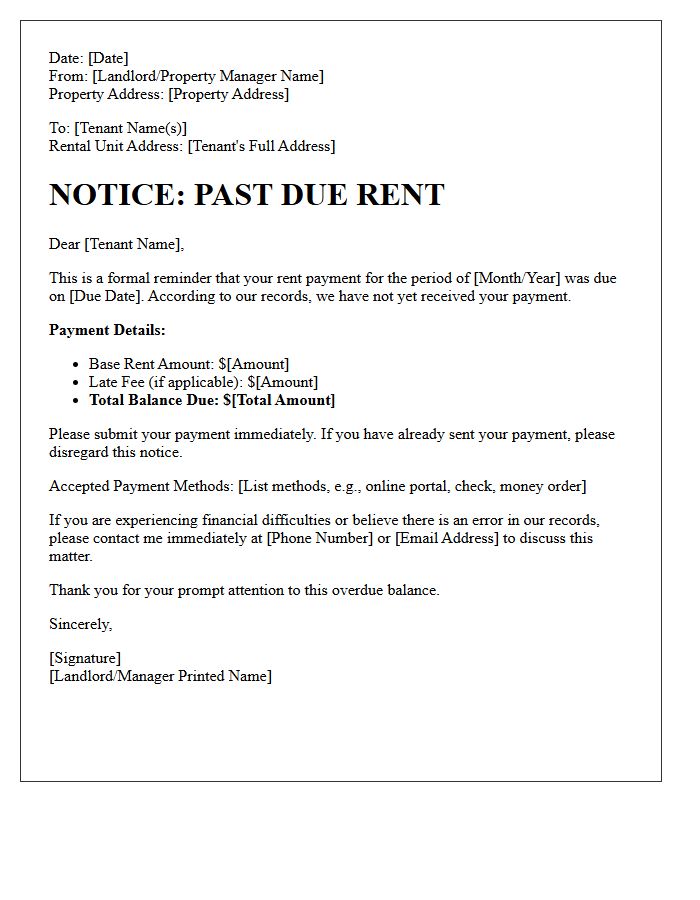
A First Notice of Late Rent Demand Letter serves as a formal legal notification to a tenant regarding overdue payments. It is the essential first step in the eviction process, establishing a written record of the breach of contract. This document must clearly state the exact amount owed, include any applicable late fees, and provide a specific deadline for payment to avoid further legal action. Sending this notice promptly protects the landlord's rights while offering the tenant a final opportunity to resolve the delinquency before formal court proceedings begin.
Residential Tenant Initial Debt Collection Letter
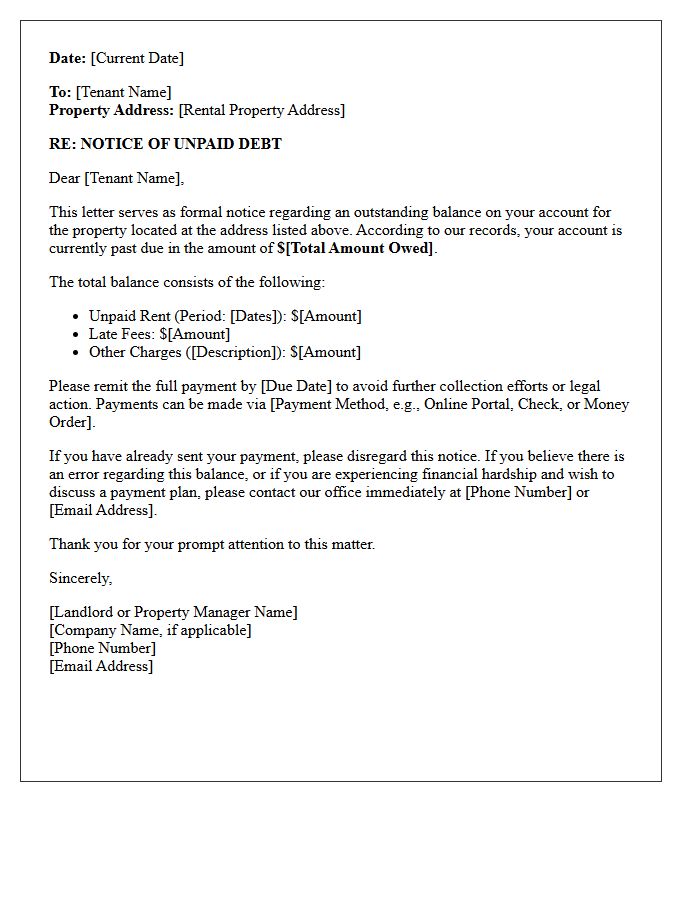
A Residential Tenant Initial Debt Collection Letter serves as a formal validation notice required by law. This document must clearly state the outstanding balance, the creditor's name, and the tenant's right to dispute the debt within thirty days. To ensure legal compliance, landlords or agencies must avoid harassment and follow the Fair Debt Collection Practices Act (FDCPA) guidelines. Sending this letter is the essential first step in recovering unpaid rent or damages while maintaining professional documentation for potential future legal proceedings or credit reporting actions.
Late Rent Balance Initial Demand Letter
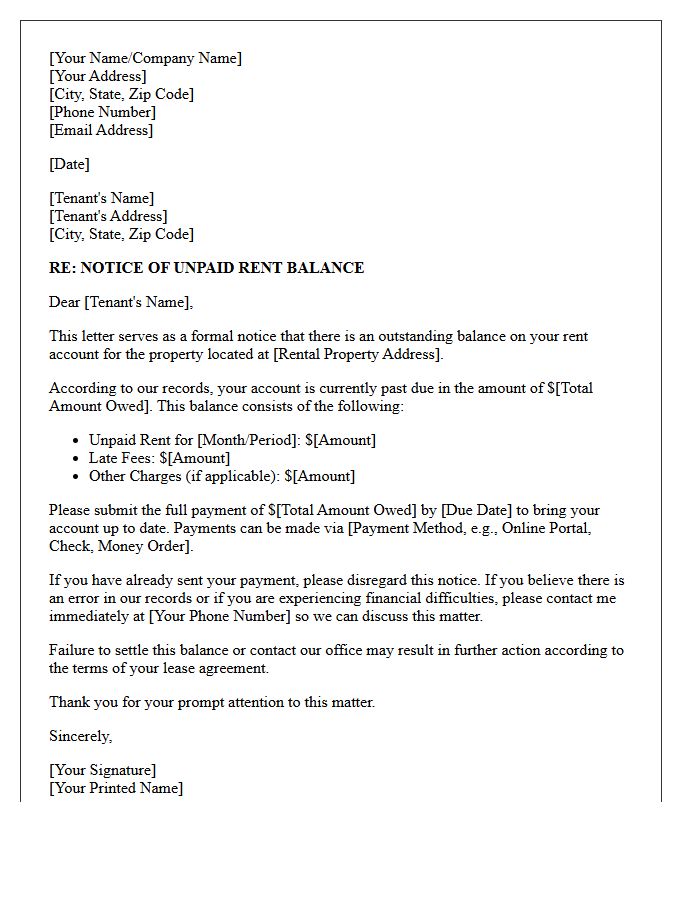
A Late Rent Balance Initial Demand Letter serves as a formal written notice sent by landlords to tenants regarding overdue payments. It is the crucial first step in the legal collection process, documenting the specific amount owed and establishing a clear deadline for payment. This professional communication aims to resolve rent arrears amicably while creating a necessary paper trail for future eviction proceedings if the debt remains unpaid. Clearly stating the consequences of non-payment helps protect the owner's legal rights and encourages immediate tenant compliance.
Primary Notice and Rent Demand Letter
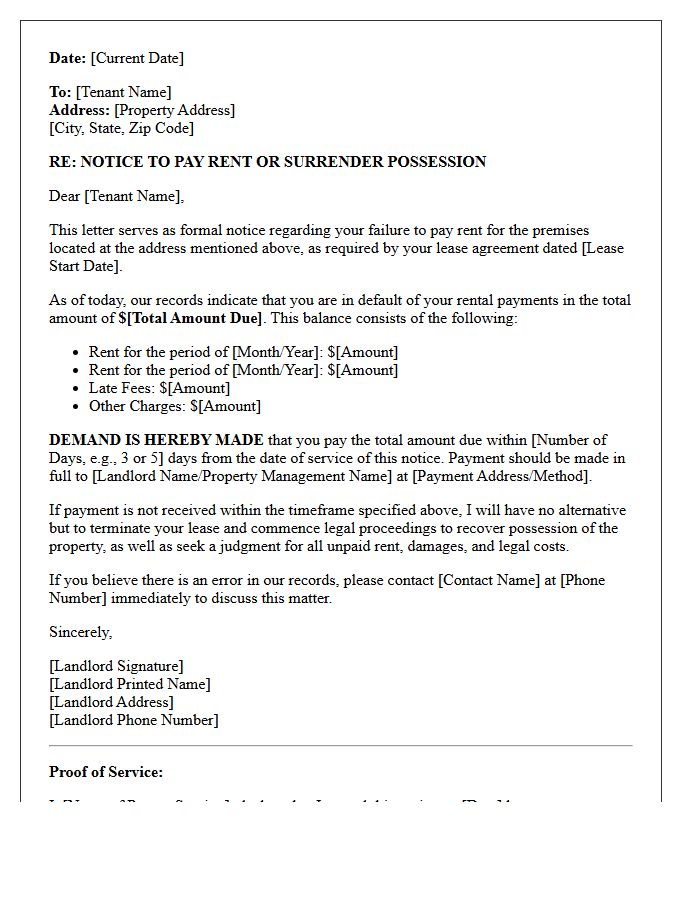
A Primary Notice and Rent Demand Letter are essential legal prerequisites for initiating an eviction. This formal document notifies a tenant of overdue rent and provides a specific deadline to pay the full balance or vacate the premises. Accuracy is vital; it must clearly state the exact amount owed and follow local housing laws to be valid in court. Serving this notice correctly ensures a landlord's right to pursue a summary proceeding if the tenant fails to comply with the legal demand within the required timeframe.
Tenant Overdue Rent Initial Collection Letter
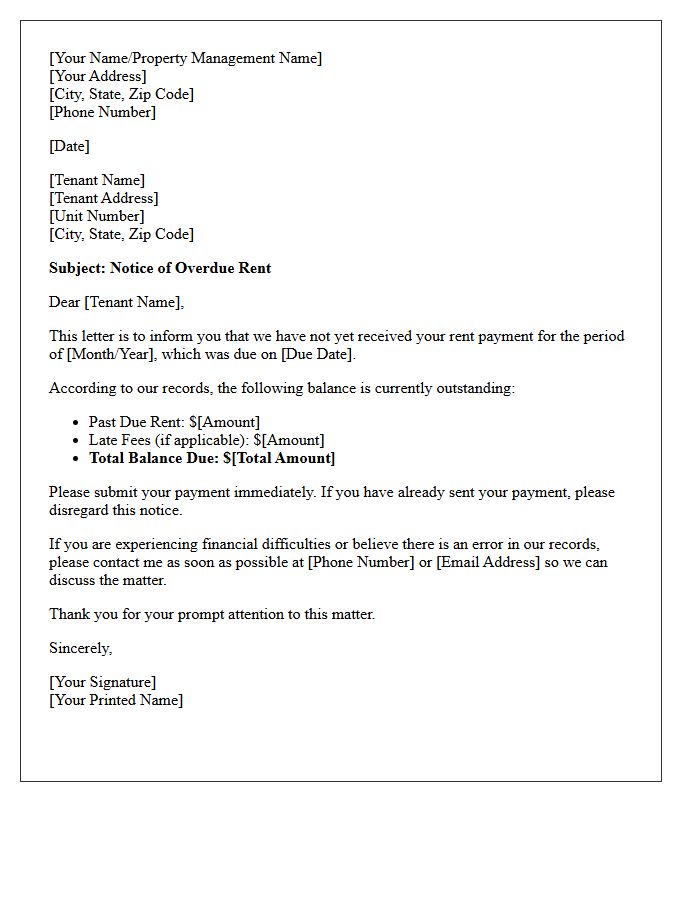
A Tenant Overdue Rent Initial Collection Letter serves as a formal notification when a lease payment is late. It is essential for maintaining a professional paper trail in case of future legal action or eviction proceedings. The document should clearly state the exact balance due, any applicable late fees, and a specific deadline for payment. By sending this notice promptly, landlords can encourage immediate resolution while demonstrating lease compliance. Clear communication at this stage often prevents minor payment delays from escalating into long-term financial disputes or formal eviction cases.
Residential Lease Past Due Balance Letter
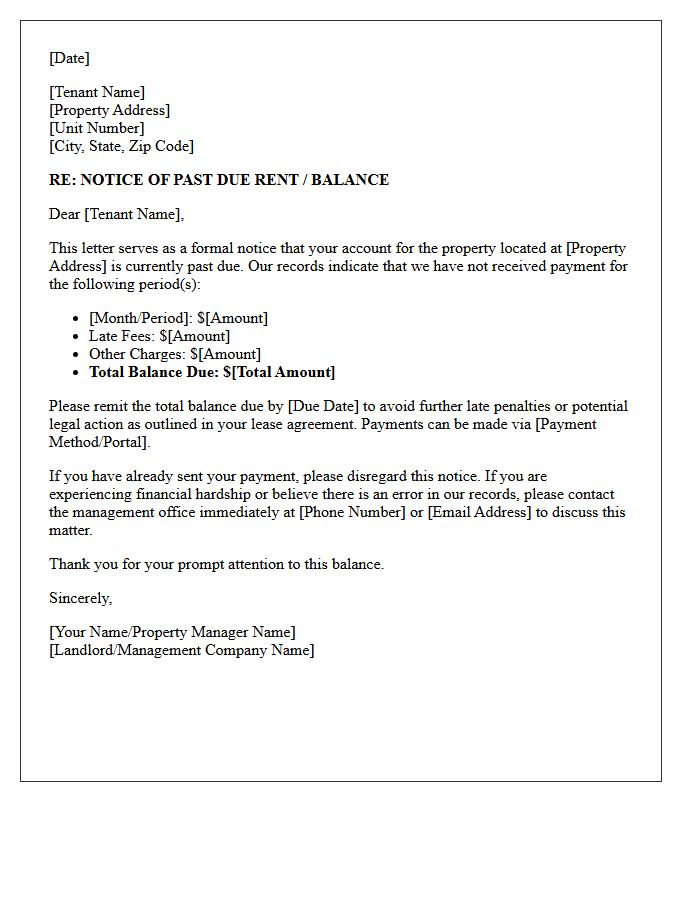
A Residential Lease Past Due Balance Letter is a formal notice sent by landlords to notify tenants of unpaid rent or outstanding fees. This written document serves as a legal record, detailing the specific amount owed, the original due date, and a deadline for payment. It is a critical first step in the debt collection process and provides clear communication to resolve financial discrepancies before escalating to eviction proceedings. Promptly addressing a delinquency helps maintain professional relationships and ensures compliance with local housing regulations and lease terms.
Initial Debt Recovery Demand Letter for Rent
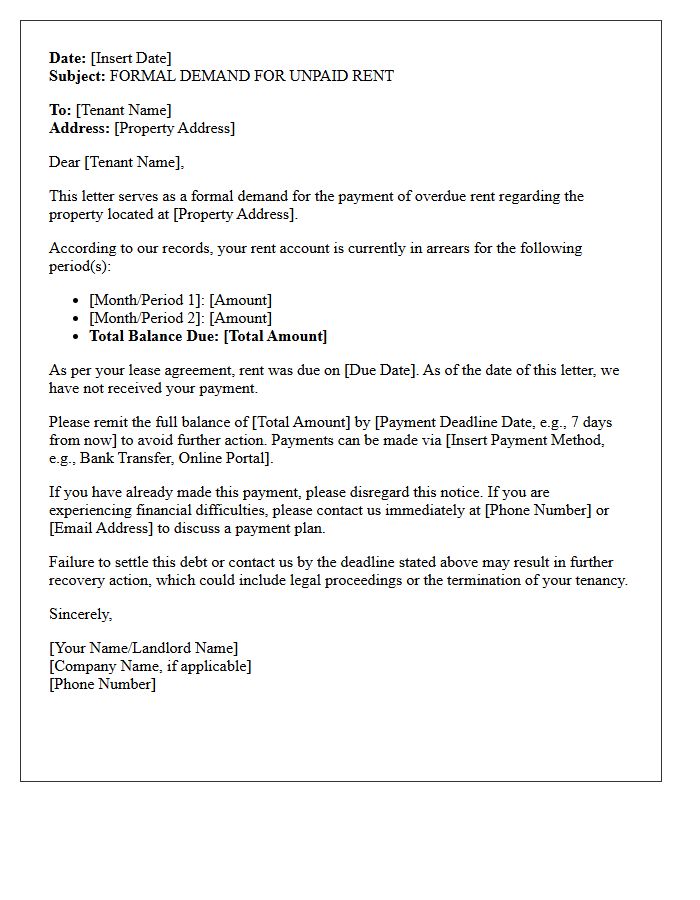
An initial debt recovery demand letter for rent is a formal notice sent to a tenant regarding overdue lease payments. This notice to pay serves as a professional attempt to resolve the balance before pursuing legal eviction or collection agencies. It must clearly state the exact amount owed, the original due date, and a specific deadline for payment. Providing clear payment instructions and documentation of the lease agreement helps ensure legal compliance. This document is a critical first step in protecting a landlord's financial interests while maintaining a written record for potential court proceedings.
Late Residential Rent Payment Notice Letter
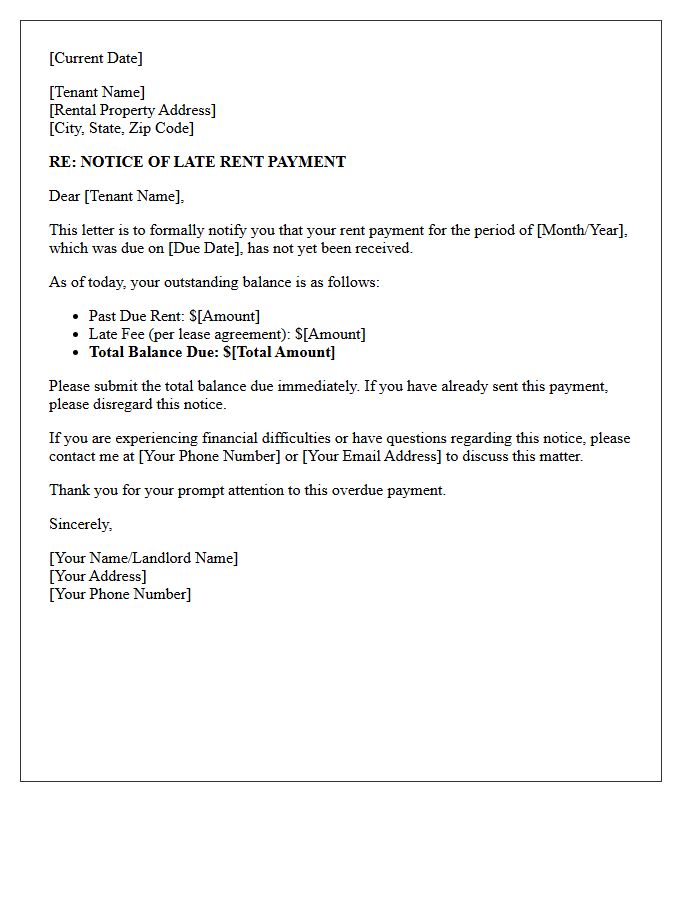
A Late Residential Rent Payment Notice serves as a formal written demand for overdue funds. It is a critical legal document that establishes a paper trail, clearly outlining the delinquent balance, applicable late fees, and a specific deadline for payment. Issuing this notice is the essential first step in the eviction process, ensuring compliance with local landlord-tenant laws. By professionally notifying the tenant, you provide an opportunity to resolve the lease violation before pursuing further legal action or court proceedings to regain possession of the property.
First Warning Tenant Debt Collection Letter
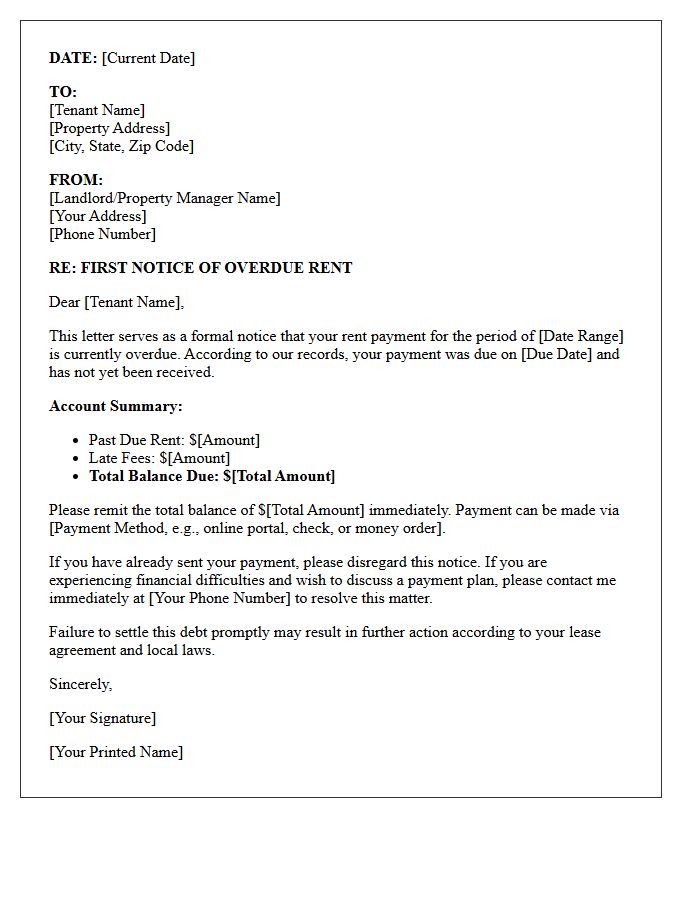
A First Warning Tenant Debt Collection Letter serves as a formal notice regarding unpaid rent or fees. This document is a critical step in the eviction process and legal recovery of funds. It must clearly state the exact amount owed, the original due date, and a specific deadline for payment to avoid further action. Providing accurate documentation ensures compliance with local housing laws while maintaining a professional record. Sending this notice promptly encourages communication and can often resolve financial disputes before escalating to costly court proceedings or credit reporting agencies.
Outstanding Rent Balance Initial Demand Letter
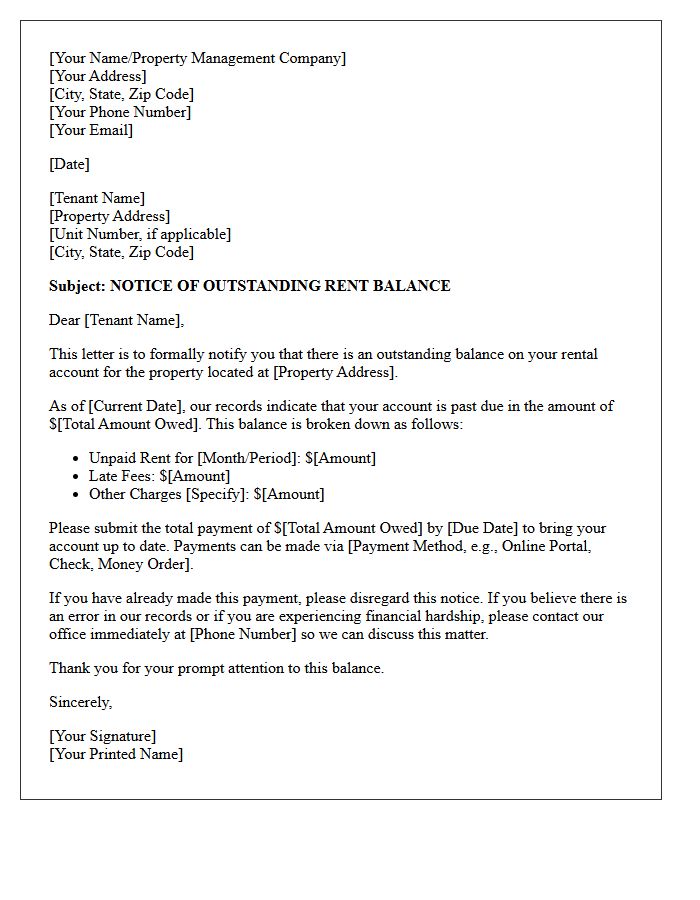
An Outstanding Rent Balance Initial Demand Letter serves as a formal notice to tenants regarding unpaid arrears. This critical document initiates the legal process for debt recovery and potential eviction. It must clearly state the exact amount owed, a specific deadline for payment, and acceptable methods of restitution. Using this letter establishes a paper trail, demonstrating the landlord's attempt to resolve the issue before escalating to court. Ensuring accuracy in dates and figures is essential to maintain legal compliance and protect property owner rights during subsequent litigation or lease termination procedures.
Residential Property Late Rent Warning Letter
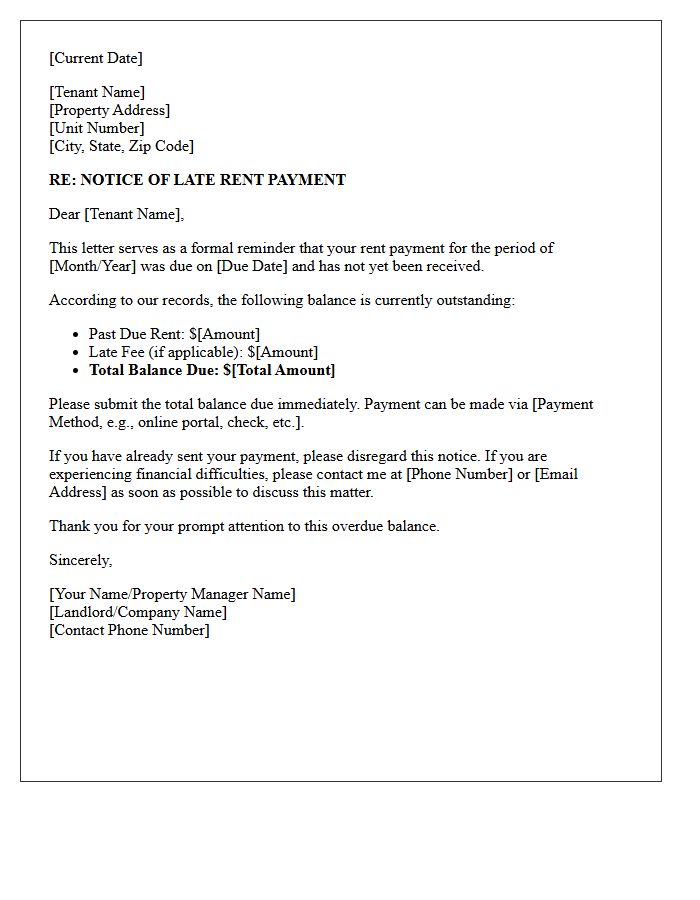
A Residential Property Late Rent Warning Letter is a formal notification sent to tenants who miss their payment deadline. This document serves as legal evidence of the breach of contract, which is crucial if future eviction proceedings become necessary. It should clearly state the outstanding balance, late fees incurred, and a specific deadline for rectification. Maintaining a professional tone helps preserve the landlord-tenant relationship while ensuring compliance with housing regulations. Timely communication is the most effective way to resolve payment delays and maintain consistent cash flow for property owners.
Initial Tenant Arrears Debt Collection Letter
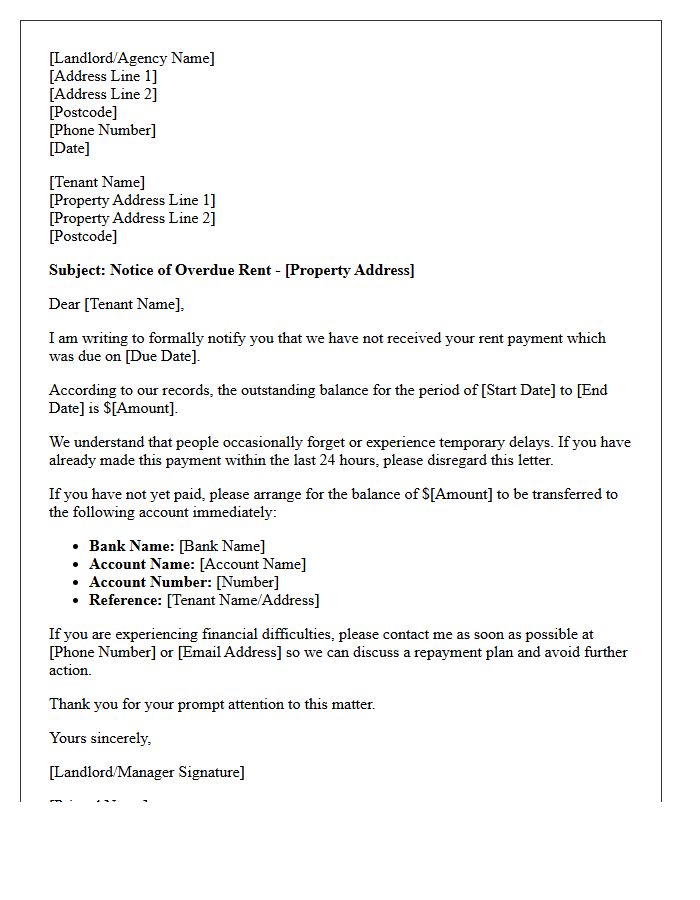
An Initial Tenant Arrears Debt Collection Letter serves as a formal notification sent immediately after a payment deadline is missed. This document professionally outlines the outstanding balance, specifies the original due date, and provides clear instructions for immediate settlement to prevent further escalation. It functions as a critical legal record, establishing a transparent paper trail for potential future court action or eviction proceedings. Maintaining a firm yet polite tone encourages swift resolution while ensuring compliance with fair debt collection practices and local housing regulations to protect the landlord's contractual rights.
What is a Residential Tenant Late Rent Initial Demand Letter?
A Residential Tenant Late Rent Initial Demand Letter is a formal written notice sent by a landlord to a tenant as soon as the rent payment becomes overdue. It serves as an official reminder that rent is late, specifies the total amount owed including any applicable late fees, and requests immediate payment to avoid further legal action or eviction proceedings.
When should a landlord send an initial demand letter for late rent?
Landlords should typically send this letter one day after the grace period specified in the lease agreement has expired. While laws vary by jurisdiction, sending a demand letter immediately establishes a paper trail of the landlord's attempts to collect rent and ensures compliance with state-specific notice requirements before proceeding with an eviction.
What essential information must be included in a late rent demand letter?
The letter must include the date of the notice, the tenant's full name and address, the specific rental period for which payment is missing, the exact breakdown of the base rent plus late fees, the deadline for payment, and the acceptable methods of payment. It should also clearly state the consequences of failing to pay, such as the commencement of the eviction process.
Can a landlord charge late fees in the initial demand letter?
A landlord can only charge late fees if they are explicitly outlined in the signed lease agreement and comply with local and state rent control or consumer protection laws. The demand letter should clearly distinguish between the unpaid base rent and the accumulated late fees to provide the tenant with a transparent accounting of the debt.
Does an initial demand letter serve as a formal eviction notice?
In many jurisdictions, a formal demand letter (often called a "Notice to Pay Rent or Quit") is the first legal step in the eviction process. However, it is not an eviction order. It provides the tenant a specific window of time-usually 3 to 14 days depending on local law-to resolve the balance before the landlord is legally permitted to file an eviction lawsuit in court.


Comments