
Managing late payments is critical for maintaining healthy cash flow. Sending a Wholesale Vendor Unpaid Supply Invoice First Notice serves as a professional reminder to clients regarding overdue balances. This initial communication helps resolve billing oversights while preserving valuable business relationships. Clear documentation ensures timely reconciliation and avoids supply chain disruptions. Below are some ready to use templates.

Image cover: Friendly Reminder: First Notice Templates for Unpaid Wholesale Invoices
Letter Samples List
- Collection Agency Header and Contact Information
- Letter Issuance Date
- Debtor Business Name and Mailing Address
- First Notice Supply Invoice Letter Subject Line
- Formal Business Salutation
- Initial Notice of Unpaid Wholesale Account Statement
- Itemized Past Due Supply Invoice Details
- Total Outstanding Balance Due
- Accepted Payment Methods and Remittance Instructions
- Specified Payment Grace Period and Deadline
- Debt Collection Letter Dispute Rights Notification
- Collection Agency Contact Information for Inquiries
- Professional Sign-Off and Agency Signature
- Mandatory Debt Collection Mini-Miranda Warning
Collection Agency Header and Contact Information
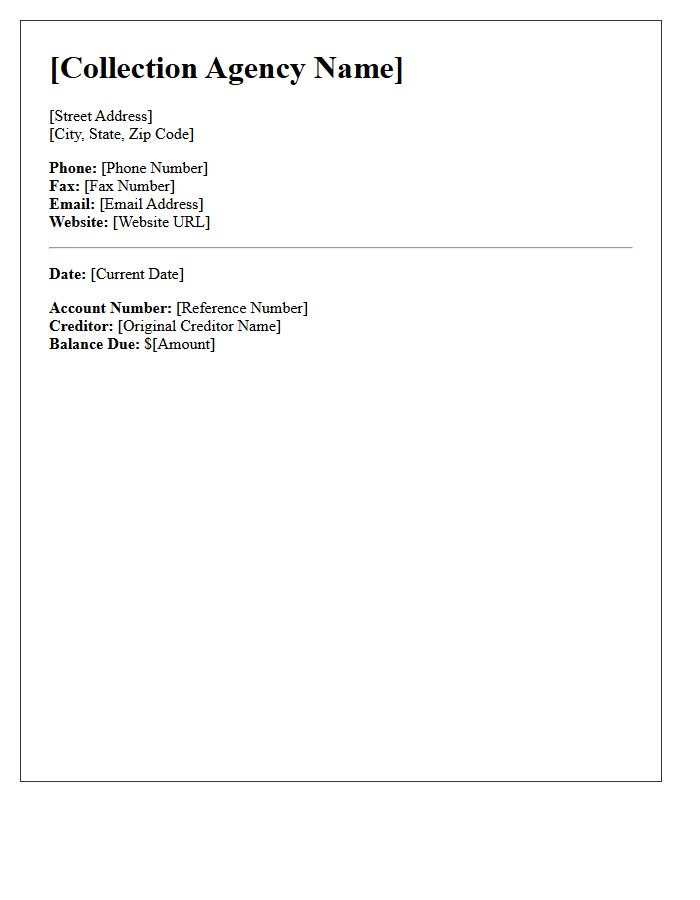
The Collection Agency Header must clearly display the agency's legal name, physical address, and phone number to ensure transparency. Under the Fair Debt Collection Practices Act (FDCPA), providing accurate contact information is a legal requirement to prevent deceptive practices. Consumers should verify these details to confirm the agency's legitimacy before discussing financial obligations. Including a specific reference or account number in the header helps streamline communication and ensures accurate record-keeping during the debt recovery process.
Letter Issuance Date
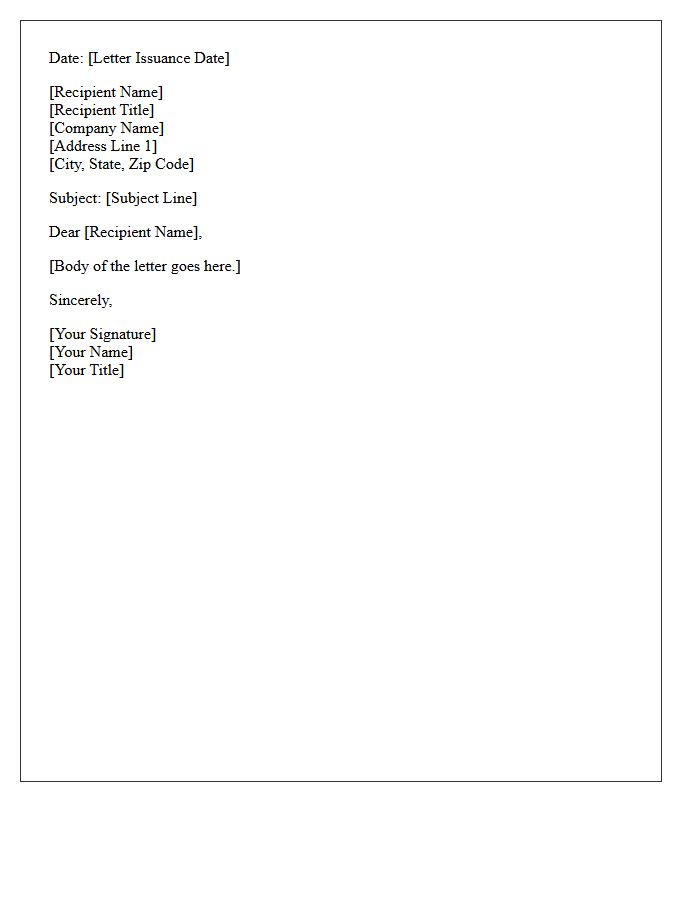
The Letter Issuance Date is the official calendar day a document is formally generated and dispatched by an organization. It serves as the primary reference point for calculating legal deadlines, expiration periods, and response timelines. Understanding this date is crucial because administrative actions or appeals are often measured from this specific moment rather than when the recipient opens the mail. Always verify this date to ensure compliance with time-sensitive requirements and to maintain accurate records for professional or legal accountability.
Debtor Business Name and Mailing Address
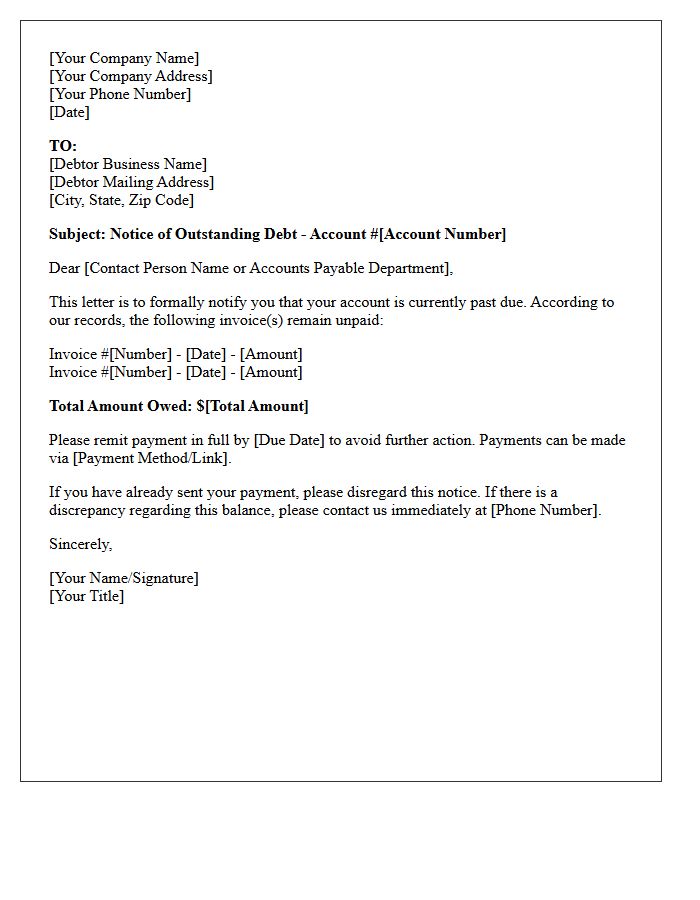
A Debtor Business Name must be listed with absolute precision, matching official government registration documents to ensure legal validity. In the context of UCC filings, even a minor spelling error can render a lien unperfected and seriously jeopardize a creditor's priority status. Additionally, providing a current Mailing Address is essential for delivering formal legal notices and verifying the entity's identity. Accuracy in these details is the cornerstone of enforceable credit agreements and effective debt collection processes.
First Notice Supply Invoice Letter Subject Line
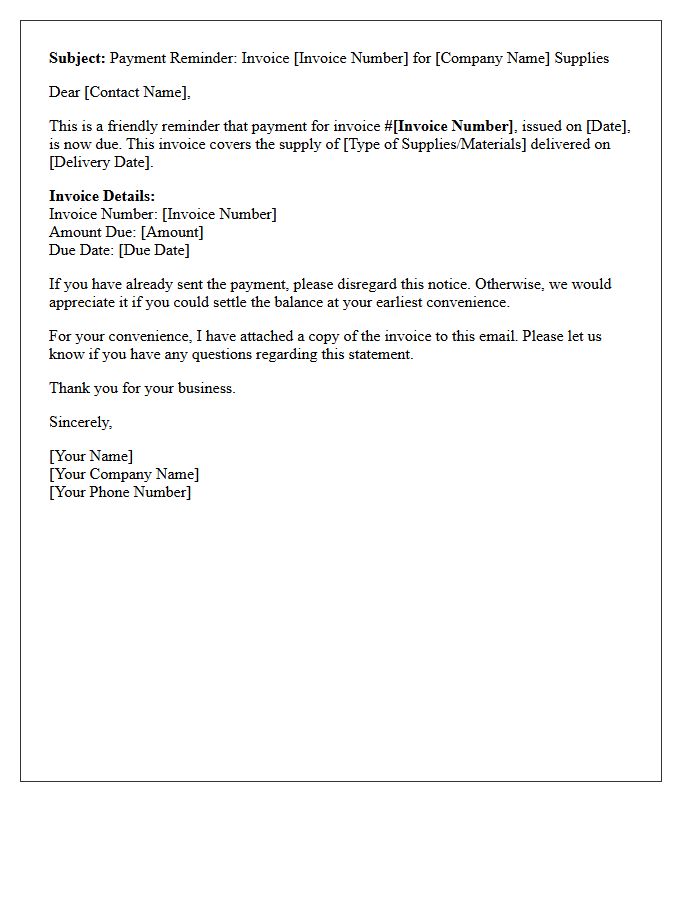
The subject line of a First Notice Supply Invoice Letter must prioritize clarity to ensure prompt payment. It should include the invoice number and your company name to avoid confusion with spam. Using terms like "Action Required" or "Payment Due" creates professional urgency, encouraging the recipient to open the email immediately. Keeping the text concise ensures it remains readable on mobile devices. A well-structured subject line reduces payment delays and improves cash flow management by making the correspondence easily searchable within a client's busy inbox.
Formal Business Salutation
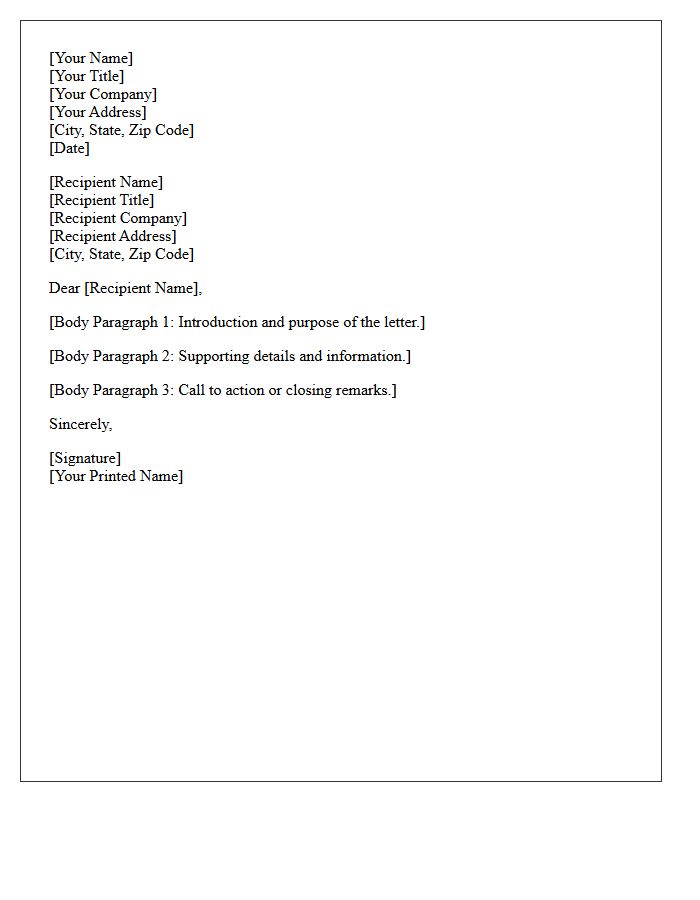
Using a formal business salutation is essential for maintaining professional etiquette and establishing credibility. When the recipient's name is known, always use "Dear" followed by their honorific and surname. If the contact is unknown, "Dear Hiring Manager" or "To Whom It May Concern" serves as a standard professional substitute. Avoid overly casual greetings like "Hey" to ensure a respectful tone. Proper punctuation, typically a colon in formal U.S. correspondence, signifies authority and attention to detail, ensuring your message is received with the appropriate level of seriousness.
Initial Notice of Unpaid Wholesale Account Statement
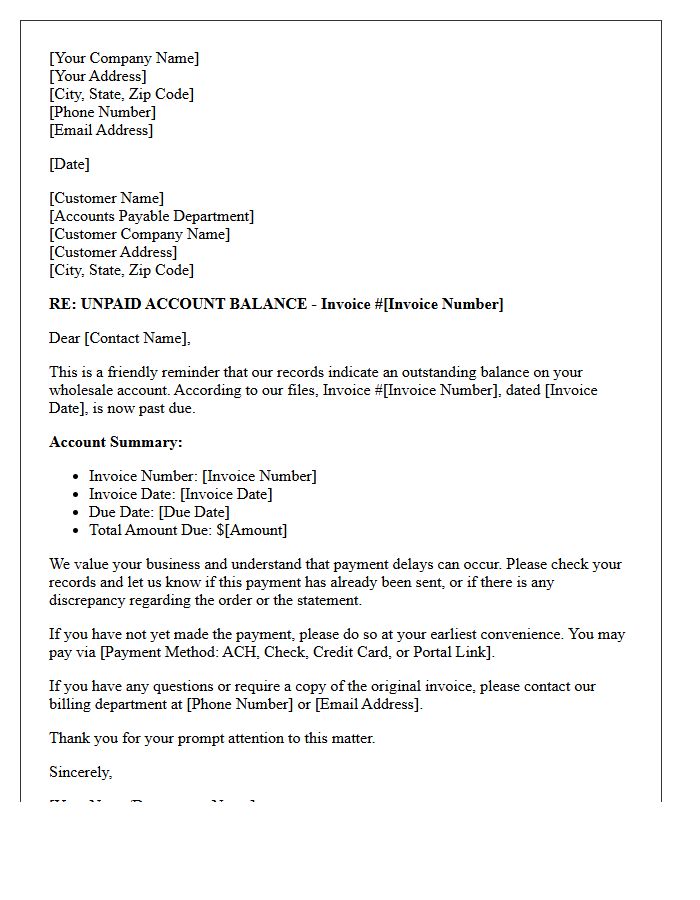
An Initial Notice of Unpaid Wholesale Account Statement is a formal demand for payment sent when a business-to-business debt becomes overdue. This document serves as a legal record, notifying the debtor of the outstanding balance, applicable interest, and the original invoice due date. Receiving this notice is a critical warning to settle the account immediately to avoid credit rating damage, service suspension, or escalation to collection agencies. Timely communication regarding payment discrepancies or cash flow issues is essential to maintain professional vendor relationships and prevent costly litigation.
Itemized Past Due Supply Invoice Details
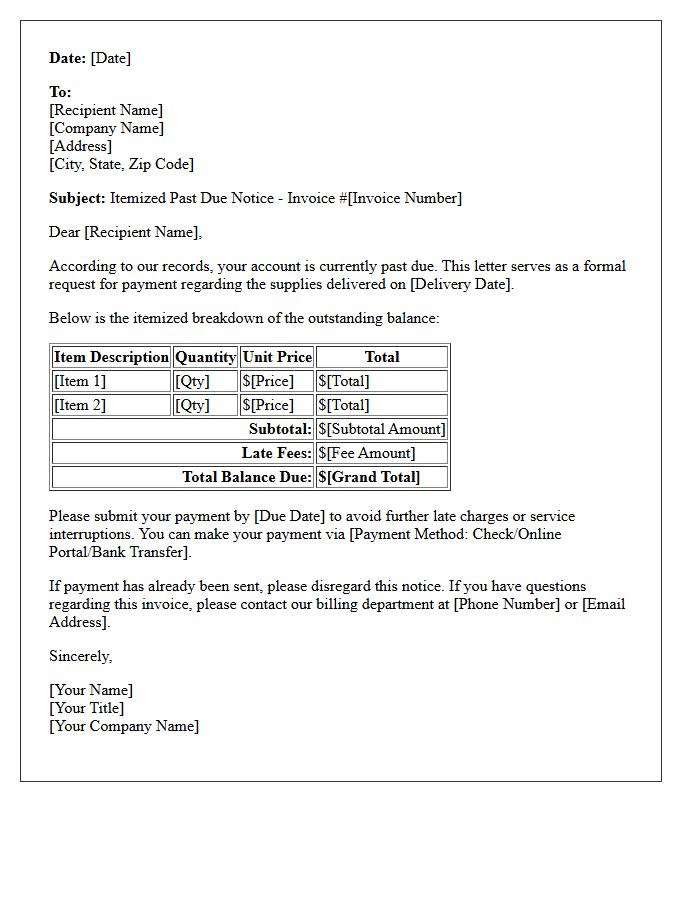
Tracking Itemized Past Due Supply Invoice Details is essential for maintaining healthy cash flow. These records specify individual late charges, quantities, and unit prices that remain unpaid beyond terms. Businesses must verify billing accuracy to avoid overpayment and resolve discrepancies with vendors. Monitoring specific line items helps identify which supplies are causing budget variances. Organized documentation ensures clear communication during collections and prevents service interruptions. Consistently reviewing these details allows for better financial forecasting and stronger supplier relationship management in competitive markets.
Total Outstanding Balance Due
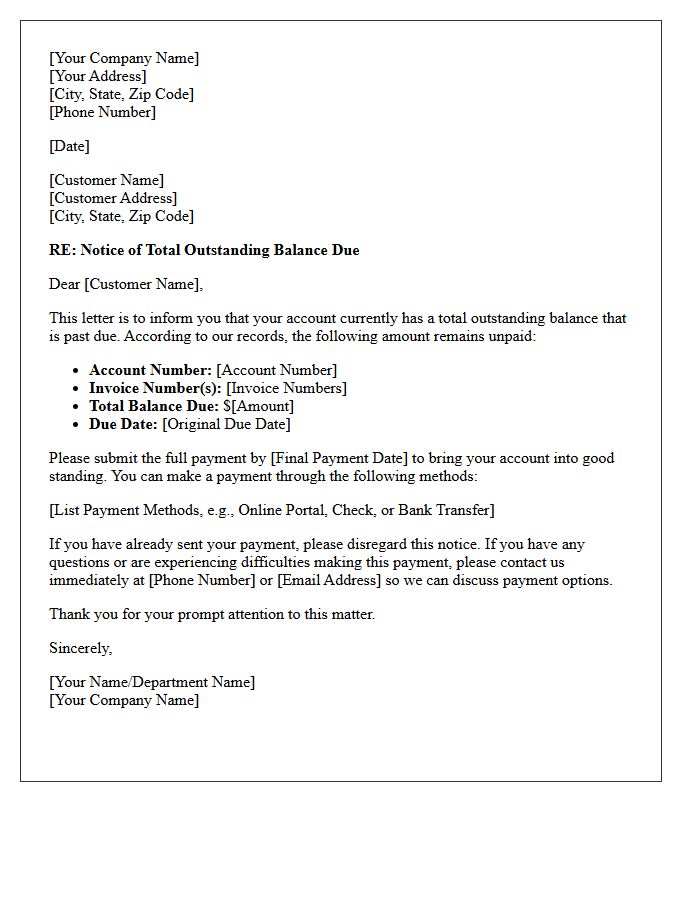
The Total Outstanding Balance Due represents the complete amount currently owed on an account, including principal, interest, and any accrued fees. Unlike a minimum payment, paying this full figure eliminates your debt and prevents further interest charges. It is the most accurate reflection of your financial obligation at a specific point in time. Monitoring this balance helps maintain a healthy credit score and ensures you avoid penalties associated with late or incomplete payments on loans or credit cards.
Accepted Payment Methods and Remittance Instructions
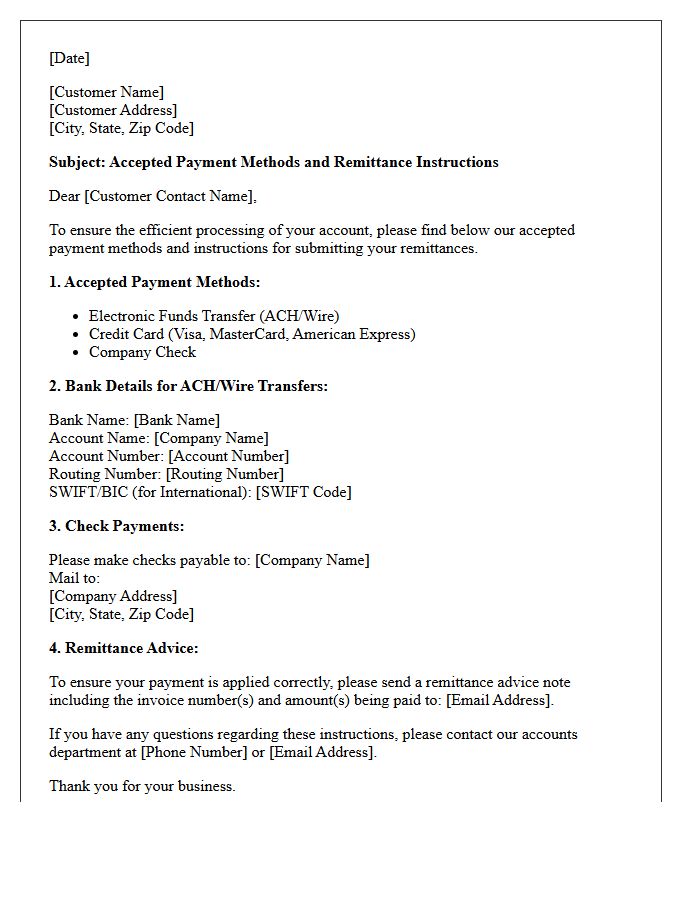
To ensure timely processing, please use accepted payment methods including credit cards, wire transfers, and electronic funds transfers (EFT). For international transactions, always include the SWIFT/BIC code and your specific invoice number as the primary remittance reference. Accurate remittance instructions are vital to prevent delays or misapplied funds. Confirm all banking details directly through our secure portal before initiating high-value transfers. Proper documentation ensures your account remains in good standing and provides a clear audit trail for both parties involved in the financial transaction.
Specified Payment Grace Period and Deadline
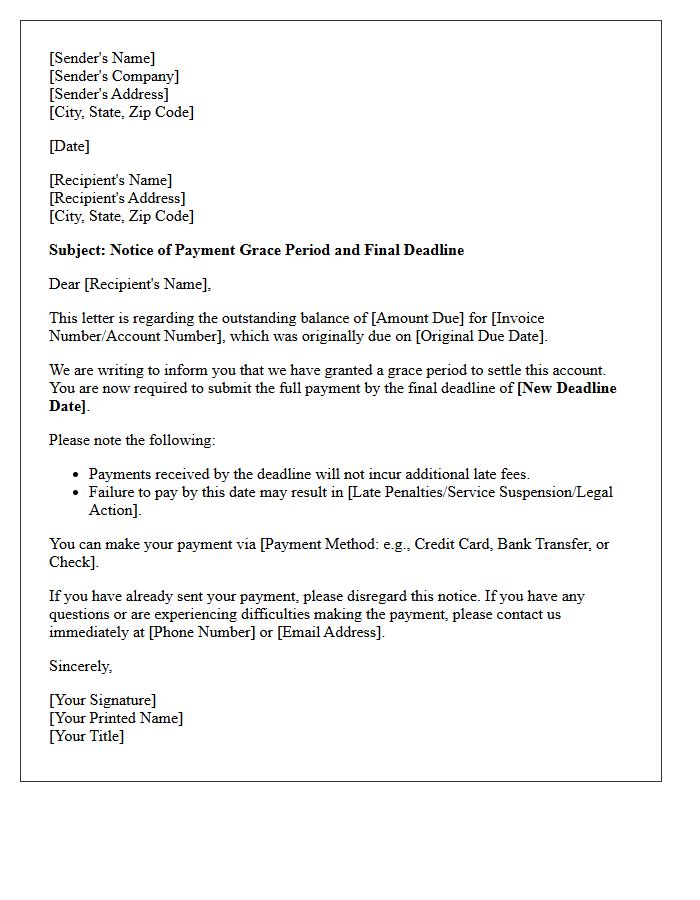
A grace period provides an essential timeframe after the official due date to submit funds without incurring penalties. Understanding your specific deadline is critical, as missing the cutoff can trigger late fees or service termination. Always verify if the window applies to the postmark date or the receipt of funds. Tracking these windows ensures financial stability and protects your credit score. Prioritizing timely payments remains the most effective strategy to maintain account compliance and avoid additional costs associated with delinquency or administrative charges.
Debt Collection Letter Dispute Rights Notification
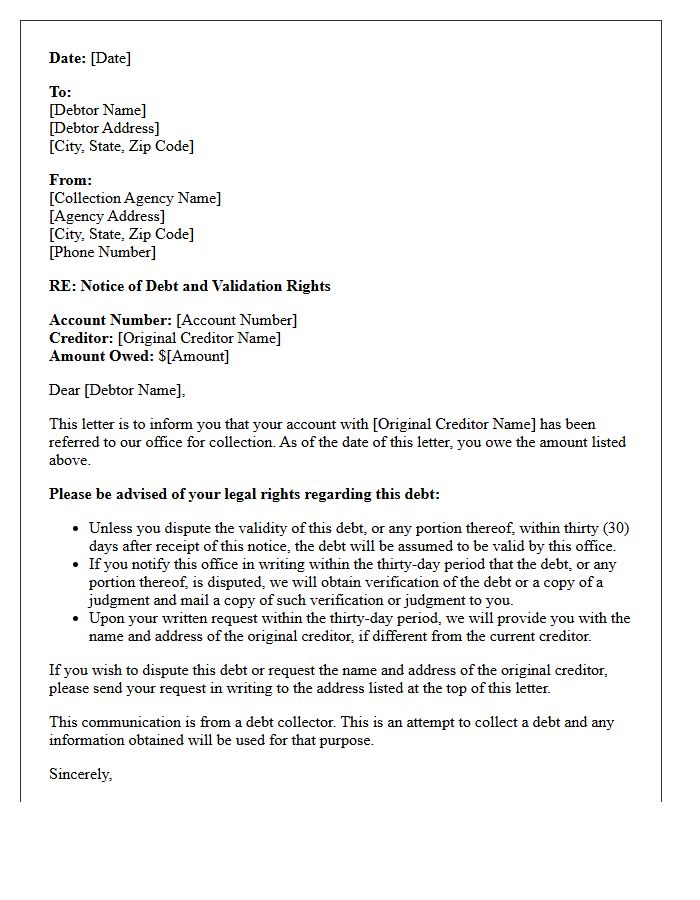
Upon receiving a debt collection letter, federal law grants you specific dispute rights. You have thirty days to submit a written verification request to challenge the validity of the debt. Once notified of a dispute, the collector must cease communication until they provide official proof of the amount owed and the original creditor's identity. Exercising these consumer protections under the FDCPA prevents automated collection actions and ensures your credit report remains accurate. Always retain copies of your correspondence to document your legal response and maintain your financial standing.
Collection Agency Contact Information for Inquiries
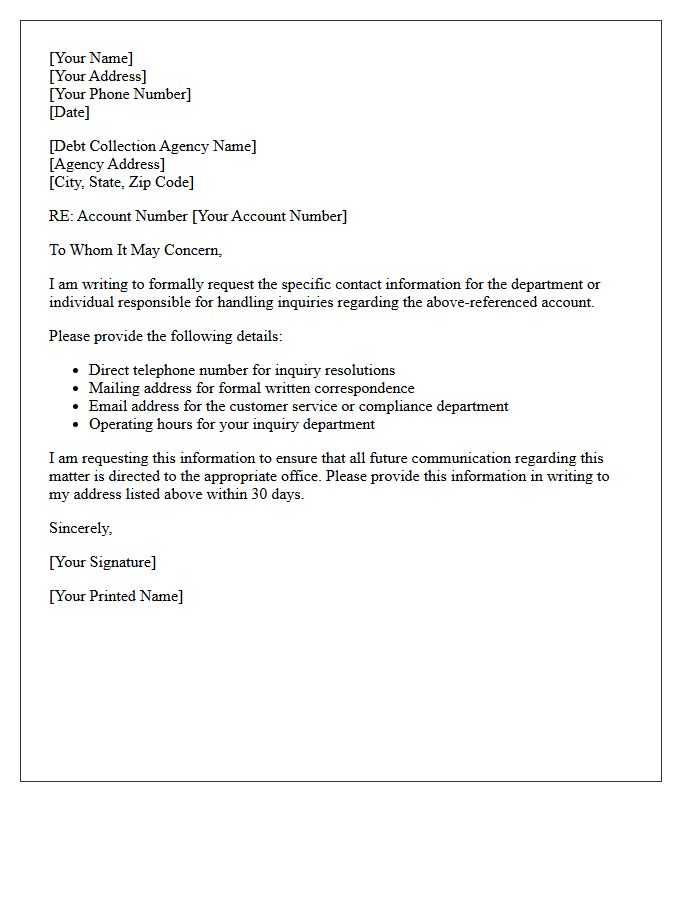
When dealing with debt, having the correct Collection Agency Contact Information is vital for resolving disputes. You should always request a written validation notice to verify the debt's accuracy before making payments. Use official channels to submit inquiries or cease and desist requests via certified mail. Maintaining a clear communication log helps protect your consumer rights under the Fair Debt Collection Practices Act. Always confirm the agency's physical address and phone number through their official website to avoid potential scams and ensure you are speaking with authorized representatives regarding your financial accounts.
Professional Sign-Off and Agency Signature
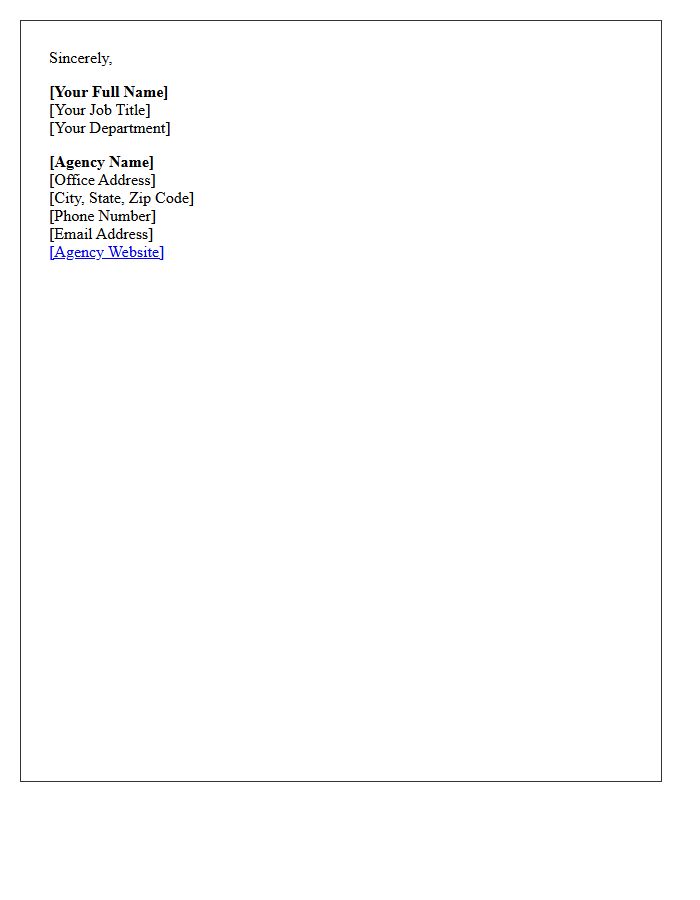
A professional sign-off ensures your agency maintains a polished, authoritative image. It should include your full name, job title, and company name to establish accountability and trust. Always integrate a standardized agency signature featuring essential contact details, a high-quality logo, and social media links. This consistency reinforces brand identity across all communications. For legal compliance, consider adding a brief confidentiality disclaimer. Keeping your closing concise yet informative streamlines correspondence and reflects a high level of expertise that clients expect from a reputable organization.
Mandatory Debt Collection Mini-Miranda Warning
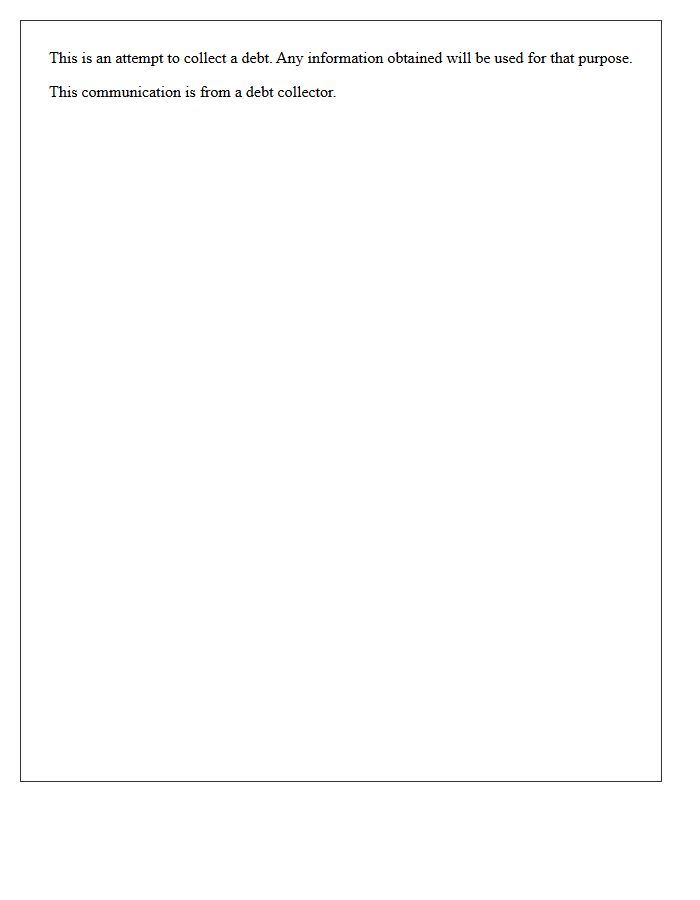
The Mini-Miranda is a federally mandated disclosure required by the Fair Debt Collection Practices Act (FDCPA). Debt collectors must state that they are attempting to collect a debt and any information obtained will be used for that purpose. This warning must be provided during the initial communication with a consumer, whether written or oral. Its primary purpose is to protect consumers by ensuring they understand the nature of the interaction and the potential legal consequences of sharing financial details. Failure to provide this warning can result in significant legal liability for collection agencies.
What is a first notice for an unpaid wholesale supply invoice?
A first notice is a professional reminder sent by a wholesale vendor to a buyer shortly after a payment deadline has passed. It serves to notify the client that an invoice is overdue and requests immediate settlement or communication regarding the payment status.
When should a wholesale vendor send a first payment reminder?
In wholesale trade, a first notice is typically sent 1 to 7 days after the invoice due date. Sending this notice promptly helps maintain healthy cash flow and ensures that any potential billing errors or lost invoices are identified early.
What information should be included in a first notice for an unpaid invoice?
A professional first notice should include the original invoice number, the total amount due, the original due date, a list of the supplied goods, and clear instructions on how to submit payment or contact the accounts receivable department.
How can a first notice help resolve wholesale payment delays?
A first notice often resolves delays caused by administrative oversight, missing paperwork, or technical issues in the payment process. By reaching out politely, wholesale vendors can secure payment without damaging the long-term relationship with their retail partners.
What are the next steps if a first notice for supply payment is ignored?
If a first notice does not result in payment or a response within a specified timeframe (usually 7-10 days), the vendor should escalate the matter to a second notice or a formal "Past Due" letter, which may include information regarding late fees or a temporary hold on future supply orders.

Comments