
Recovering outstanding payments is critical for maintaining business cash flow. This article outlines the legal process of sending a formal intent to sue for unpaid professional service fees, helping you assert your contractual rights and demand settlement before initiating litigation. Learn how to document claims effectively and protect your professional interests. Below are some ready to use templates.
Image cover: Demand for Payment: Formal Notice of Intent to Sue for Unpaid Professional Fees
Letter Samples List
- Debt Collection Agency Letterhead
- Date Of Intent To Sue Letter
- Debtor Contact Information Details
- Subject Line Regarding Unpaid Professional Service Fees
- Formal Salutation To Debtor
- Declaration Of Intent To Sue Letter
- Original Professional Service Agreement Reference
- Total Outstanding Debt Amount
- Itemized Breakdown Of Unpaid Fees
- Final Deadline For Payment Submission
- Notice Of Impending Legal Action
- Fair Debt Collection Practices Act Disclosure
- Official Signature And Agency Title
- Supporting Documents Enclosed With Letter
Debt Collection Agency Letterhead
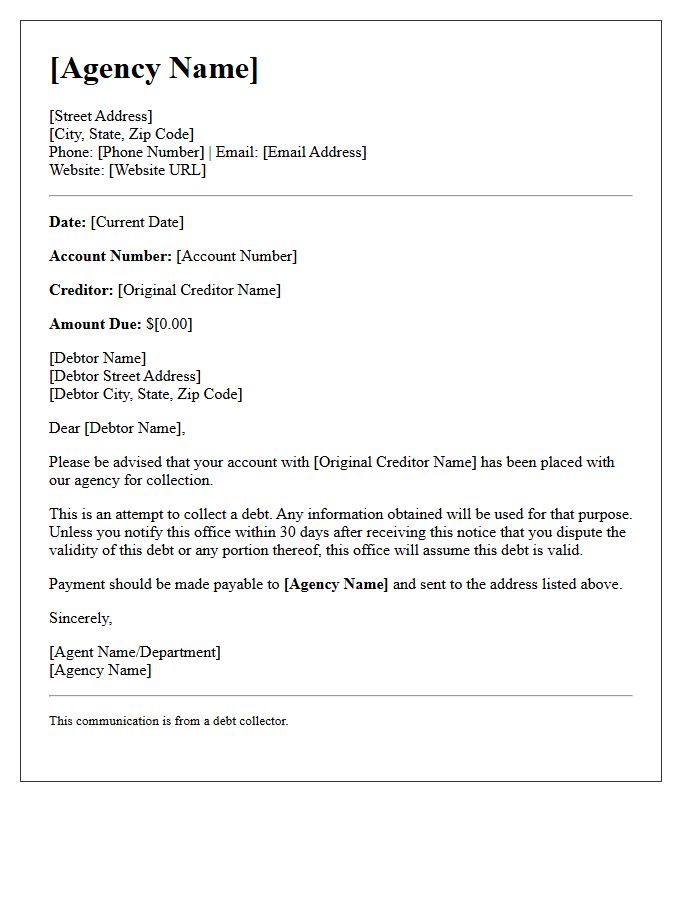
A debt collection agency letterhead serves as legal notification that a debt has been assigned to a third party. It must clearly display the agency's official contact information, licensing details, and a formal validation notice. This document initiates the 30-day period for consumers to dispute a balance under federal law. Verifying the legitimacy of the agency through its letterhead is essential to avoid scams and ensure the communication complies with the Fair Debt Collection Practices Act (FDCPA) requirements for professional transparency.
Date Of Intent To Sue Letter
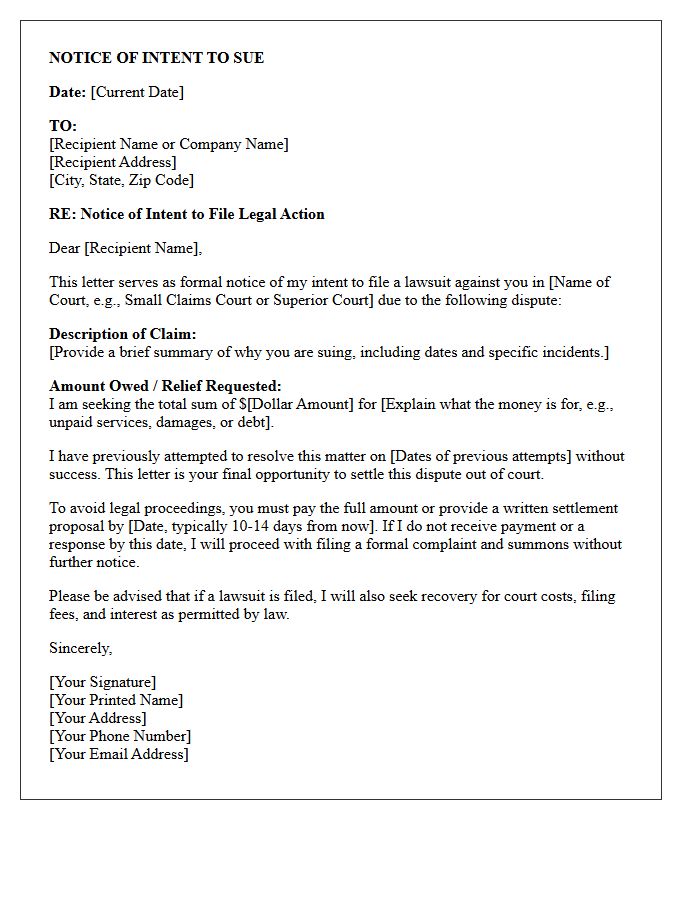
A Date Of Intent To Sue Letter is a formal legal notification sent to a defendant before initiating a lawsuit. It serves as a pre-litigation notice that outlines specific grievances, demands, and a clear deadline for resolution. This document is crucial because it provides a final opportunity for settlement negotiations, potentially avoiding costly court proceedings. In many jurisdictions, sending this letter is a mandatory procedural requirement. Failure to provide this notice can lead to the dismissal of a legal claim or significant delays in the litigation process.
Debtor Contact Information Details
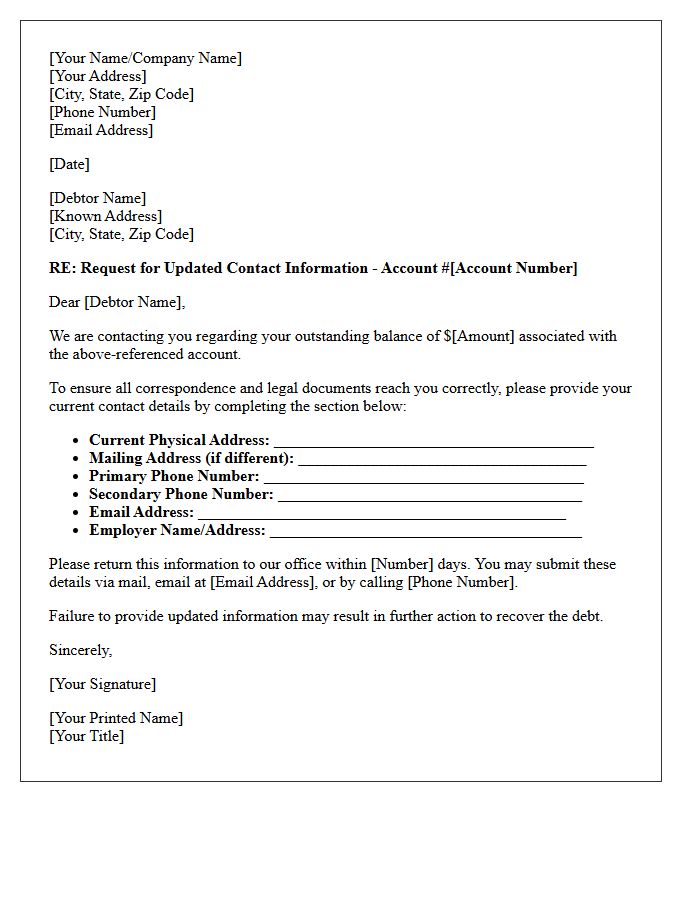
Maintaining accurate Debtor Contact Information is essential for effective accounts receivable management. Key details include the debtor's full legal name, current physical address, verified email, and primary telephone numbers. Having multiple points of contact ensures consistent communication and facilitates debt recovery efforts. It is crucial to regularly update these records to prevent communication gaps and ensure compliance with privacy regulations. Comprehensive data serves as the foundation for successful dispute resolution and professional follow-ups throughout the billing cycle.
Subject Line Regarding Unpaid Professional Service Fees
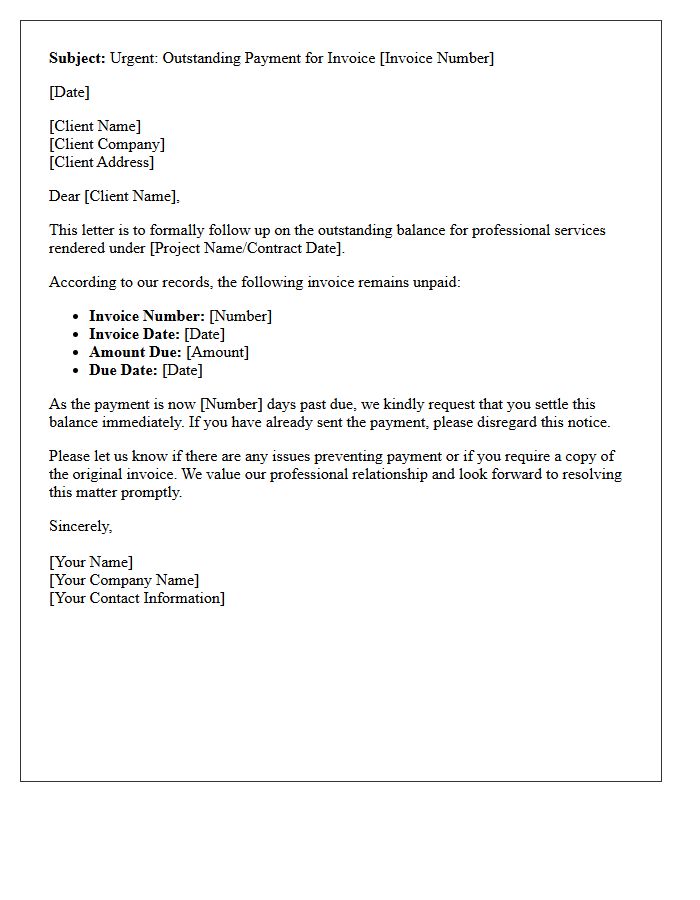
A professional subject line for unpaid service fees must be clear and urgent to ensure prompt debt recovery. Clearly state the invoice number and company name to facilitate immediate identification. Use direct language such as "Payment Overdue" or "Outstanding Balance Notification" to prioritize the email in a busy inbox. Maintaining a firm yet polite tone helps preserve the client relationship while emphasizing the necessity of settling arrears. Including the due date within the subject line often increases the likelihood of a rapid response and successful collection.
Formal Salutation To Debtor
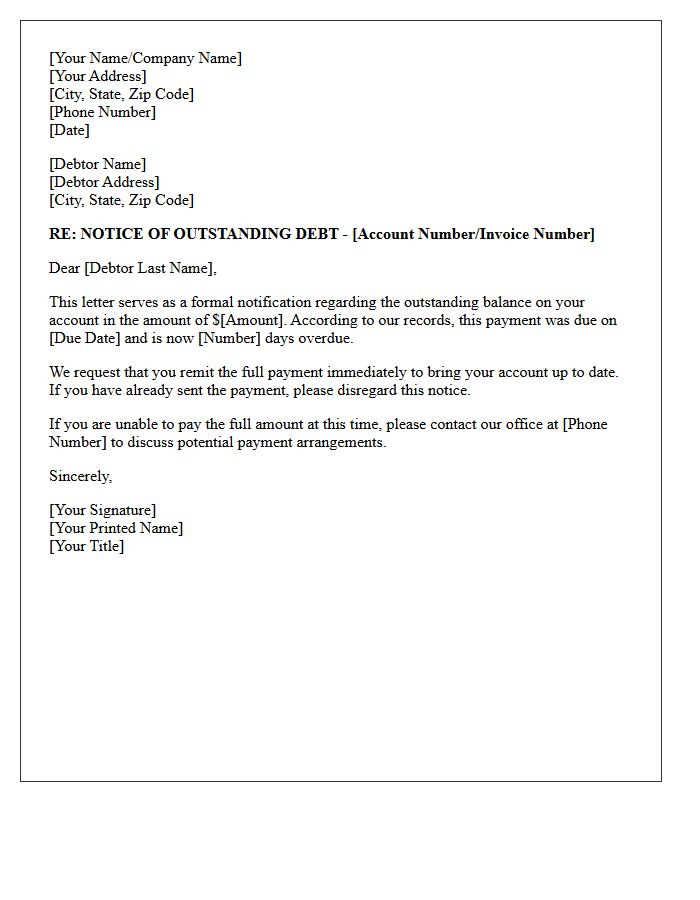
When drafting a formal debt collection letter, the salutation must maintain a professional and neutral tone. It is best to use "Dear [Debtor Name]" to ensure clarity and legal professionalism. If the name is unknown, "Dear Account Holder" serves as a standard alternative. Avoid overly aggressive or casual greetings, as precise communication is essential for legal compliance and effective debt recovery. A respectful opening establishes a serious framework for resolving outstanding obligations while protecting the creditor's professional reputation during the formal notification process.
Declaration Of Intent To Sue Letter
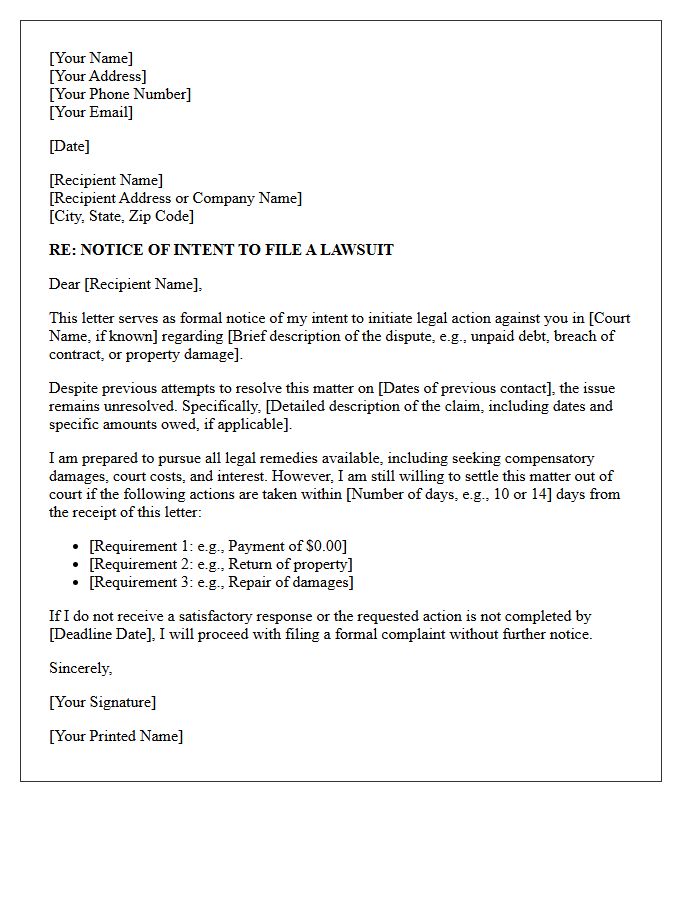
A Declaration of Intent to Sue is a formal legal notice informing a recipient of pending litigation. This demand letter serves as a final opportunity to resolve a dispute through settlement or mediation before a lawsuit is officially filed in court. It must clearly outline the legal basis for the claim, specific damages sought, and a strict deadline for compliance. Sending this document is often a mandatory procedural step to demonstrate good faith efforts toward resolution, potentially saving time and legal expenses for both parties involved.
Original Professional Service Agreement Reference
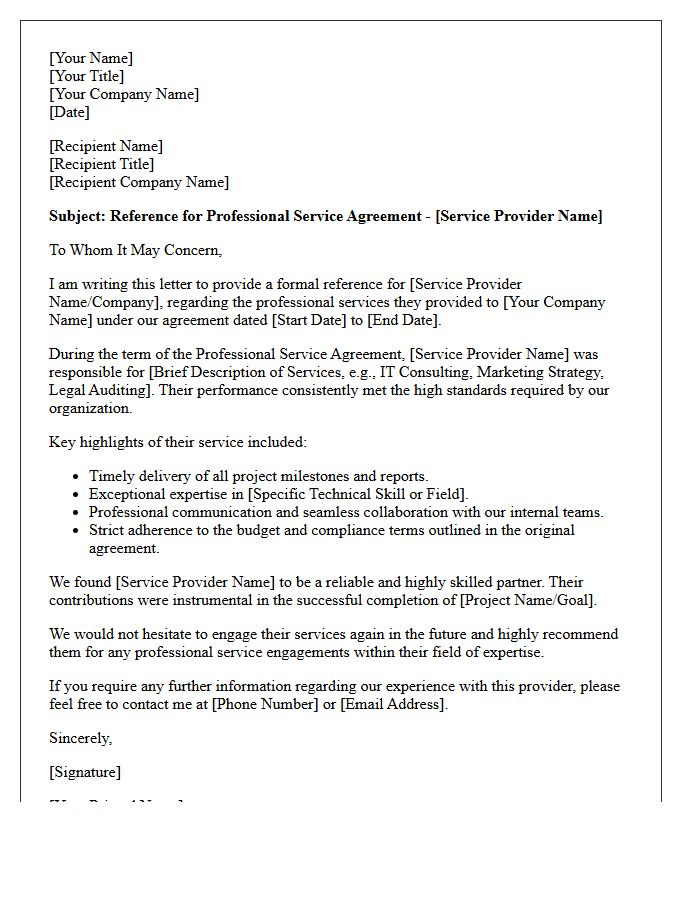
An Original Professional Service Agreement Reference serves as the foundational legal anchor for all subsequent project amendments. It identifies the primary effective date, contracting parties, and core scope of work established at the start of a partnership. Maintaining a clear reference ensures that supplemental task orders or extensions remain legally tethered to the initial terms, conditions, and liability protections. This unique identifier is critical for contract lifecycle management, providing a clear audit trail and ensuring consistency across complex, multi-year professional engagements and financial billing structures.
Total Outstanding Debt Amount
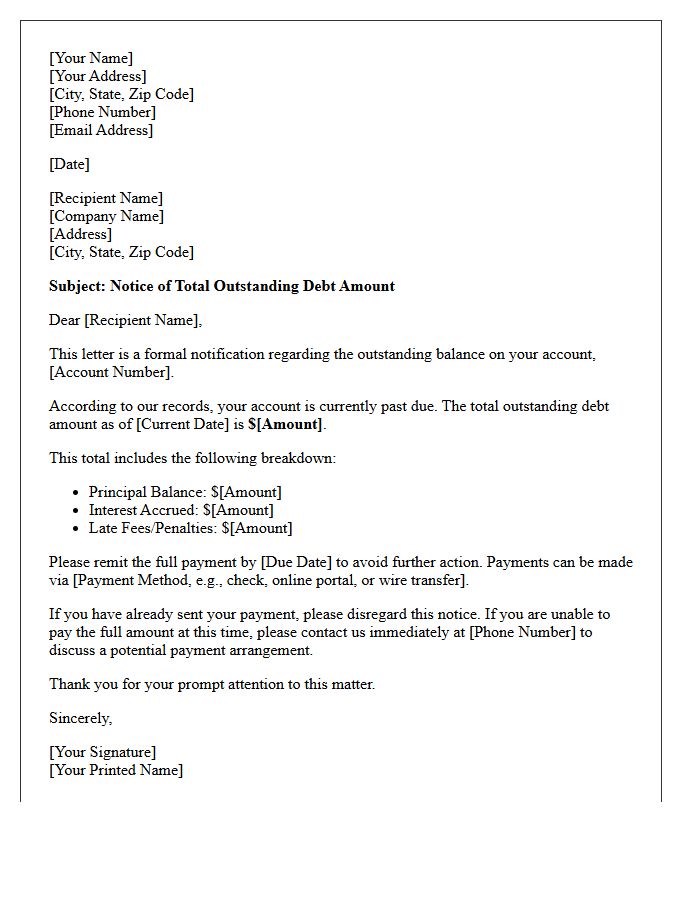
The Total Outstanding Debt Amount represents the cumulative sum of all unpaid financial obligations owed by an individual or entity. This figure includes principal balances from loans, credit cards, and mortgages that have not yet been settled. Monitoring this metric is essential for assessing creditworthiness and overall financial health. For governments, it reflects the national debt, while for consumers, it directly impacts credit scores. Maintaining a manageable debt-to-income ratio is vital for ensuring long-term solvency and avoiding default risks.
Itemized Breakdown Of Unpaid Fees
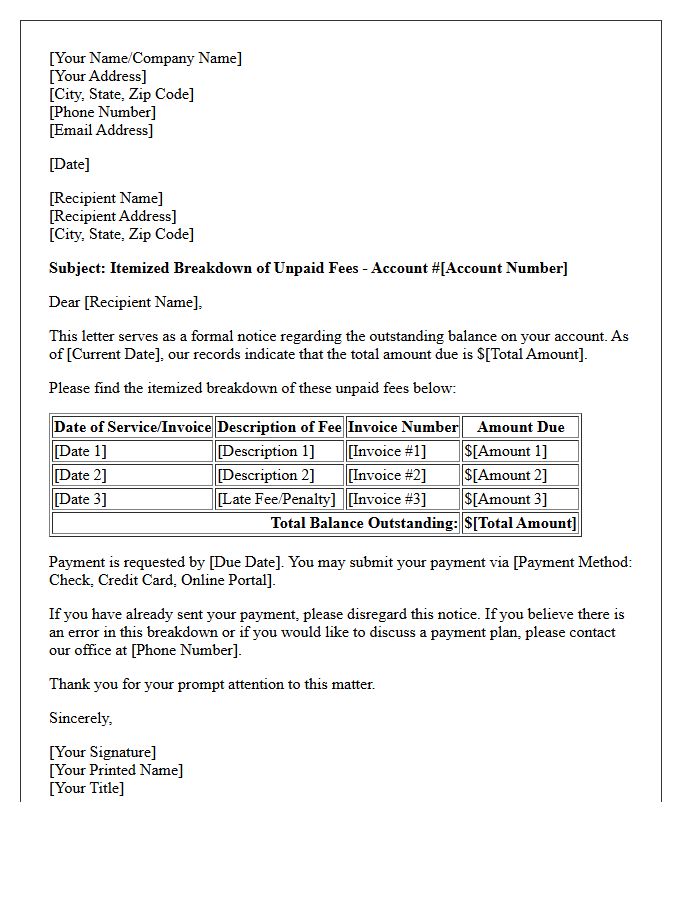
An Itemized Breakdown of Unpaid Fees is a detailed statement listing every outstanding charge on an account. This document ensures transparency by categorizing costs such as late penalties, service charges, or administrative levies rather than showing a single lump sum. For consumers and businesses, it serves as a critical tool for dispute resolution and financial auditing. Reviewing each line item helps verify accuracy, identify potential billing errors, and facilitates clear communication between debtors and creditors to settle obligations effectively.
Final Deadline For Payment Submission
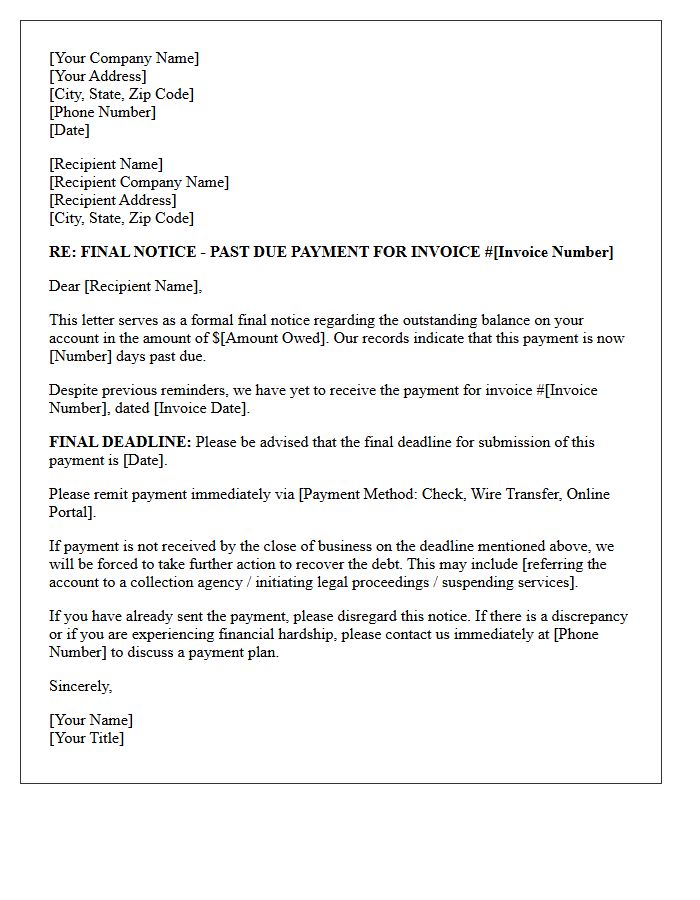
Adhering to the final deadline for payment submission is critical to avoid service interruptions or late penalties. This cutoff represents the absolute last moment a transaction can be processed within a specific billing cycle. To ensure compliance, always verify time zones and allow for bank processing delays. Missing this window may result in the forfeiture of discounts or legal complications. Prioritize early electronic transfers to guarantee that funds are cleared before the ultimate cutoff date, maintaining your financial standing and account security.
Notice Of Impending Legal Action
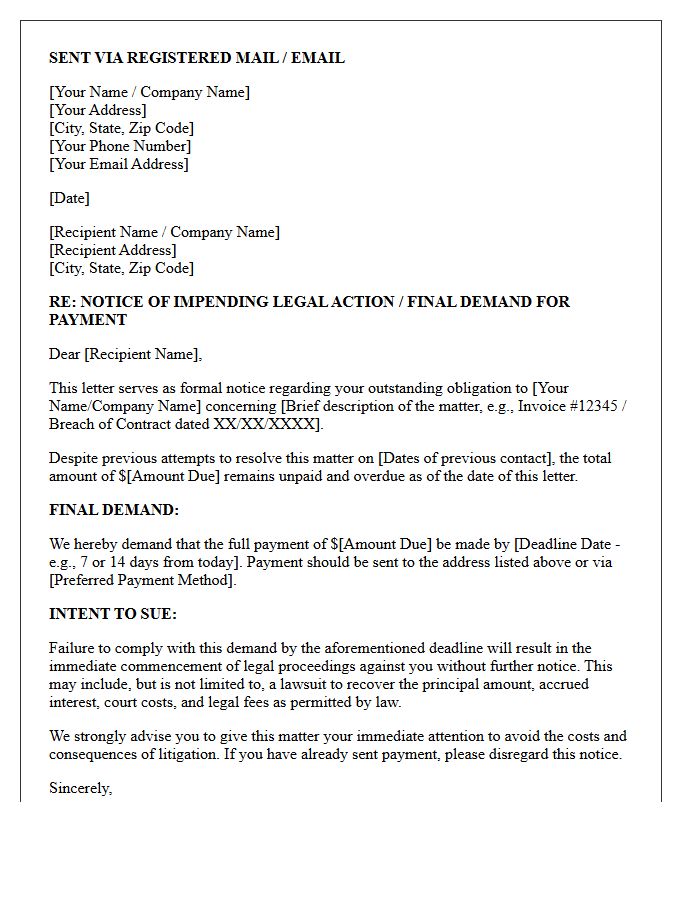
A Notice of Impending Legal Action is a formal warning indicating that a party intends to initiate a lawsuit. Receiving this document means you must act quickly to resolve a dispute or seek professional counsel. It typically serves as a final opportunity to settle a debt or breach of contract before a court case begins. Ignoring this notice can lead to a default judgment against you. The most important thing is to verify the claim's validity and respond within the specified timeframe to protect your legal rights and avoid litigation costs.
Fair Debt Collection Practices Act Disclosure
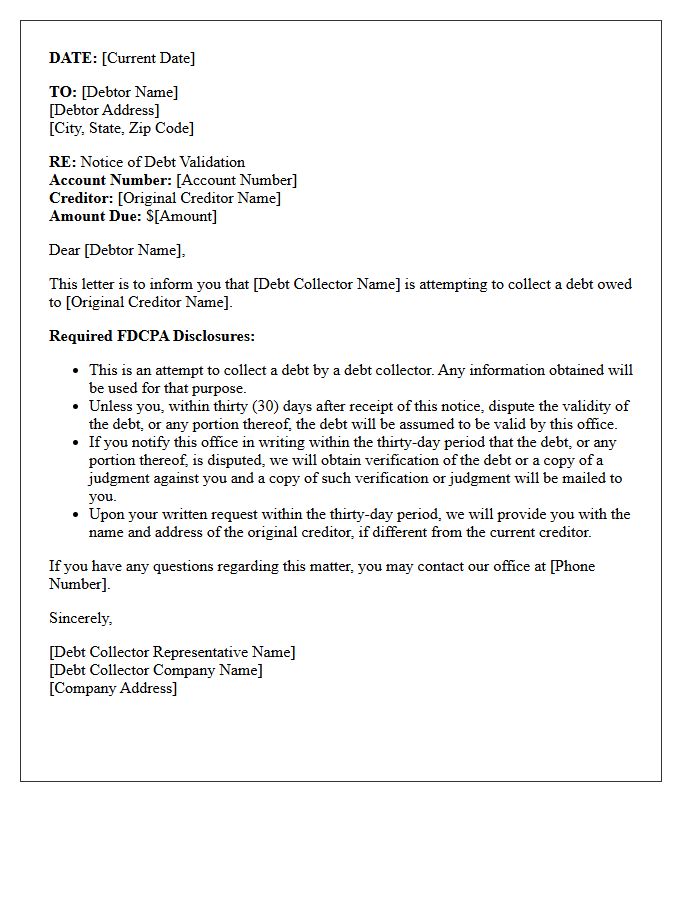
The Fair Debt Collection Practices Act Disclosure is a mandatory legal notice required by federal law. It ensures consumers are informed of their rights when interacting with third-party debt collectors. This disclosure must state that the communication is an attempt to collect a debt and any information obtained will be used for that purpose. It protects you from abusive, deceptive, or unfair practices, including harassment or false representation. Knowing these rights allows you to dispute inaccuracies and request formal verification of any claimed financial obligations within thirty days of initial contact.
Official Signature And Agency Title
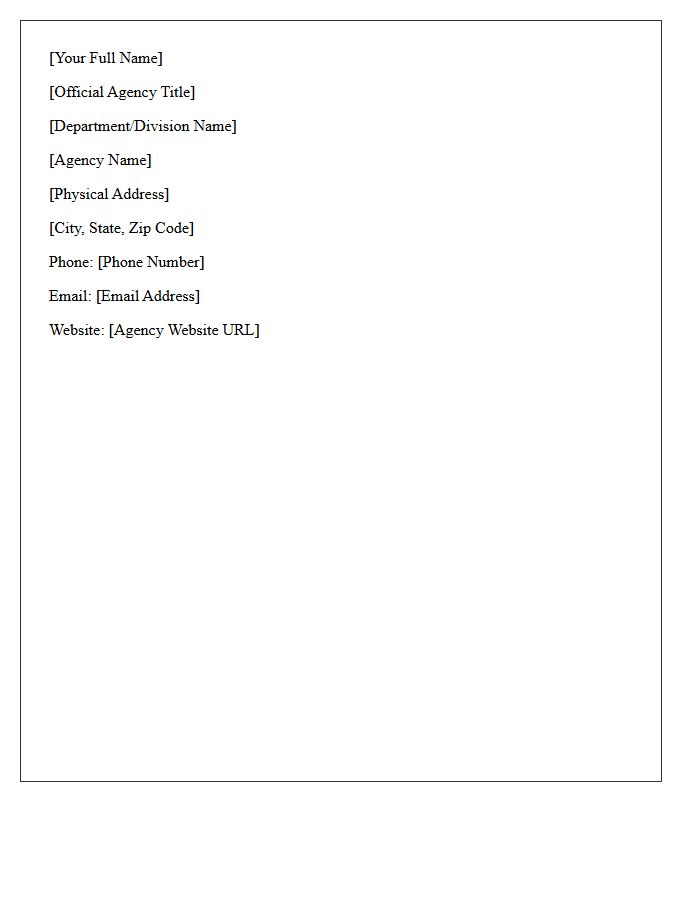
An Official Signature validates legal documents, confirming the identity and intent of the signer. It must be accompanied by a clear Agency Title to indicate the individual's specific authority and professional capacity within an organization. This combination ensures accountability and prevents personal liability by proving the act was performed on behalf of a legal entity. For high-stakes transactions, consistent formatting of both the name and job title is essential for maintaining record integrity and ensuring the document's legal enforceability across administrative and judicial systems.
Supporting Documents Enclosed With Letter
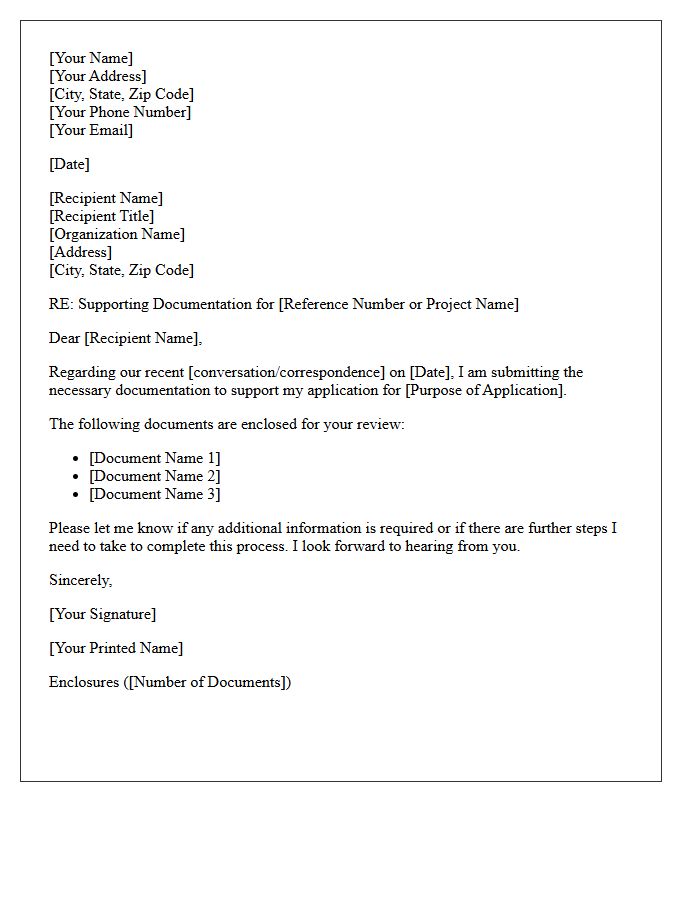
When sending a professional correspondence, supporting documents serve as essential evidence to validate your claims. Always include an enclosure notation at the bottom of your letter to list every attached item clearly. This practice ensures the recipient identifies all materials, such as resumes, certificates, or legal forms, immediately. Organizing your attachments logically helps maintain professional standards and prevents vital information from being overlooked. Verified documentation strengthens your message and provides the necessary verification required for formal processing or decision-making in business and legal matters.
What are the first legal steps to take when a client refuses to pay for professional services?
The first step is typically sending a formal "Demand Letter" via certified mail. This document outlines the services rendered, the total amount overdue, and a specific deadline for payment before formal legal action or a lawsuit is initiated.
Can I sue for unpaid professional fees in Small Claims Court?
Yes, if the unpaid invoice falls below your state's specific monetary threshold (typically between $2,500 and $10,000), you can file a claim in Small Claims Court. This is often the most cost-effective route as it usually does not require a private attorney.
What evidence is required to win a lawsuit for unpaid service fees?
To prevail in court, you must provide a signed contract or engagement letter, proof of work completion (such as deliverables or logs), copies of all sent invoices, and a record of communication showing the client's acknowledgment of the debt or failure to dispute the work.
How long do I have to sue a client for non-payment of an invoice?
The timeframe is governed by the "Statute of Limitations" for breach of contract, which varies by state. Generally, you have between 2 to 6 years from the date the payment was due to file a lawsuit, though written contracts typically have longer windows than verbal agreements.
Can I recover attorney fees and interest when suing for unpaid professional fees?
You can recover attorney fees and late interest only if these terms were explicitly stated in your original signed contract. Without a written agreement mentioning these costs, the court may only award the principal amount owed plus basic court filing costs.

Comments