
A First Notice of Past Due Account Letter serves as a professional reminder to clients regarding unpaid invoices. It maintains a positive business relationship while encouraging prompt payment to protect your cash flow. This initial communication establishes clear expectations and provides necessary payment details. To simplify your collections process, below are some ready to use templates.

Image cover: Professional Templates for Your First Past Due Account Notice
Letter Samples List
- Initial Debt Collection Notice Letter
- Friendly Reminder of Overdue Balance Letter
- First Request for Payment Letter
- Account Delinquency Initial Notice Letter
- Outstanding Invoice First Reminder Letter
- First Warning of Past Due Debt Letter
- Initial Statement of Overdue Account Letter
- Gentle First Reminder Payment Letter
- First Notice of Outstanding Balance Letter
- Commercial Debt Initial Demand Letter
- Consumer Account First Past Due Letter
- Standard First Notice of Arrears Letter
Initial Debt Collection Notice Letter
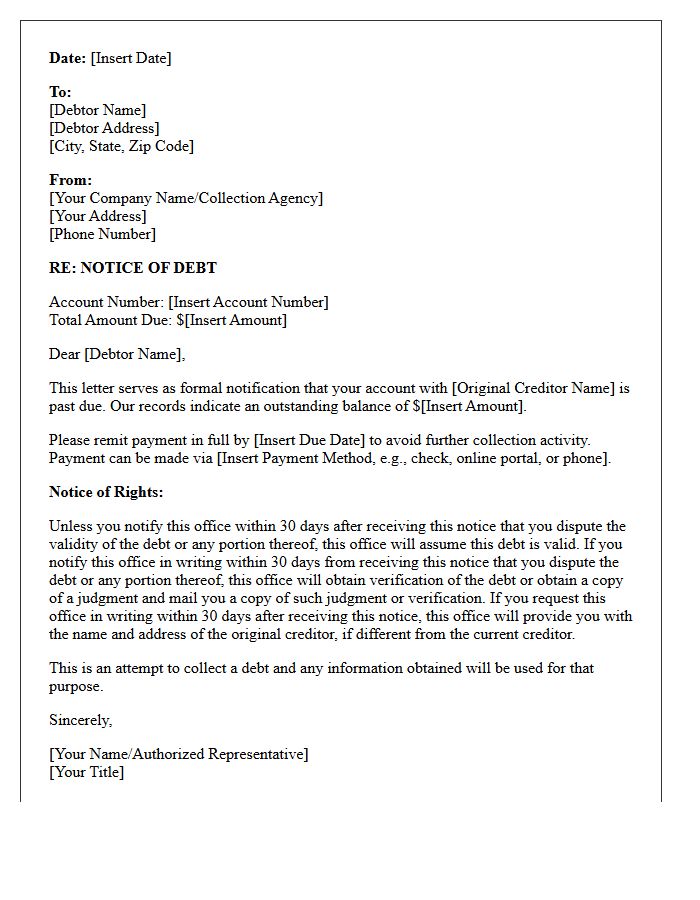
An Initial Debt Collection Notice is a formal document sent by collectors to inform you of an outstanding balance. Under the Fair Debt Collection Practices Act, this letter must include the debt amount, the creditor's name, and a validation notice. You have a legal right to dispute the debt within thirty days of receipt. During this period, you can request written verification to confirm the debt's accuracy. Understanding this letter is crucial for protecting your consumer rights and preventing unauthorized or incorrect collection actions against your credit profile.
Friendly Reminder of Overdue Balance Letter
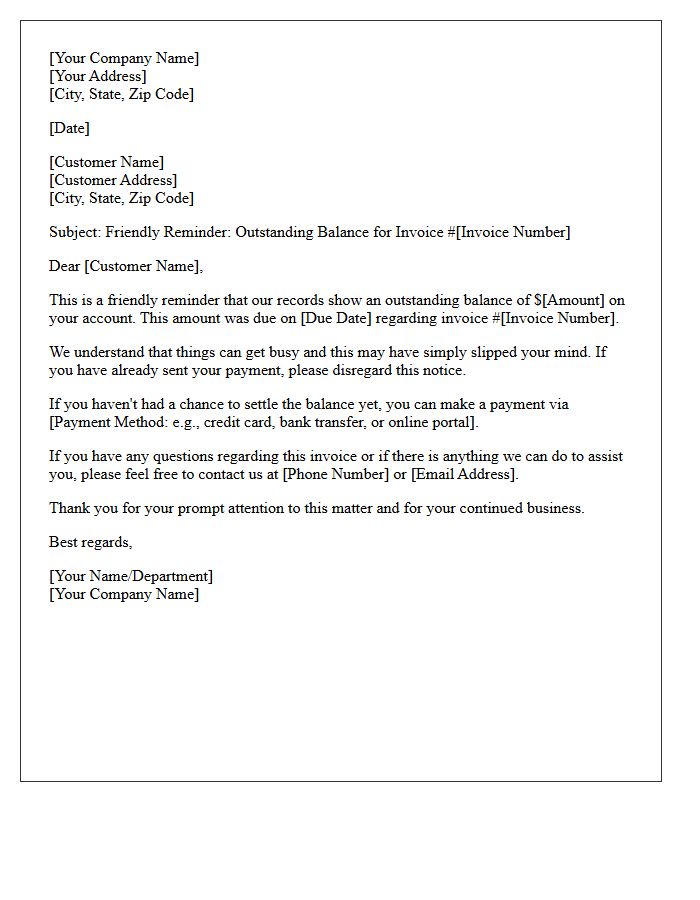
A Friendly Reminder of Overdue Balance Letter serves as a professional courtesy notification to encourage prompt payment while maintaining a positive customer relationship. It is essential to include the exact outstanding amount, the original invoice date, and clear payment instructions to resolve the delinquency quickly. Keeping the tone polite yet firm helps minimize friction and prevents minor payment delays from escalating into serious credit issues. Always provide contact information to address potential billing disputes or financial hardships immediately.
First Request for Payment Letter
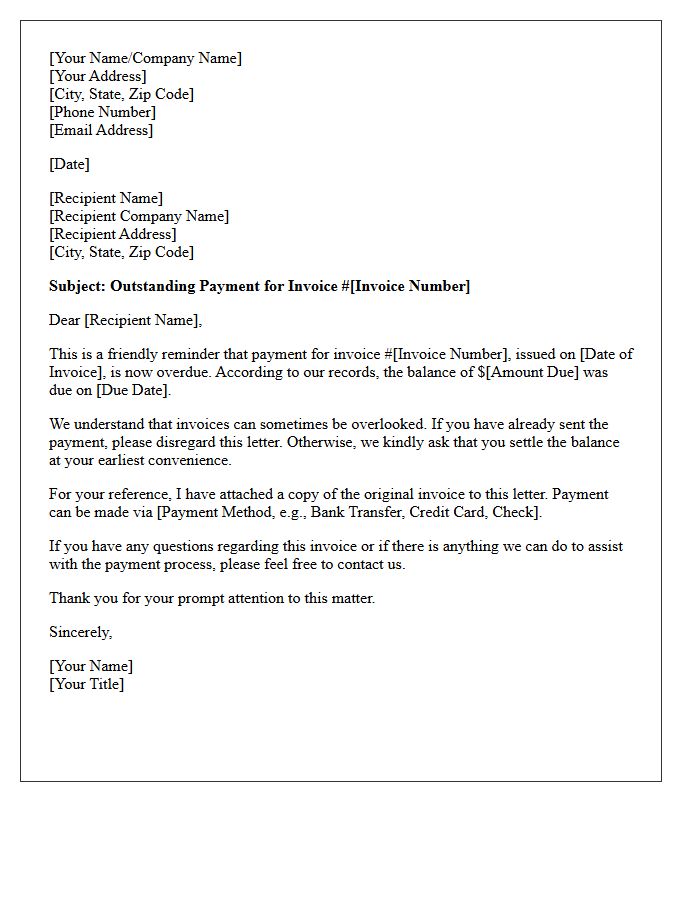
A First Request for Payment Letter serves as a formal, professional reminder to a client regarding an overdue invoice. To maintain a positive business relationship, the tone should remain polite yet firm. Key elements must include the original invoice number, total amount due, and the initial payment deadline. Explicitly state the accepted payment methods and provide clear contact information for any billing inquiries. Sending this document promptly after a missed date encourages immediate settlement and establishes a clear paper trail for future debt recovery actions if necessary.
Account Delinquency Initial Notice Letter
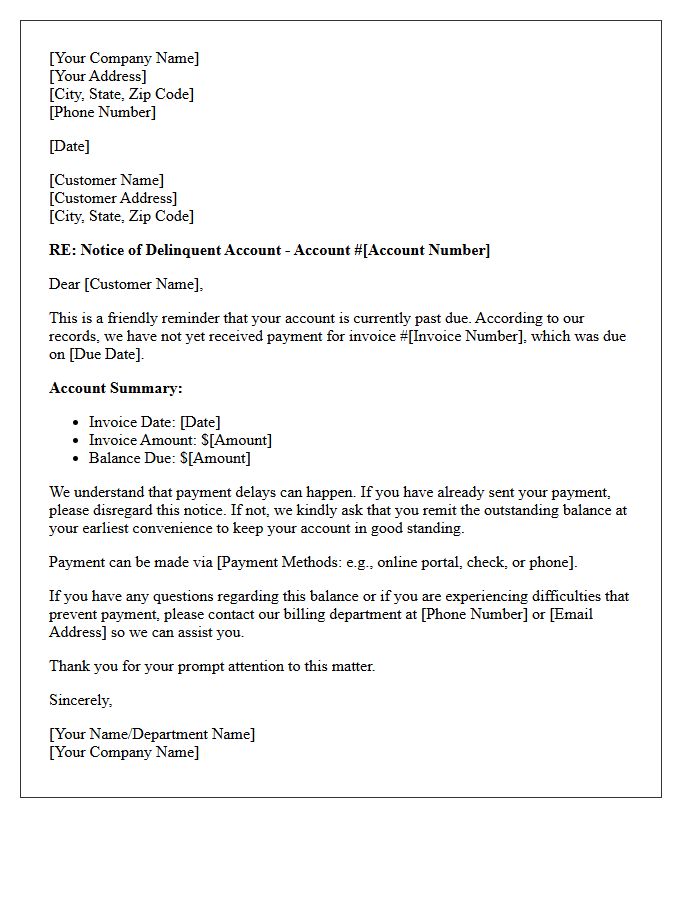
An Account Delinquency Initial Notice Letter serves as a formal notification when a payment is past due. It is a critical communication tool used to inform debtors of their outstanding balance and required action steps to maintain good standing. This document clearly outlines the amount owed, the original due date, and potential late fees. Timely acknowledgement of this notice is vital to prevent negative impacts on credit scores or the escalation of collection efforts. Establishing a payment plan promptly can help resolve the debt and preserve the business relationship.
Outstanding Invoice First Reminder Letter
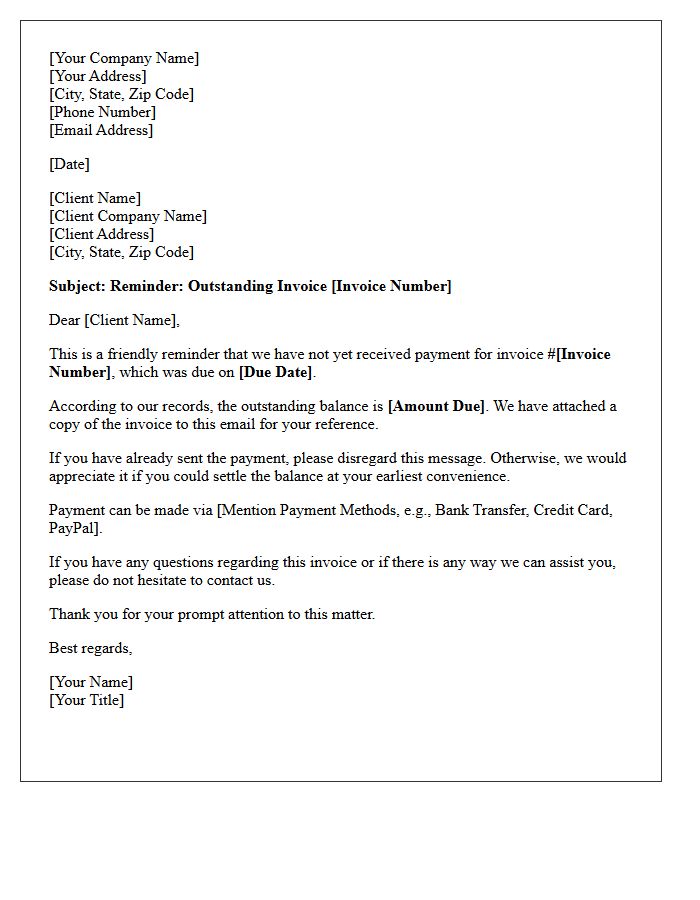
An outstanding invoice first reminder is a professional notification sent to clients immediately after a payment deadline passes. This initial communication should maintain a polite tone to preserve the business relationship while clearly stating the invoice number, amount due, and original due date. Its primary goal is to prompt a quick settlement and confirm that the client hasn't simply overlooked the bill. Including multiple payment methods and a copy of the original invoice helps reduce friction, ensuring consistent cash flow and minimizing the risk of long-term bad debt.
First Warning of Past Due Debt Letter
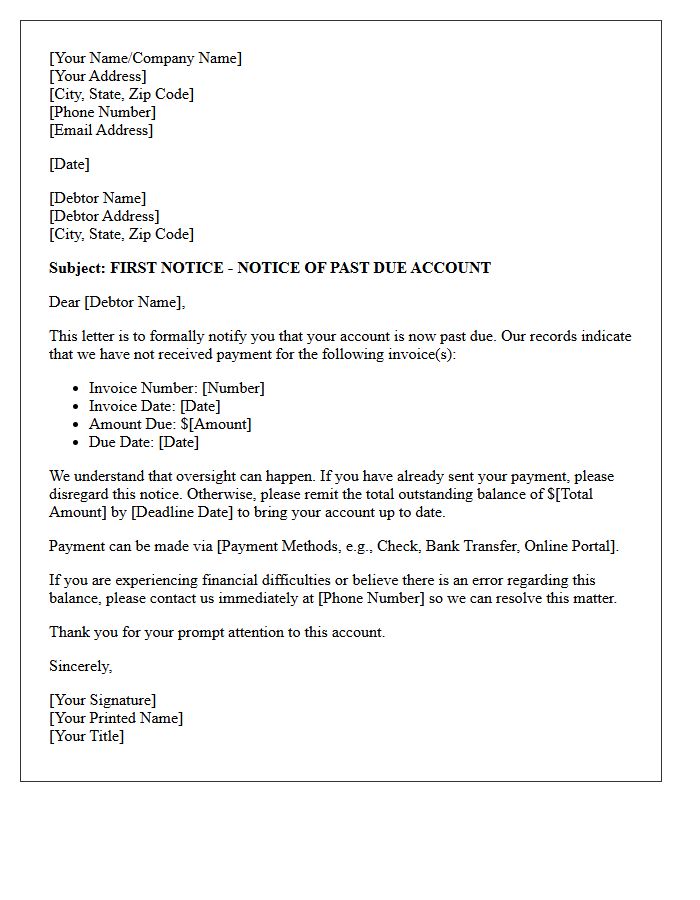
A First Warning of Past Due Debt Letter serves as a formal notification that a payment is late. This official reminder aims to resolve the balance before late fees or credit damage occur. It should clearly state the outstanding amount, original due date, and available payment methods. Promptly addressing this notice is essential to maintain a positive credit score and avoid further collection actions or legal escalation. Professional communication at this stage often allows for repayment negotiations or the correction of potential billing errors before the debt becomes a serious financial liability.
Initial Statement of Overdue Account Letter
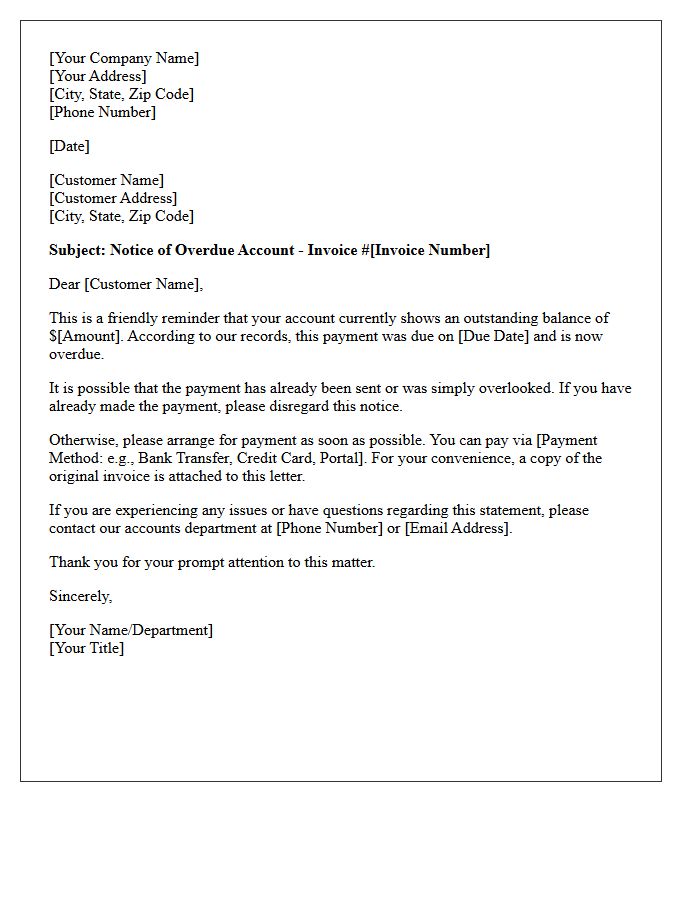
An Initial Statement of Overdue Account Letter serves as a professional notification to a client regarding an unpaid invoice. This document formally requests immediate payment while maintaining a positive business relationship. It must clearly state the outstanding balance, the original due date, and available payment methods. Promptly sending this reminder helps improve cash flow and identifies potential billing disputes early. Providing clear contact information ensures the debtor can resolve the delinquency quickly before the account escalates to formal collection actions or incurs additional late fees.
Gentle First Reminder Payment Letter
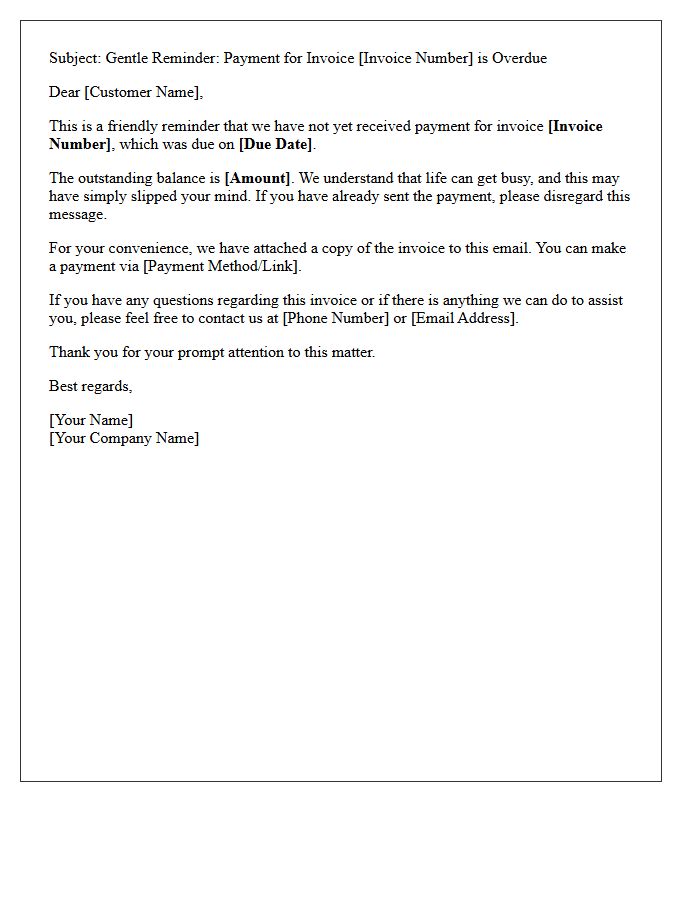
A Gentle First Reminder Payment Letter serves as a professional nudge for an overdue invoice. It assumes the missed deadline was a simple oversight rather than a deliberate refusal to pay. The primary goal is to maintain a positive client relationship while securing funds. Keep the tone friendly and helpful, including essential details like the invoice number, amount due, and payment methods. Attaching a copy of the original bill simplifies the process for the customer, ensuring a quick resolution without creating unnecessary tension or financial friction.
First Notice of Outstanding Balance Letter
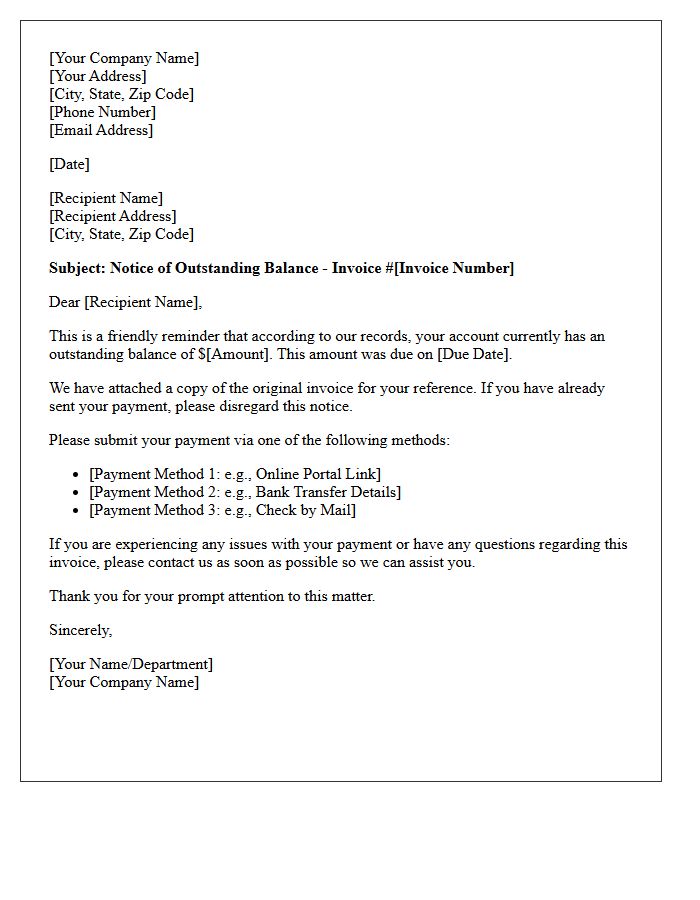
A First Notice of Outstanding Balance Letter is a formal notification sent to a debtor regarding an unpaid invoice. This document serves as a polite reminder to settle a delinquent account before further collection actions occur. It clearly outlines the total amount due, the original due date, and available payment methods. Receiving this letter is a critical opportunity to resolve payment discrepancies or arrange a settlement plan. Timely communication is essential to maintain a positive business relationship and avoid late fees or negative impacts on your credit standing.
Commercial Debt Initial Demand Letter
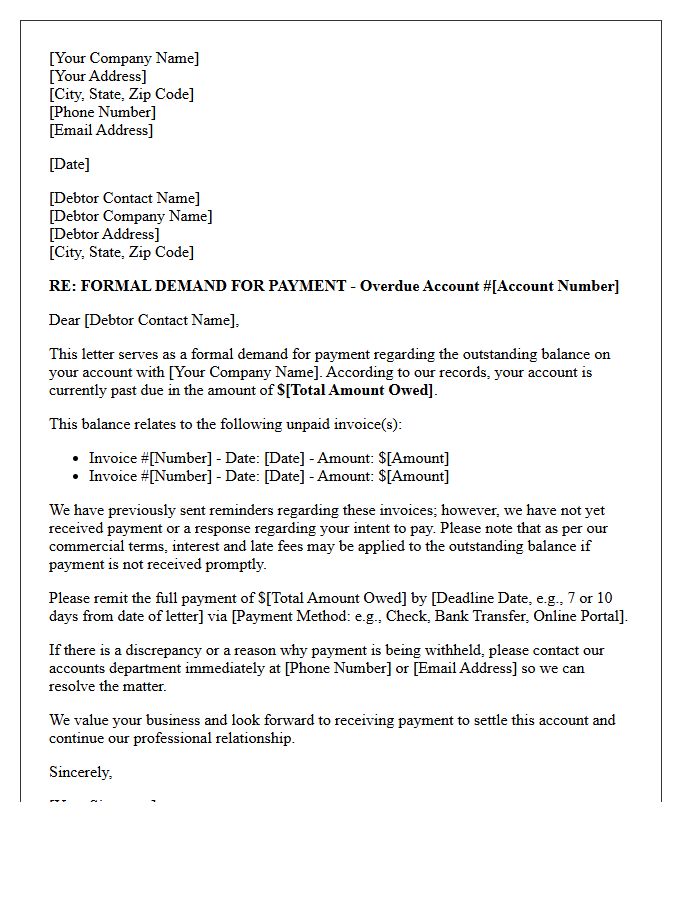
A Commercial Debt Initial Demand Letter serves as a formal notice to a business debtor regarding an outstanding balance. This legally significant document outlines the specific amount owed, the original invoice details, and a clear deadline for payment. Sending this letter is a critical first step in the debt collection process, as it establishes a paper trail for potential litigation and formalizes the creditor's intent to recover funds. Professionalism is vital to preserve business relationships while ensuring the debtor understands the consequences of non-payment, such as legal action or credit reporting impacts.
Consumer Account First Past Due Letter
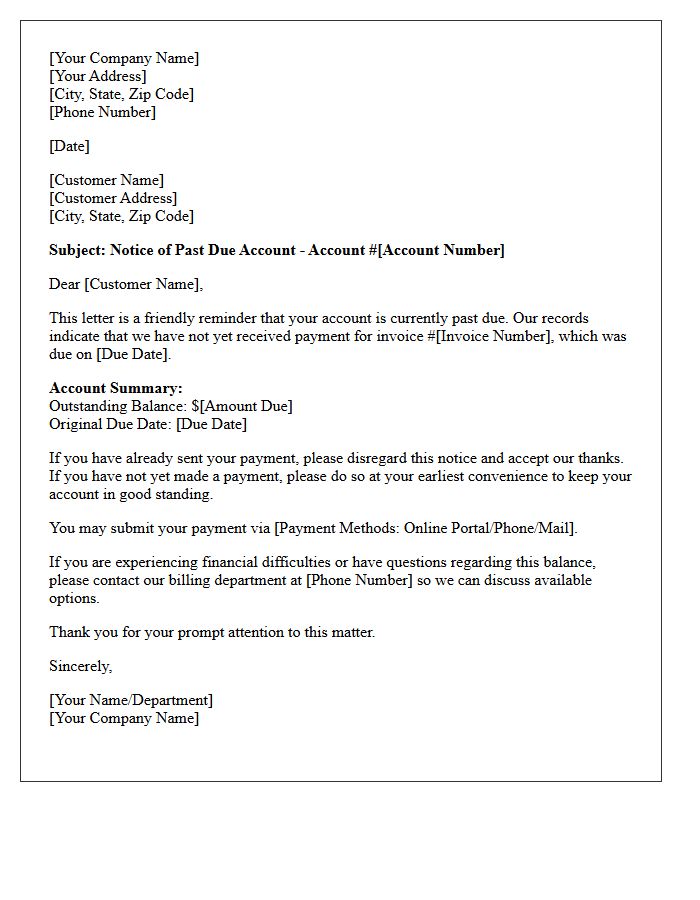
A Consumer Account First Past Due Letter serves as an initial formal notice when a payment is missed. This document is a critical step in debt collection, designed to remind the customer of their obligation while maintaining a positive relationship. It typically includes the outstanding balance, the original due date, and clear instructions for payment. Timely communication helps prevent further delinquency and avoids negative impacts on the consumer's credit score. Providing immediate repayment options within this letter encourages quick resolution and helps maintain account standing before escalating to harsher collection actions.
Standard First Notice of Arrears Letter
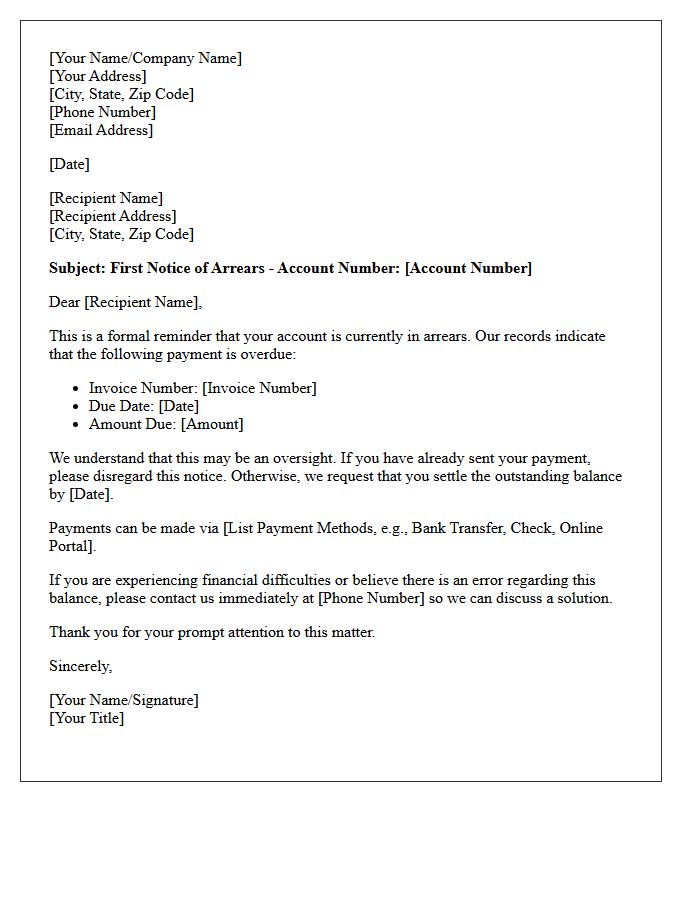
A Standard First Notice of Arrears Letter is a formal notification sent to a debtor when a payment is overdue. Its primary purpose is to request immediate payment while maintaining a professional relationship. The letter clearly states the outstanding balance, the original due date, and instructions for settlement. Under various regulations, this document serves as an essential legal step before escalating to debt collection agencies. Receiving this notice acts as a reminder to rectify the account quickly to avoid late fees, interest charges, or negative impacts on credit scores.
What is a First Notice of Past Due Account letter?
A First Notice of Past Due Account is a formal written reminder sent by a creditor to a customer when a payment has not been received by the original due date. It serves as a professional notification to resolve the outstanding balance before the account incurs late fees or further collection actions.
When should a company send the first past due notice?
Most businesses send the first past due notice between 1 to 15 days after the payment deadline has passed. This initial letter is typically friendly and assumes the customer may have simply forgotten or overlooked the invoice.
What information should be included in a First Notice of Past Due Account?
The letter should include the original invoice number, the total amount overdue, the original due date, a clear description of the services or goods provided, and available payment methods to facilitate an immediate resolution.
Will a first past due notice affect my credit score?
Generally, a first notice does not affect your credit score if the balance is paid promptly. Most creditors do not report delinquencies to credit bureaus until the account is at least 30 days past due; however, it is important to clear the balance to avoid internal late penalties.
How should I respond to a First Notice of Past Due Account?
The best response is to pay the balance immediately through the requested channels. If you have already made the payment, you should contact the creditor with the transaction details; if you cannot pay, you should reach out to discuss a payment plan or extension.


Comments