
This article explores how to formalize a bespoke fee structure while maintaining alignment with your standard terms of business. Successfully negotiating custom rates requires clear written confirmation to ensure mutual understanding and legal protection for both parties. Learn how to document unique financial arrangements effectively and professionally. To assist your process, below are some ready to use templates.
Image cover: Acceptance of Custom Fee Arrangements: Sample Letters and Templates
Letter Samples List
- Recruitment Agency Letterhead and Contact Details
- Issuance Date of the Letter
- Client Addressee and Company Information
- Formal Salutation to the Client
- Subject Title Regarding Letter Agreeing to Bespoke Fee Structure
- Acknowledgment of the Existing Terms of Business
- Specification of the Bespoke Placement Fee Percentage
- Adjustments to the Standard Rebate and Refund Schedule
- Stipulation of Exclusivity or Volume Requirements
- Modifications to Standard Invoicing and Payment Terms
- Validity Period for the Custom Pricing Agreement
- Confirmation That All Other Standard Terms Remain Active
- Request for Client Countersignature
- Professional Closing and Agency Signature
Recruitment Agency Letterhead and Contact Details
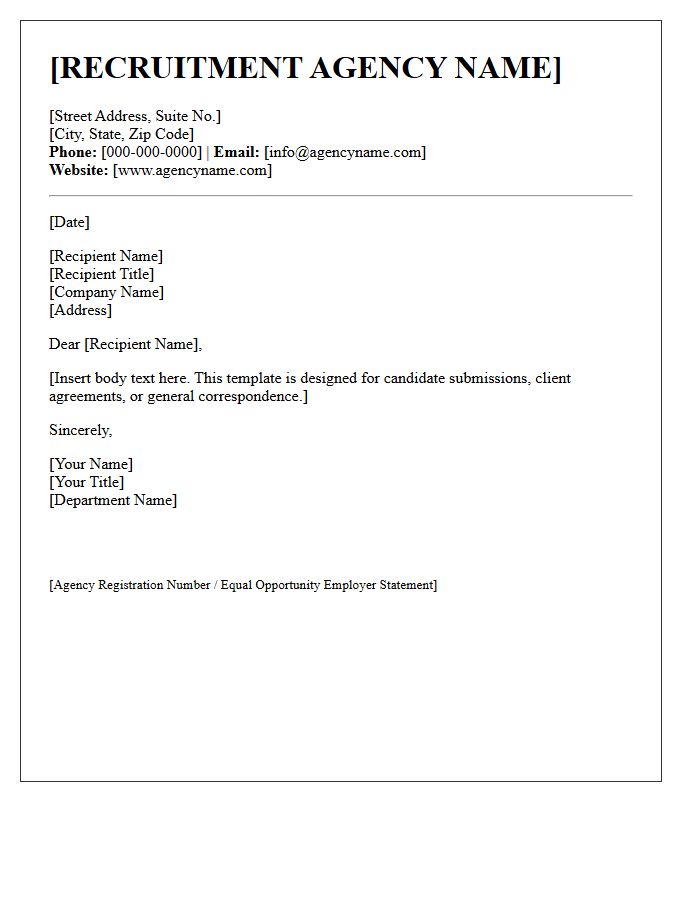
A professional recruitment agency letterhead establishes brand credibility and ensures legal compliance. It must clearly display the agency's name, logo, and registered office address. Essential contact details include a direct phone number, a professional email address, and the official website URL. For transparency, including the company registration number and VAT details is often mandatory. A well-designed header reinforces trust with both candidates and clients, ensuring all formal communication is easily identifiable, accessible, and reflects the firm's commitment to high-quality talent acquisition standards.
Issuance Date of the Letter
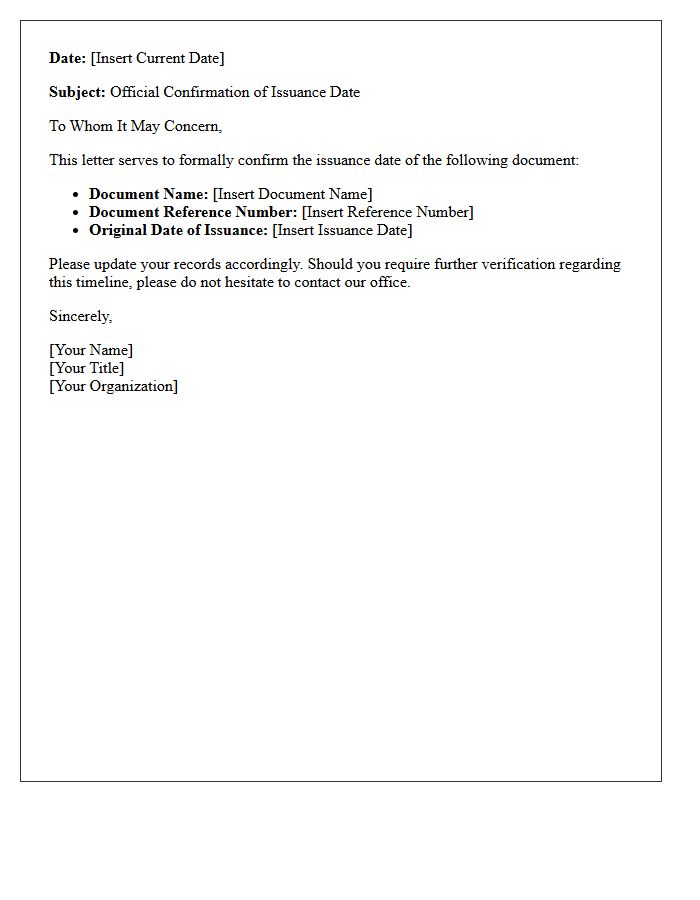
The Issuance Date is the formal moment a legal or administrative document is officially released and becomes effective. This specific calendar date serves as the primary reference point for calculating critical deadlines, expiration periods, and statutory obligations. It verifies when the sender authorized the content, establishing a clear timeline for response or action. In legal contexts, this date ensures procedural compliance and prevents disputes regarding the document's validity or the commencement of terms mentioned within the correspondence.
Client Addressee and Company Information
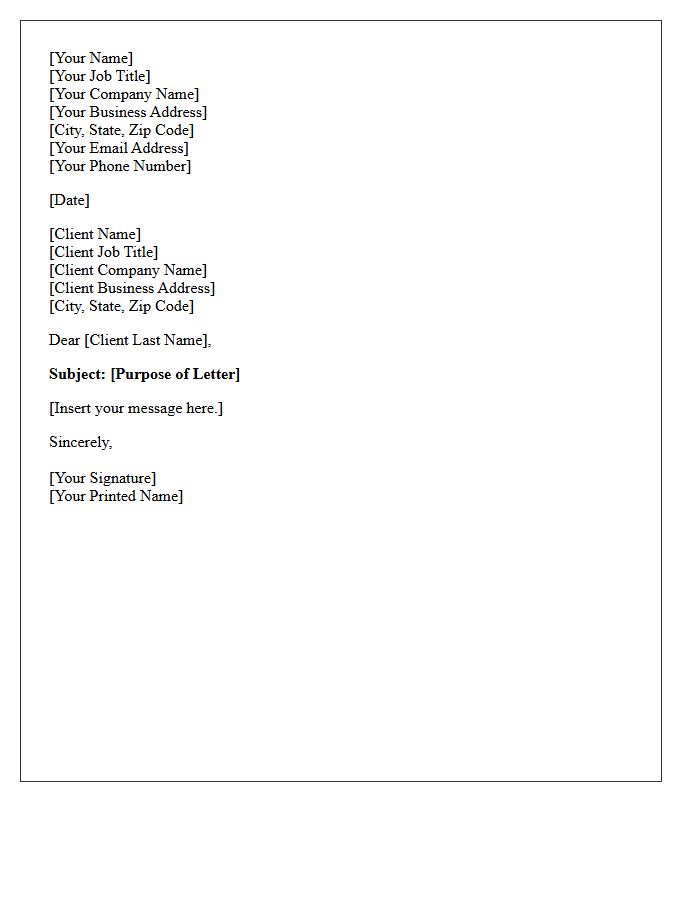
Accurate Client Addressee and Company Information is essential for professional communication and legal compliance. Always include the full legal entity name, registered office address, and specific contact person to ensure document validity. Verifying these details prevents billing errors and delivery failures. Proper formatting of professional titles and department names enhances brand credibility and streamlines correspondence. Maintaining an updated database of recipient data fosters stronger business relationships and ensures that all contractual obligations and invoices reach the correct authorized parties without unnecessary administrative delays.
Formal Salutation to the Client
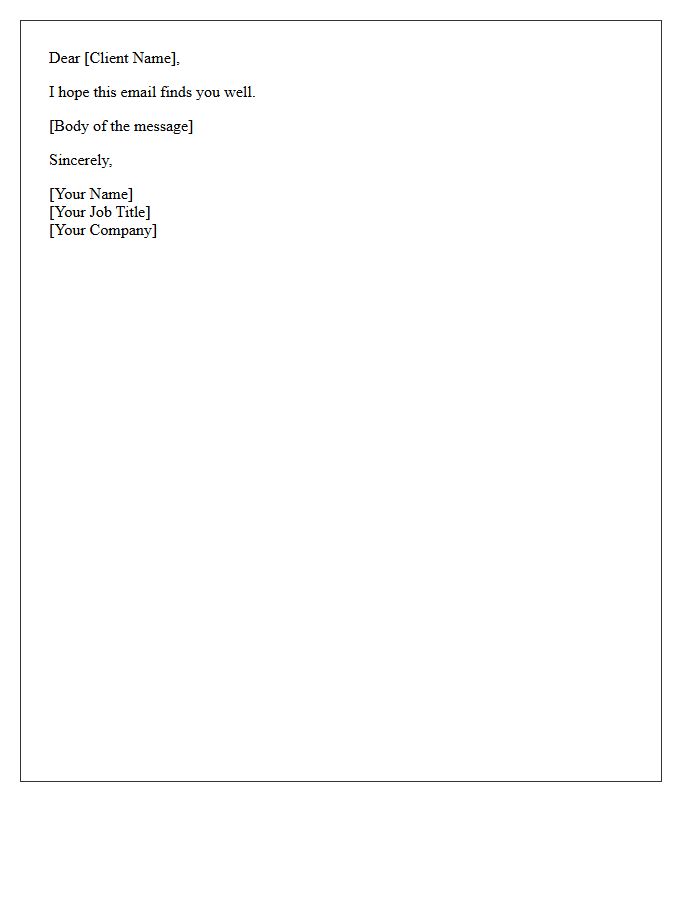
A formal salutation establishes professional rapport and respect in business communication. When the recipient's name is known, always use "Dear" followed by their honorific and surname for a polished impression. If the name is unavailable, "Dear Hiring Manager" or "Dear Client Team" serves as an appropriate substitute. Avoid overly casual greetings like "Hey" or "Hi" in initial outreach to maintain professionalism. Choosing the correct greeting reflects your attention to detail and sets a serious tone for the ongoing client relationship.
Subject Title Regarding Letter Agreeing to Bespoke Fee Structure
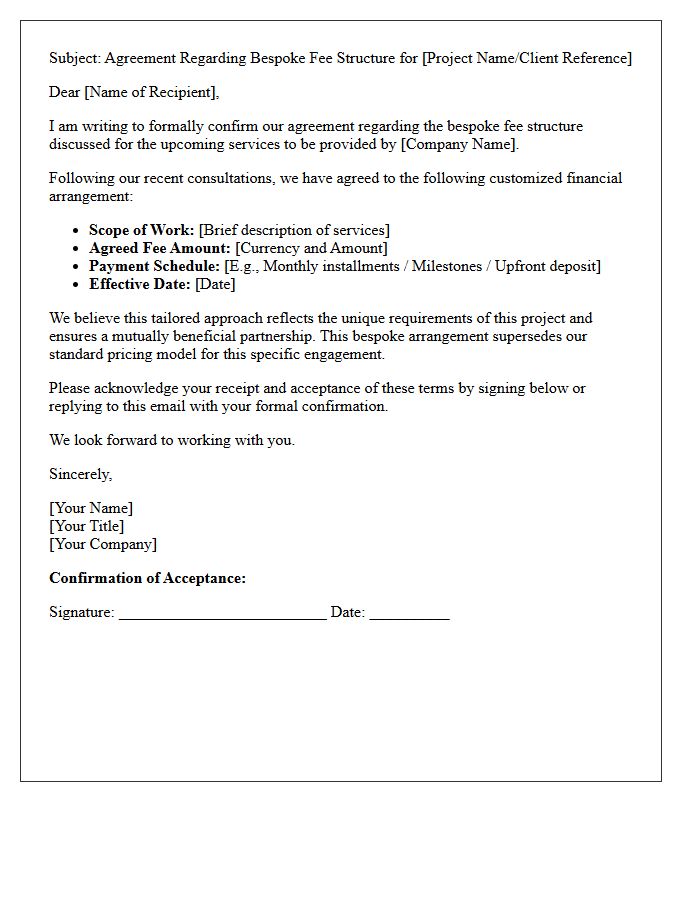
When drafting a Letter Agreeing to Bespoke Fee Structure, it is essential to clearly define the negotiated payment terms to prevent future disputes. This document serves as a formal acceptance of non-standard rates, outlining specific service milestones, hourly caps, or fixed-sum arrangements. Both parties must ensure the scope of work is explicitly detailed to maintain financial transparency and legal enforceability. This alignment ensures that the customized billing model accurately reflects the unique value provided while protecting the interests of the service provider and the client alike.
Acknowledgment of the Existing Terms of Business
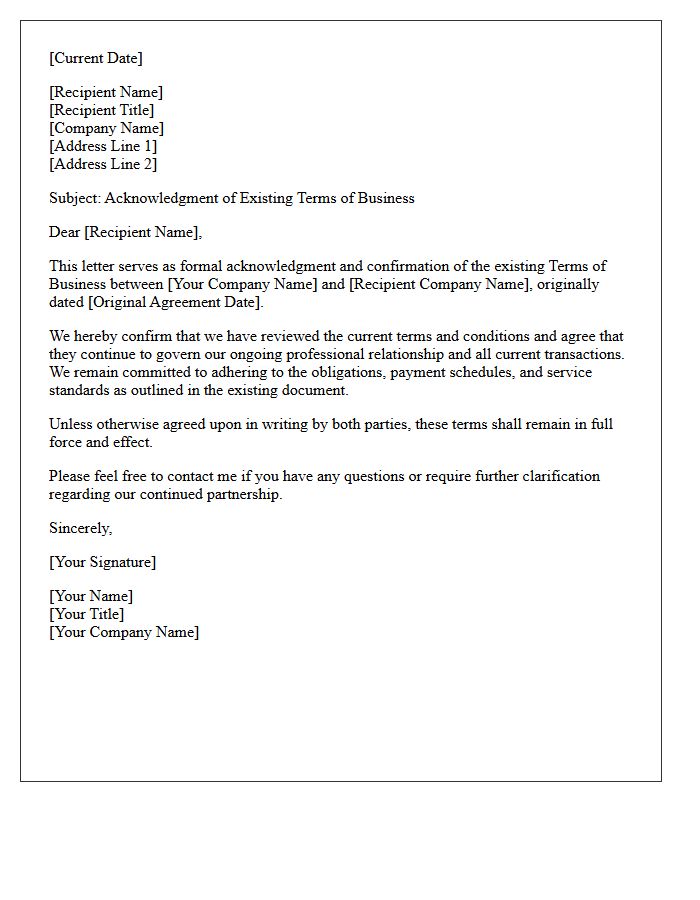
An Acknowledgment of the Existing Terms of Business is a formal confirmation that current contractual conditions remain in force. This document ensures that both parties recognize their ongoing obligations and rights without necessitating a complete renegotiation. It is vital for maintaining legal continuity during service extensions or minor administrative updates. By signing, you verify that you have read, understood, and accepted the prevailing regulatory framework, which helps prevent future disputes regarding service delivery, liability limits, and payment protocols within the established professional relationship.
Specification of the Bespoke Placement Fee Percentage
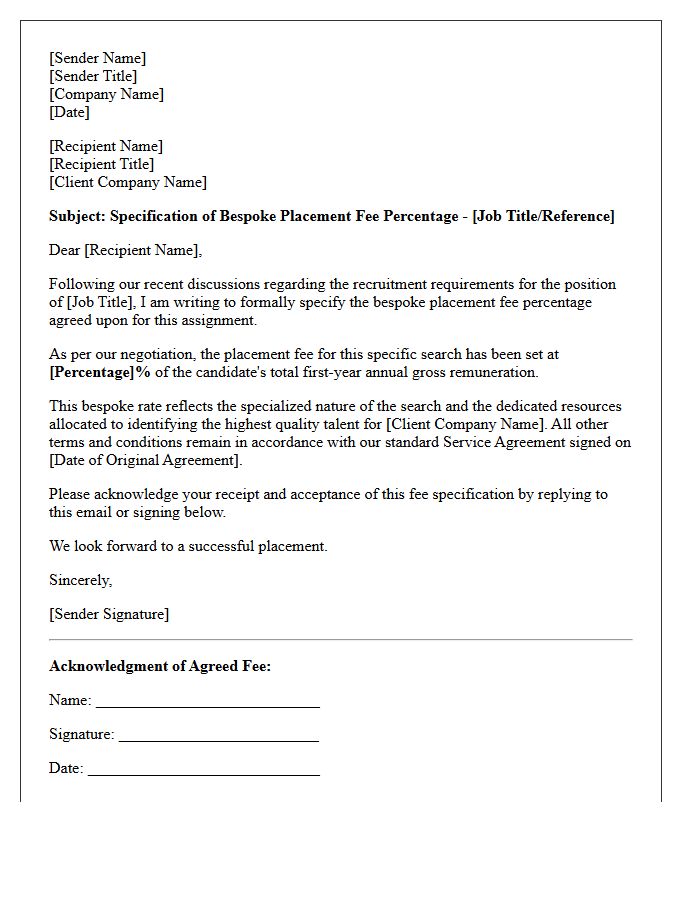
The Bespoke Placement Fee Percentage is a customized commission rate negotiated between recruiters and clients. Unlike standard flat rates, this negotiated figure reflects the complexity, seniority, and niche requirements of a specific job search. Key factors influencing this percentage include the market scarcity of talent and the anticipated time-to-hire. It is essential to formalize this agreed rate within a signed service level agreement (SLA) before recruitment begins to ensure transparent billing and align expectations regarding the total cost of talent acquisition services.
Adjustments to the Standard Rebate and Refund Schedule
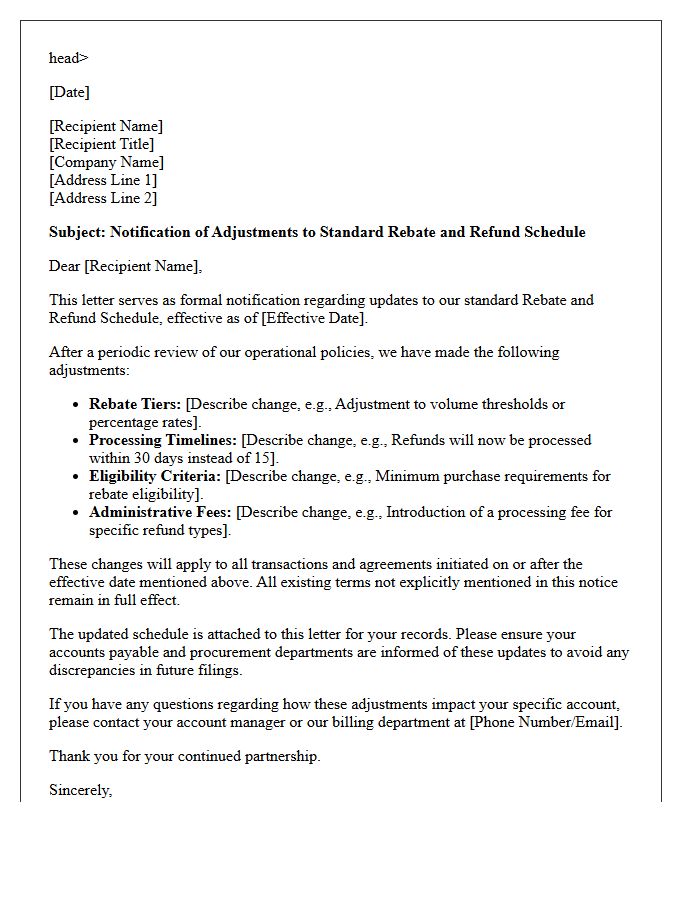
Changes to the Standard Rebate and Refund Schedule directly impact your financial returns and processing timelines. It is essential to review the updated eligibility criteria and submission deadlines to avoid payment delays. These adjustments often reflect new regulatory requirements or seasonal policy shifts. Staying informed ensures you maximize your reimbursement potential while maintaining full compliance with the revised terms. Always verify the effective date of these modifications to align your claims with the current fiscal cycle and ensure accurate record-keeping for future audits.
Stipulation of Exclusivity or Volume Requirements
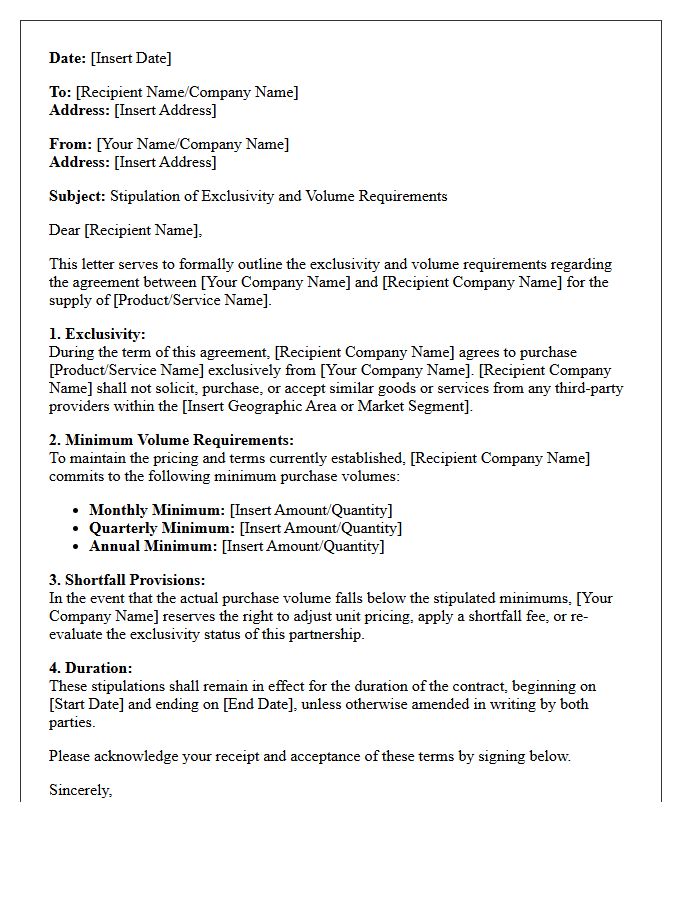
A Stipulation of Exclusivity or Volume Requirements clause restricts a buyer's ability to source goods from multiple suppliers. Exclusivity mandates that a party purchases solely from one vendor, while volume requirements set minimum purchase thresholds to maintain contract validity. These provisions are critical for supply chain stability and pricing leverage. However, they can create market dependency and legal risks regarding antitrust regulations. Businesses must carefully evaluate these terms to balance guaranteed inventory with the flexibility needed to adapt to changing market conditions or vendor performance issues.
Modifications to Standard Invoicing and Payment Terms
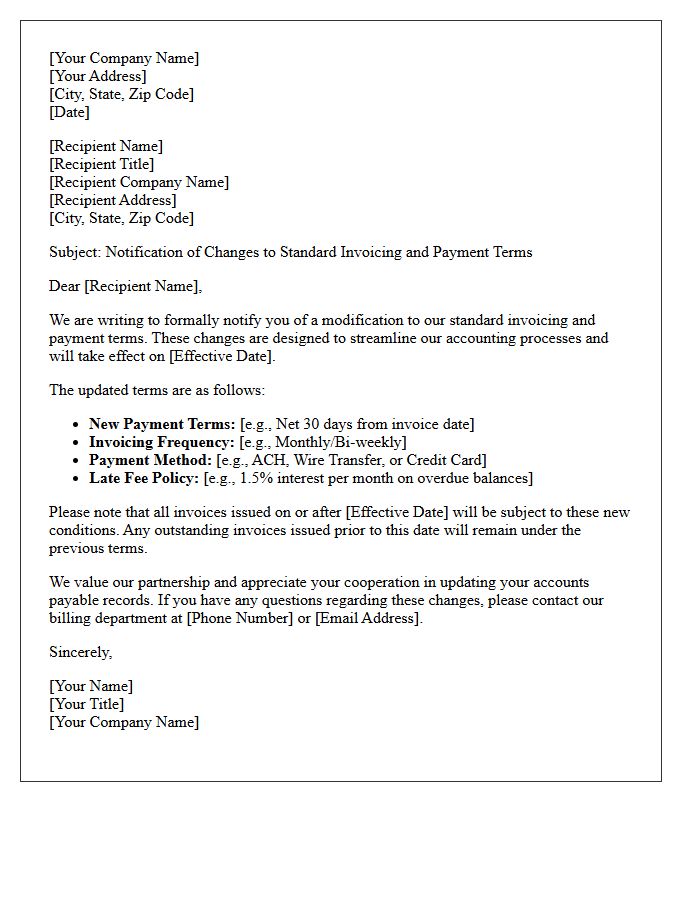
Adapting to modifications to standard invoicing requires a clear understanding of payment cycles and late fee structures. Businesses often negotiate custom terms to optimize cash flow and maintain liquidity. Key changes typically involve net payment durations, early settlement discounts, and mandatory electronic submission formats. Ensuring compliance with these updated protocols prevents processing delays and strengthens vendor relationships. Always document any deviations from standard agreements in writing to provide legal protection and ensure accurate financial forecasting for all parties involved in the transaction.
Validity Period for the Custom Pricing Agreement
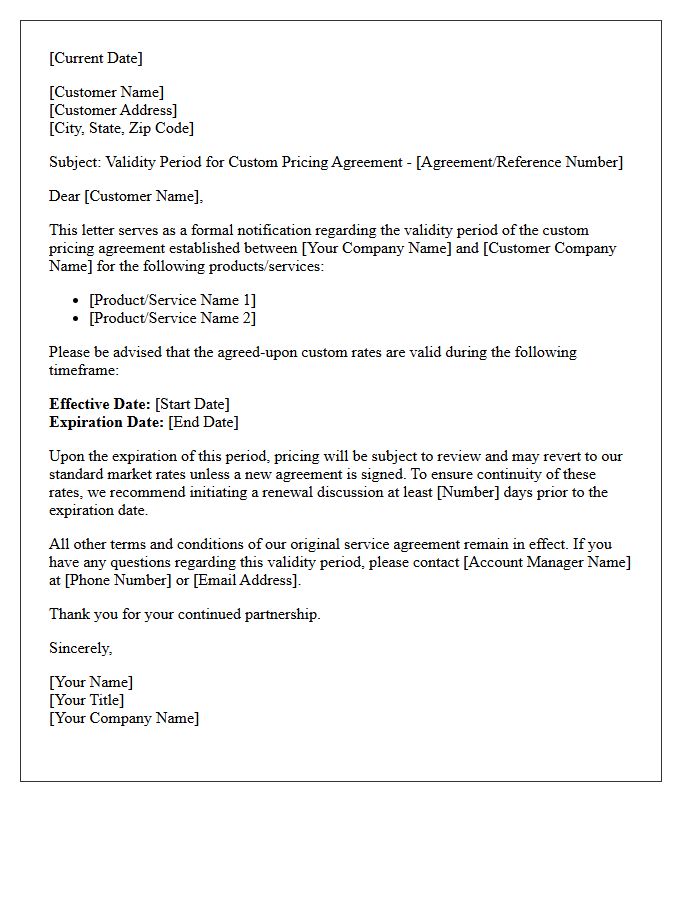
A Custom Pricing Agreement typically includes a specific validity period that defines when the negotiated rates apply. This timeframe ensures both parties understand the start and expiration dates of the discount. It is crucial to monitor these dates to avoid automatic reverts to standard pricing. Most agreements require a formal renewal or amendment before the term ends to maintain cost stability. Always verify the expiration date within your contract to ensure continuous budget predictability and prevent unexpected billing increases during procurement cycles.
Confirmation That All Other Standard Terms Remain Active
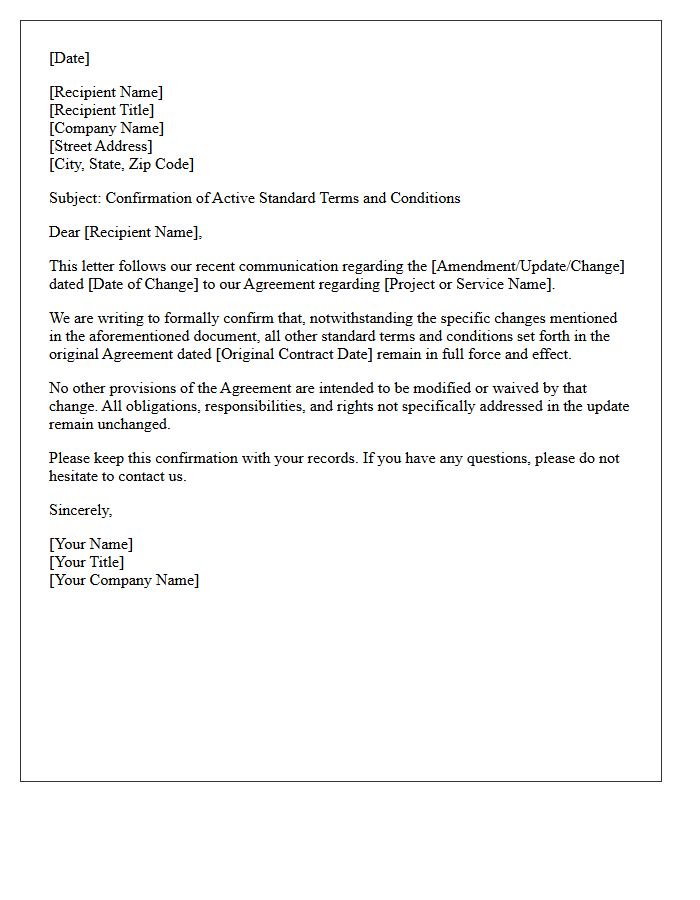
When executing an amendment or addendum, it is crucial to include a restatement clause. This legal provision provides confirmation that all other standard terms remain active and unchanged. By explicitly stating that original provisions continue in full force and effect, you prevent ambiguity and ensure the integrity of the initial agreement. This practice maintains contractual continuity, protecting both parties by ensuring that new modifications do not accidentally void existing obligations or essential protections defined within the primary document.
Request for Client Countersignature
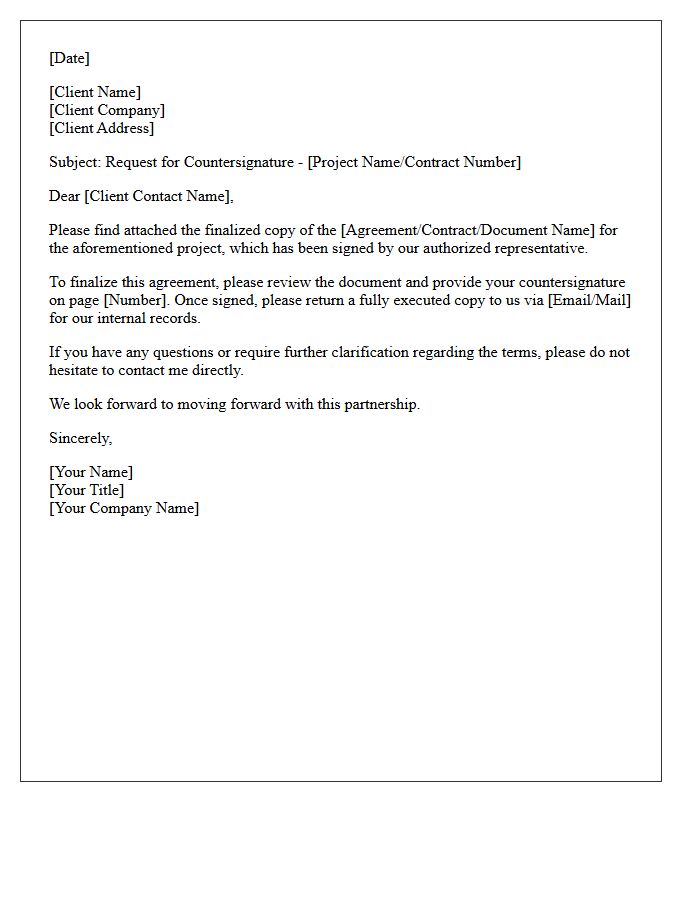
A request for client countersignature is the final step in validating a legal agreement. It occurs after one party has signed, requiring the client's signature to make the document legally binding and enforceable. This process ensures mutual consent and formalizes the obligations of all involved parties. Always verify that all terms are correct before providing a digital signature or physical ink. Once both parties sign, the contract becomes an official record, protecting your rights and establishing a clear professional framework for the partnership or transaction.
Professional Closing and Agency Signature
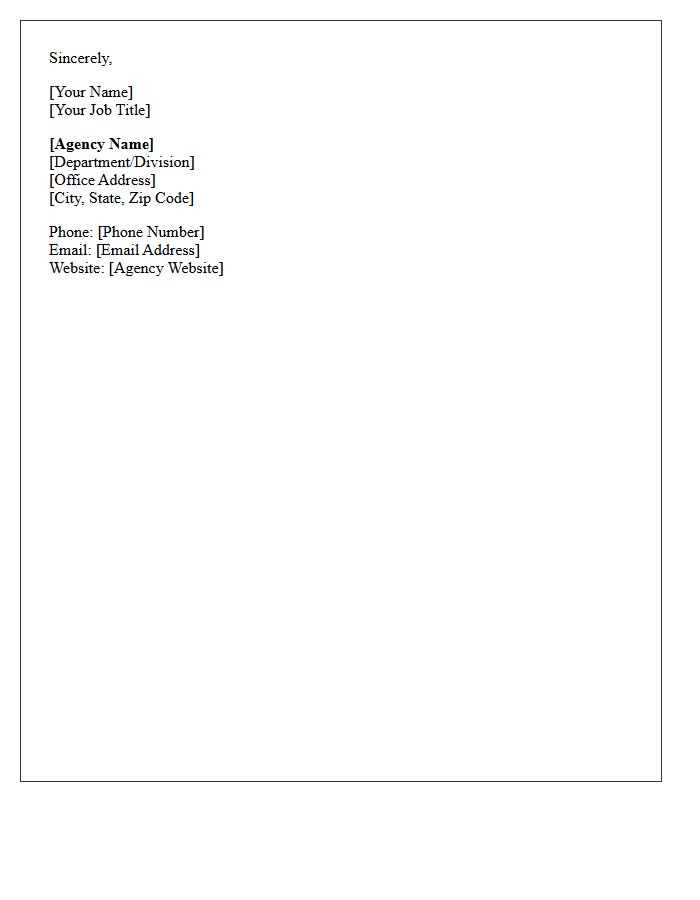
A professional closing establishes credibility and reinforces your brand's authority. It should include a polite sign-off followed by a comprehensive agency signature. This essential block must feature the sender's full name, job title, company logo, and verified contact details. Incorporating active social media links and a clear legal disclaimer ensures regulatory compliance and fosters trust. Consistency across all outgoing communications strengthens professional identity while providing recipients with seamless ways to connect, making it a critical component of effective business correspondence.
What is a letter agreeing to a bespoke fee structure?
This is a formal confirmation letter issued by a client or service provider formally accepting non-standard financial terms that deviate from the standard fee schedule outlined in the original Terms of Business.
How does a bespoke fee agreement impact the existing Terms of Business?
The letter acts as a formal amendment or addendum; while the general operational clauses of the Terms of Business remain in effect, the bespoke fee structure supersedes any previous pricing or payment provisions.
What key details should be included in a fee agreement confirmation letter?
The letter should clearly state the specific revised rates, the effective date of the new structure, the scope of services covered, and a reference to the original Terms of Business agreement.
Is a bespoke fee structure legally binding once agreed upon in writing?
Yes, once both parties sign or formally acknowledge the letter agreeing to the bespoke fee structure, it becomes a legally enforceable component of the contractual relationship.
Can a bespoke fee structure be renegotiated after the letter is issued?
A bespoke fee structure can be renegotiated if the scope of work changes significantly, provided that any further amendments are documented in a new letter of agreement or a formal contract variation.


Comments