
Managing healthcare accounts receivable requires clear communication. A Patient Medical Bill Initial Collection Letter serves as a professional first step to notify patients of outstanding balances while maintaining positive relationships. This guide explains how to balance empathy with firm payment requests to ensure timely reimbursement for services rendered. Below are some ready to use templates.
Image cover: Friendly Medical Billing Collection Letter Templates for Your Practice
Letter Samples List
- Initial Patient Medical Bill Collection Letter
- First Notice Medical Debt Collection Letter
- Patient Account Balance Initial Collection Letter
- Outstanding Medical Invoice First Collection Letter
- Initial Healthcare Services Debt Collection Letter
- Medical Practice Past Due Initial Collection Letter
- Patient Medical Services First Notice Letter
- Initial Medical Clinic Payment Request Letter
- Hospital Bill Initial Debt Collection Letter
- First Attempt Patient Medical Balance Letter
- Initial Medical Provider Debt Recovery Letter
- Patient Healthcare Debt Initial Contact Letter
Initial Patient Medical Bill Collection Letter
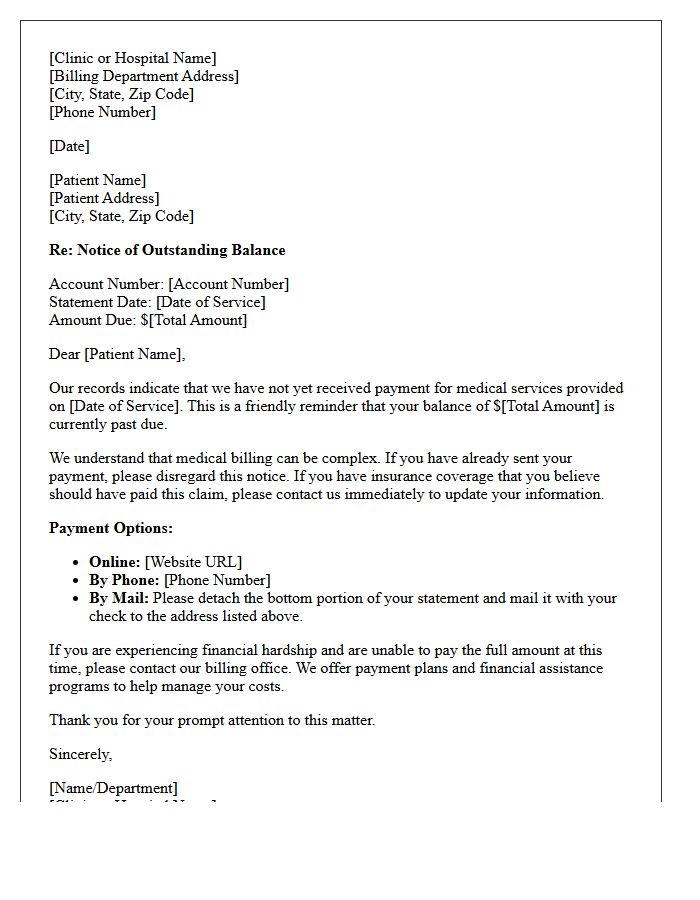
An Initial Patient Medical Bill Collection Letter serves as a formal notice to resolve unpaid healthcare balances. It is crucial for maintaining positive patient-provider relationships while ensuring steady cash flow. The document must clearly state the total amount owed, services rendered, and the payment deadline. To comply with federal regulations like the Fair Debt Collection Practices Act (FDCPA), the letter must include a validation notice, allowing patients thirty days to dispute the debt. Providing clear instructions and diverse payment options helps facilitate timely resolution and reduces the need for aggressive legal actions.
First Notice Medical Debt Collection Letter
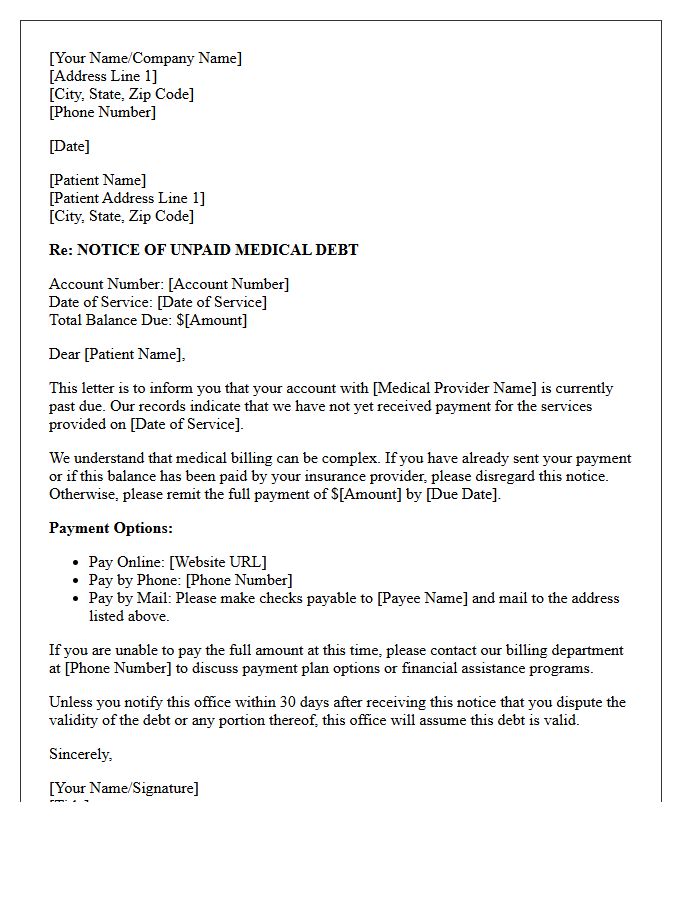
Receiving a First Notice Medical Debt Collection Letter marks the start of the legal validation period. It is crucial to request debt verification within 30 days to confirm the amount is accurate and your insurance was properly billed. This formal notice must include the amount owed and the creditor's name. Always review your Explanation of Benefits (EOB) before paying to avoid overcharges. Acting quickly prevents the account from negatively impacting your credit report under current federal consumer protection laws.
Patient Account Balance Initial Collection Letter
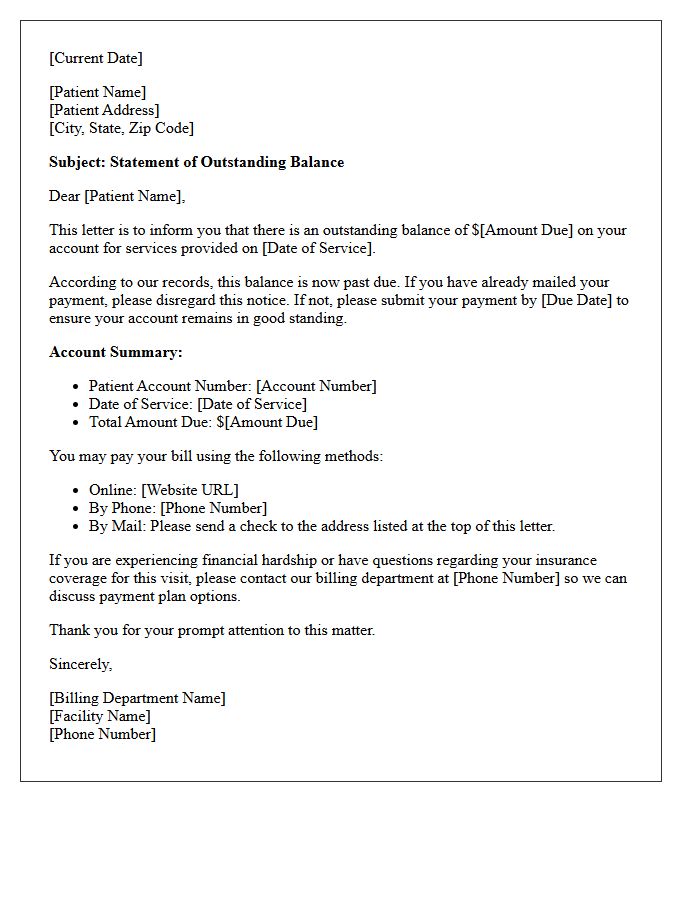
A Patient Account Balance Initial Collection Letter is a formal notification sent to debtors to request payment for outstanding medical services. This document serves as the first official notice in the recovery process, clearly detailing the total amount due and the original date of service. It must comply with federal regulations by providing a clear validation notice, giving patients thirty days to dispute the charges. Effective letters maintain a professional tone to encourage prompt resolution while preserving the provider-patient relationship and ensuring transparent communication regarding financial obligations.
Outstanding Medical Invoice First Collection Letter
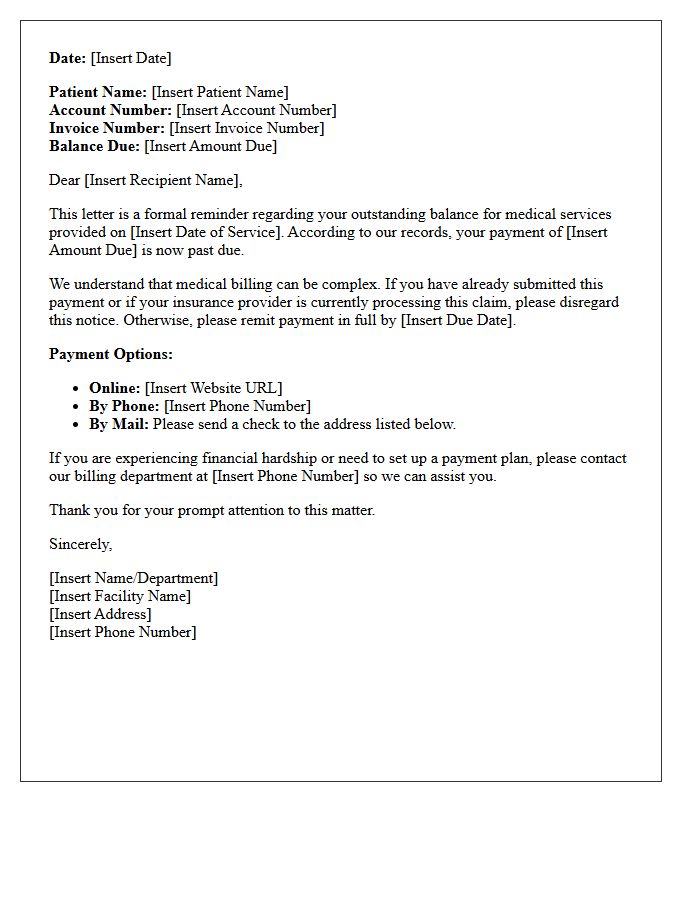
An outstanding medical invoice first collection letter serves as a formal reminder to resolve unpaid healthcare balances. Its primary purpose is to encourage prompt payment while maintaining a positive provider-patient relationship. The notice should clearly state the amount due, the original service date, and available payment options. Transparency is essential to avoid confusion or legal disputes. By addressing the debt early, patients can prevent the account from escalating to a third-party agency, protecting their credit score and ensuring continued access to necessary medical care through professional communication.
Initial Healthcare Services Debt Collection Letter
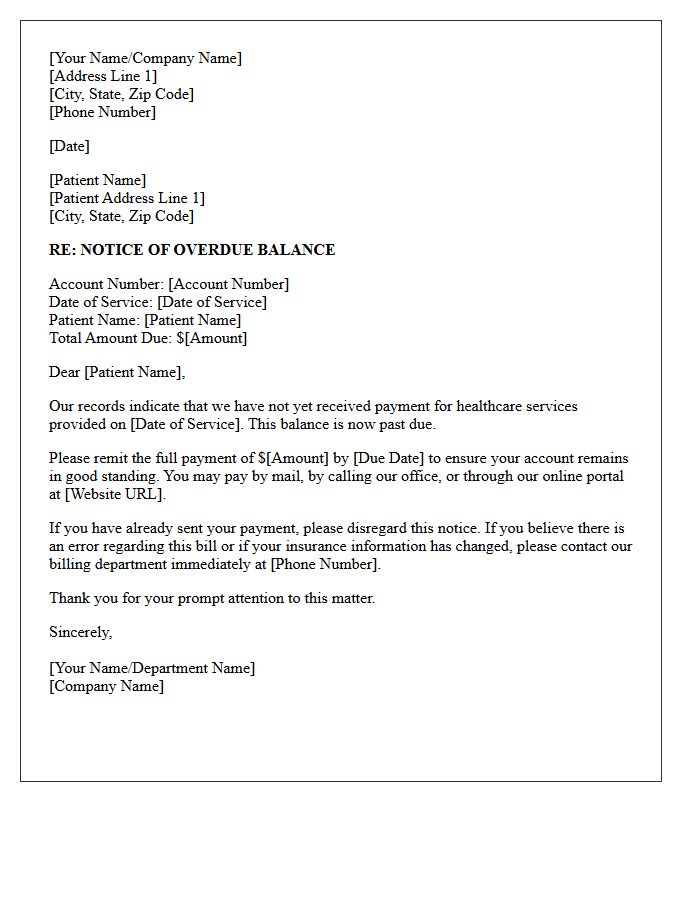
An initial healthcare services debt collection letter is a validation notice required by law to inform you of an outstanding medical balance. It is crucial to verify the debt within 30 days to ensure accuracy and prevent credit score damage. Always cross-reference the amount with your Explanation of Benefits (EOB) from your insurance provider to avoid overpayment. If the charges are incorrect or unaffordable, you can request debt validation or negotiate a payment plan directly with the agency to resolve the obligation efficiently.
Medical Practice Past Due Initial Collection Letter
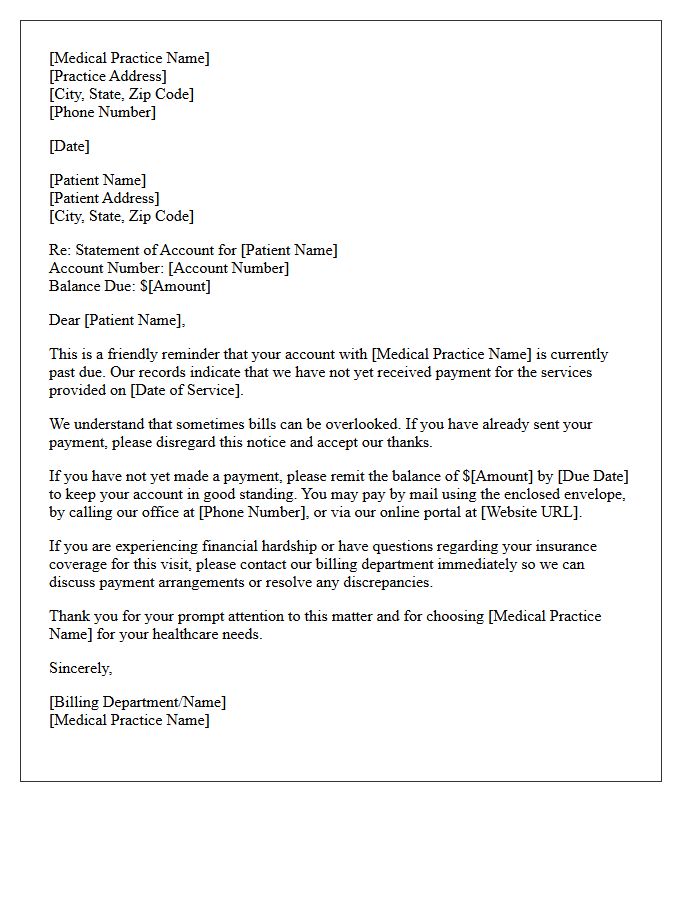
A medical practice past due initial collection letter serves as a formal notification to patients regarding outstanding balances. Its primary purpose is to encourage prompt payment while maintaining a positive provider-patient relationship. To be effective, the letter must clearly state the exact amount owed, the original service date, and available payment options. It should also include a specific deadline to prevent the account from escalating to advanced collection stages. Clear communication helps resolve billing discrepancies early, ensuring financial stability for the practice and clarity for the patient.
Patient Medical Services First Notice Letter
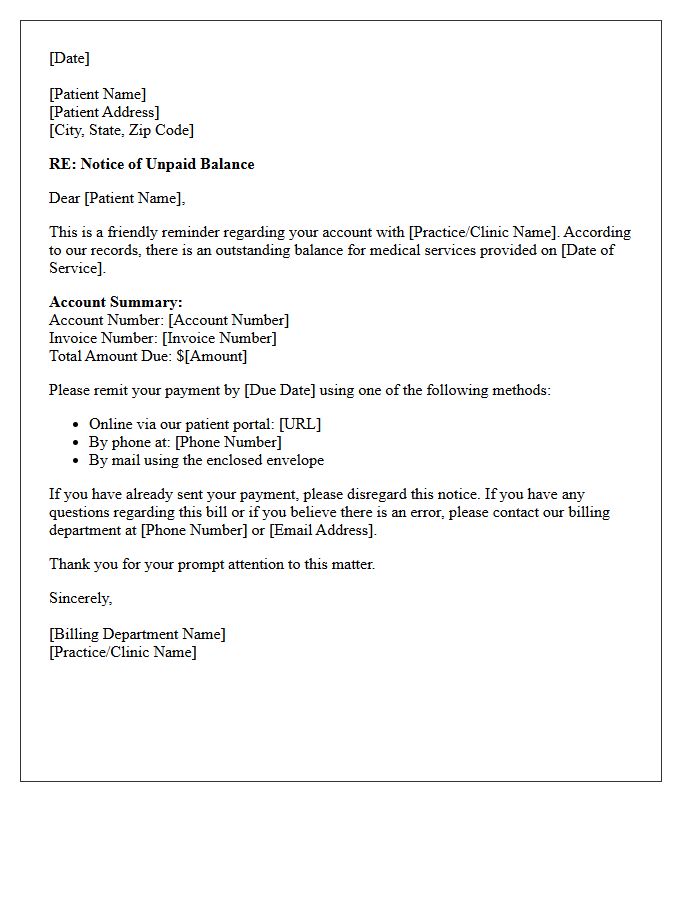
A First Notice Letter serves as the initial formal communication regarding outstanding patient medical services balances. This document provides a detailed summary of healthcare costs not covered by insurance. It is essential to review the statement for billing accuracy and verify all insurance adjustments immediately. Timely action is required to avoid delinquency or potential collection activities. Patients should utilize this period to arrange payment plans or resolve disputes with their provider to maintain a positive financial record and ensure uninterrupted access to future medical care.
Initial Medical Clinic Payment Request Letter
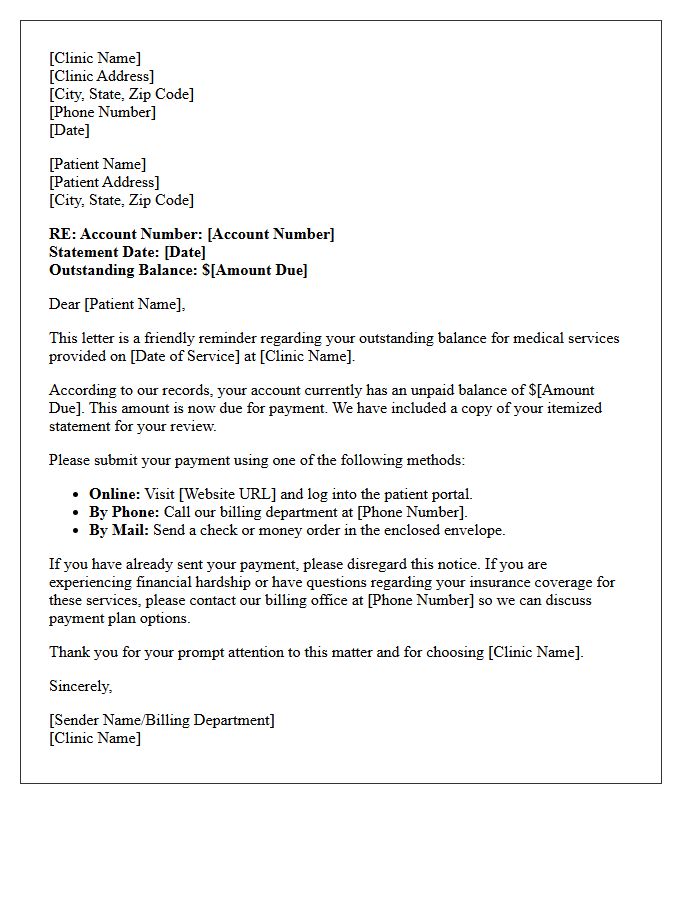
An Initial Medical Clinic Payment Request Letter serves as a formal notice to settle outstanding healthcare balances. It clearly outlines the total amount due, the specific services provided, and the deadline for remittance. To maintain a positive provider-patient relationship, these letters should be professional and include flexible payment options or insurance information. Promptly addressing this request prevents accounts from escalating to debt collection agencies. Always verify the billing details against your records for accuracy before submitting payment to ensure there are no clerical errors in your medical statement.
Hospital Bill Initial Debt Collection Letter
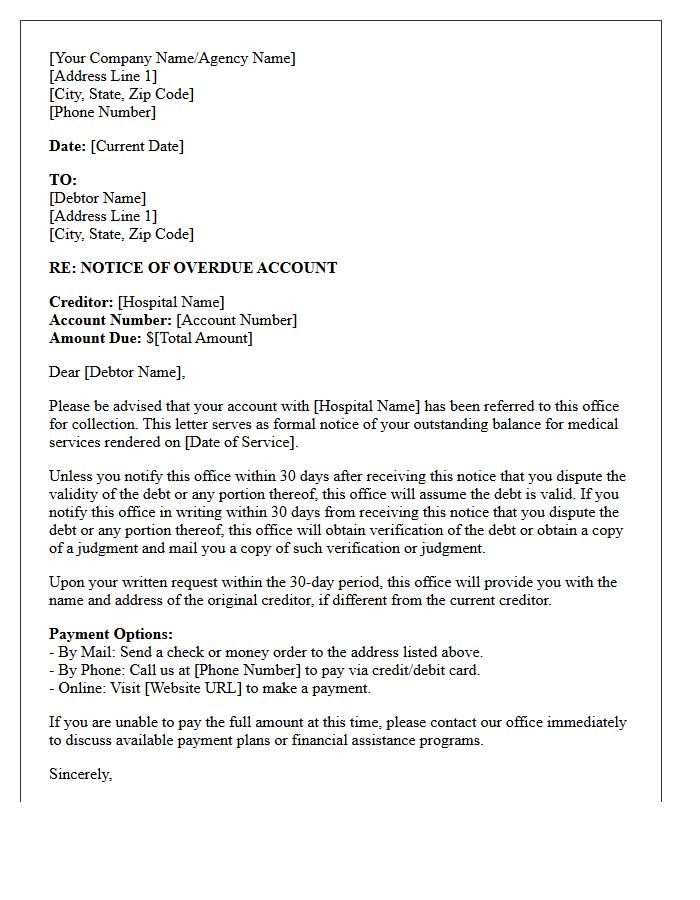
Receiving a hospital bill initial debt collection letter marks the beginning of the validation period. Under federal law, you have thirty days to request written debt verification to ensure the charges are accurate and belong to you. Before paying, compare the notice against your Explanation of Benefits (EOB) and request an itemized statement from the healthcare provider. This allows you to identify billing errors or insurance discrepancies. Promptly responding in writing protects your consumer rights and prevents the medical debt from negatively impacting your credit score.
First Attempt Patient Medical Balance Letter
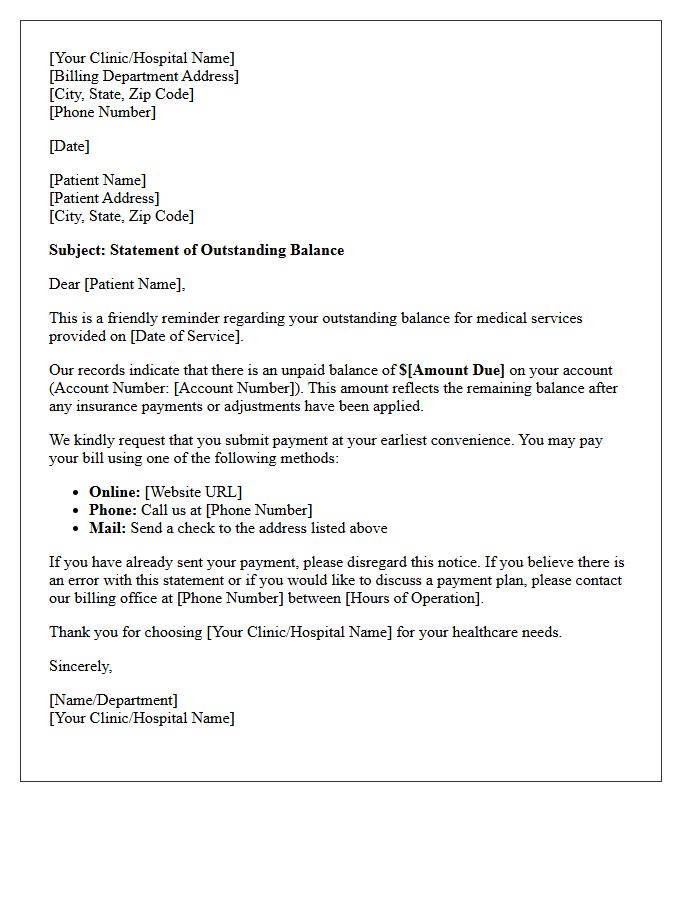
A First Attempt Patient Medical Balance Letter is the initial formal notification sent to a patient regarding an outstanding debt. This document serves as a courtesy reminder to resolve unpaid co-pays or deductibles before the account escalates. It must clearly state the services rendered, the total amount due, and available payment methods. Clear communication at this stage improves collection rates and maintains a positive patient-provider relationship by offering transparency regarding financial obligations and potential assistance options before involving a third-party agency.
Initial Medical Provider Debt Recovery Letter
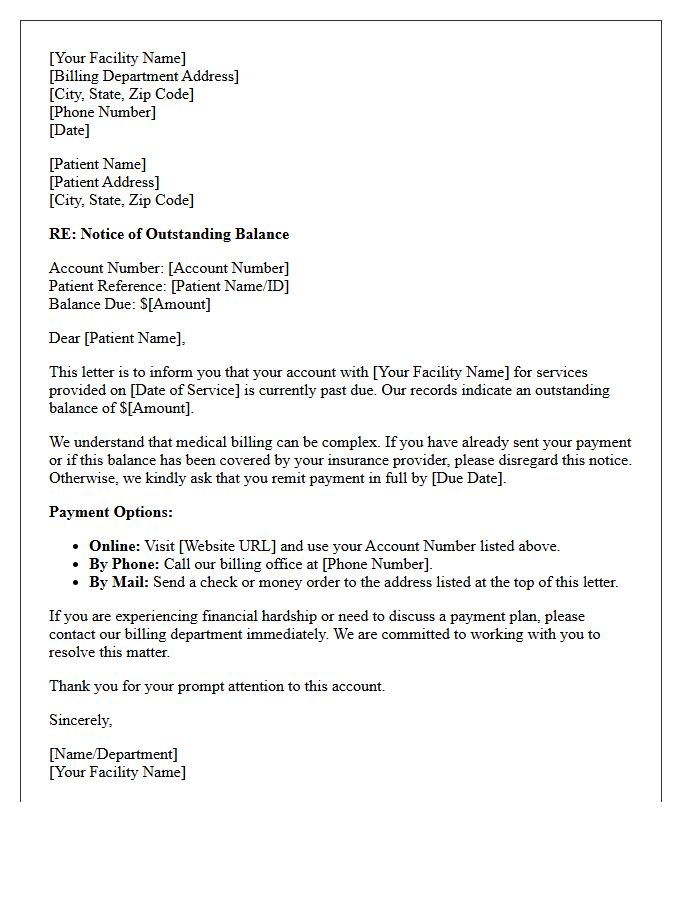
An Initial Medical Provider Debt Recovery Letter serves as the first formal step in securing outstanding healthcare payments. This document outlines precise billing details, including services rendered and the total balance due. Its primary goal is to encourage voluntary settlement while maintaining a positive patient-provider relationship. It must comply with Fair Debt Collection Practices Act (FDCPA) guidelines to ensure legal validity. By clearly stating payment deadlines and available financial assistance options, providers can effectively improve cash flow and reduce the need for aggressive third-party collection agencies.
Patient Healthcare Debt Initial Contact Letter
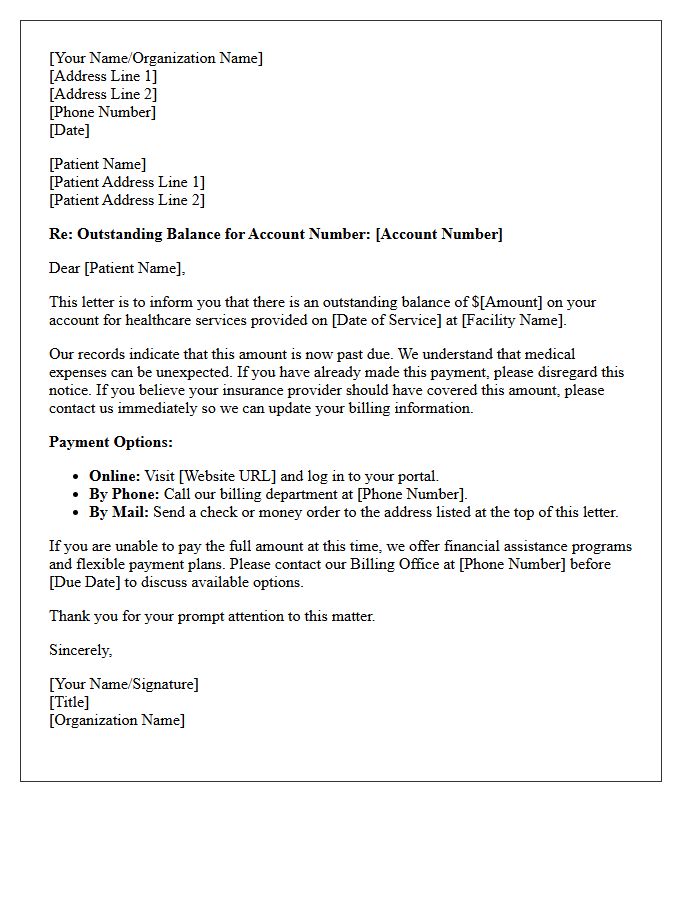
When receiving a Patient Healthcare Debt Initial Contact Letter, you must verify all details immediately. This formal notice marks the beginning of the validation period, granting you thirty days to dispute the charges in writing. Ensure the document includes the creditor's name, the exact amount owed, and your consumer rights under the Fair Debt Collection Practices Act. Always compare the balance against your Explanation of Benefits to avoid paying for billing errors or services already covered by insurance. Timely communication is essential to protect your credit score and financial health.
What should I do if I receive an initial medical bill collection letter?
You should immediately review the letter for accuracy, compare it with your Explanation of Benefits (EOB) from your insurance provider, and contact the billing office to verify the balance or set up a payment plan.
How can I verify if a medical debt collection notice is legitimate?
Check the letter for the "Validation Notice," which must include the amount owed, the name of the creditor, and a statement of your right to dispute the debt within 30 days under the Fair Debt Collection Practices Act (FDCPA).
Can I dispute a medical bill after receiving a collection letter?
Yes, you have the legal right to dispute the debt in writing within 30 days of receiving the initial notice. The collection agency must then provide verification of the debt before continuing collection efforts.
Will receiving a medical collection letter impact my credit score immediately?
Under current credit reporting regulations, there is a one-year waiting period before medical debt appears on your credit report, and paid medical debts or those under $500 are typically not reported by the major credit bureaus.
What options are available if I cannot afford to pay the full amount on the collection letter?
Most medical billing offices and agencies offer financial assistance programs, hardship waivers, or interest-free monthly payment plans to help patients resolve their outstanding balances without legal action.


Comments