
A Lease Violation Notice serves as a formal warning for tenants who consistently fail to pay rent on time. Managing chronic late payments is essential for maintaining cash flow and ensuring lease compliance. This document outlines the consequences of repeated delays and protects the landlord's legal rights. To help you address this issue professionally, below are some ready to use templates.
Image cover: Formal Notice for Chronic Late Rent: Templates and Compliance Guide
Letter Samples List
- Property Management Company Header
- Date of Lease Violation Letter Issuance
- Tenant Full Name and Property Address
- Subject Regarding Chronic Late Rent Payments
- Formal Salutation to the Addressed Tenant
- Official Statement of Repeated Rent Delays
- Specific Dates of Previous Late Transactions
- Reference to the Lease Agreement Payment Clause
- Demand for Strict Adherence to the Payment Schedule
- Warning of Potential Eviction for Future Violations
- Instructions for Submitting Any Outstanding Balances
- Property Management Office Direct Contact Information
- Formal Closing and Signature of the Property Manager
Property Management Company Header
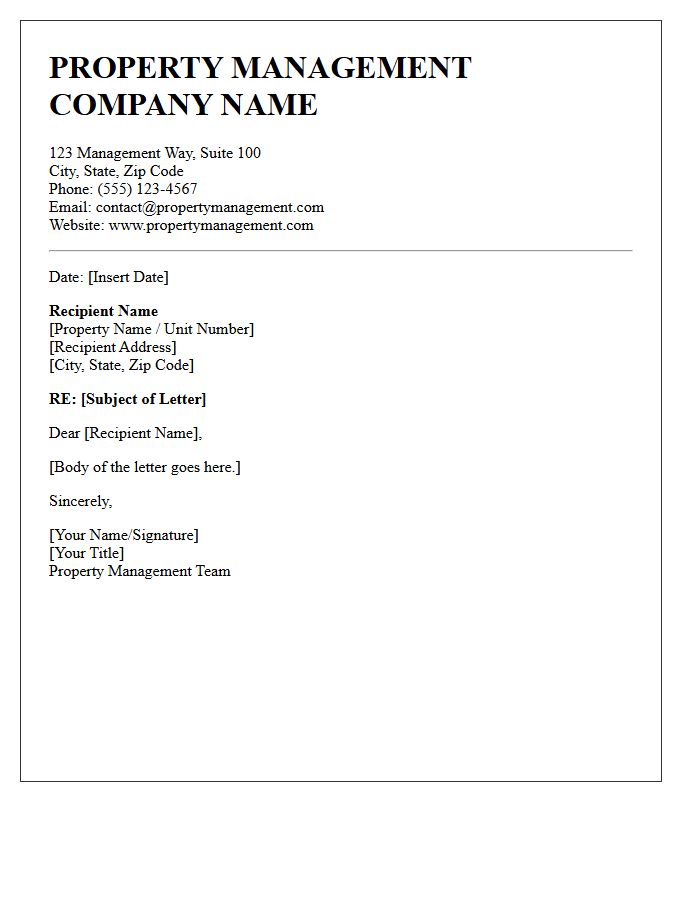
A professional property management company header must establish brand authority and provide immediate accessibility. It should prominently feature the company logo alongside clear contact information, such as a direct phone number and physical address. Incorporating a navigation menu allows users to easily find rental listings, owner portals, and maintenance request forms. High-quality imagery and a cohesive color scheme build trust with property owners and tenants alike. This essential element ensures a seamless user experience while reinforcing the agency's credibility and professional identity across all digital platforms.
Date of Lease Violation Letter Issuance
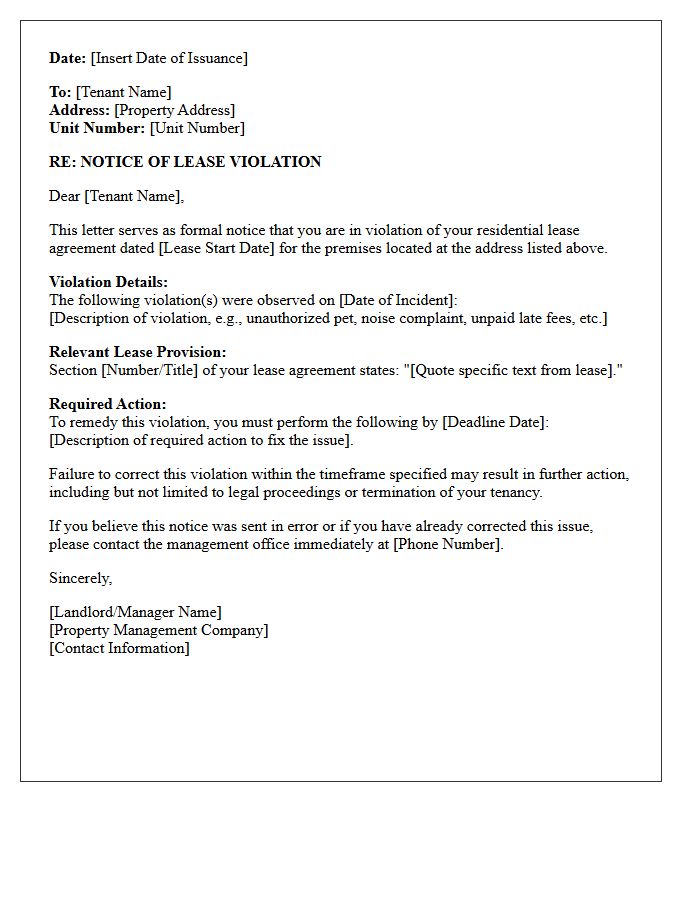
The Date of Lease Violation Letter Issuance is a critical element for legal compliance in property management. It serves as the official timestamp for the statutory notice period, determining when a tenant must cure a breach or vacate the premises. Accurately documenting this date ensures the enforceability of future eviction proceedings. Landlords must align the issuance date with the delivery method to satisfy due process requirements and avoid administrative delays. Timely notification protects the rights of both parties while establishing a clear timeline for resolving contractual non-compliance.
Tenant Full Name and Property Address
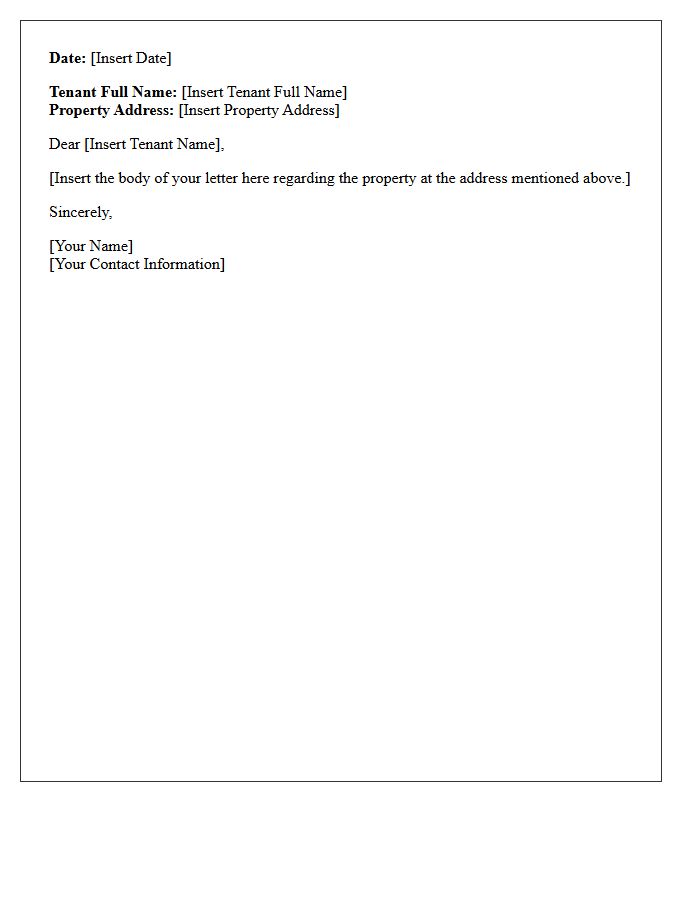
Providing the Tenant Full Name and Property Address is essential for creating legally binding rental agreements. These details uniquely identify the parties involved and the specific location under contract, ensuring clear communication for maintenance requests, official notices, and rent collection. Accuracy prevents administrative errors and protects legal rights for both landlords and tenants during the tenancy period. Always verify these identifiers against official identification and title deeds to maintain a valid and professional record within your property management documentation.
Subject Regarding Chronic Late Rent Payments
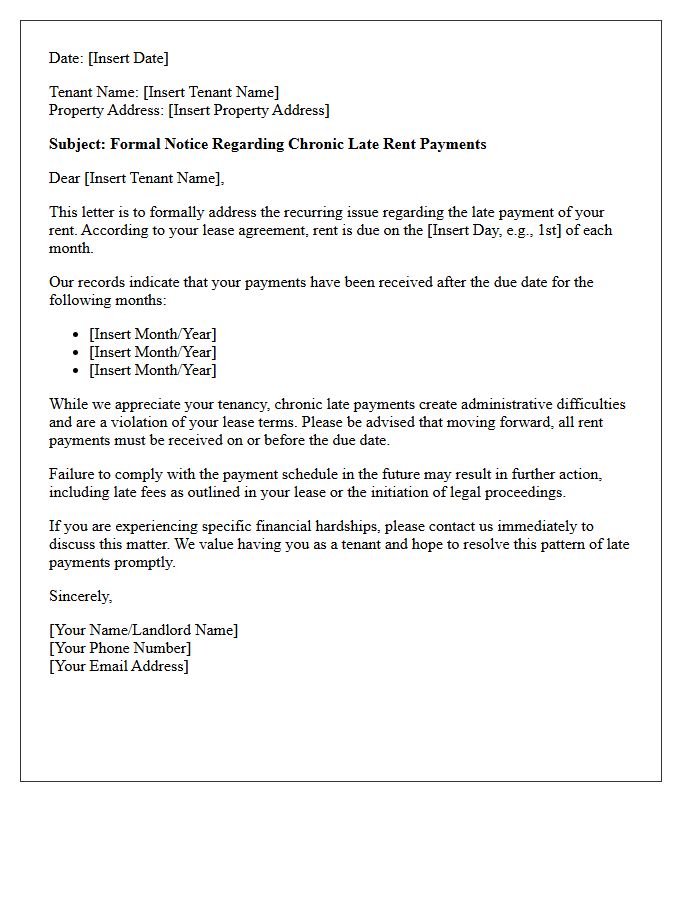
Chronic late rent payments can lead to severe consequences, including eviction and legal action. Consistently failing to pay on time breaches the lease agreement, damaging your rental history and lowering your credit score. Landlords may impose recurring late fees or refuse lease renewals. To avoid these issues, prioritize open communication with your landlord and explore financial assistance or payment plans if necessary. Maintaining a record of timely payments is essential for securing future housing and maintaining a positive professional relationship with property managers.
Formal Salutation to the Addressed Tenant
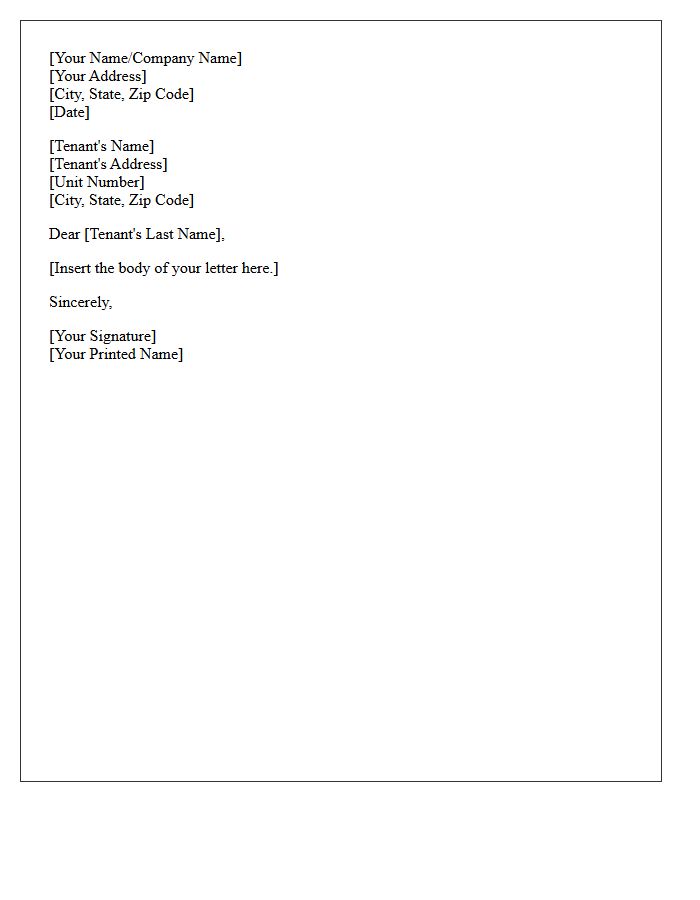
When drafting a formal notice, always use a professional salutation to maintain legal validity and mutual respect. The most appropriate format includes the tenant's full legal name as stated on the lease agreement. Standard professional greetings such as "Dear [Tenant Name]," ensure clear communication and documentation. Avoid overly casual language, as this correspondence often serves as a legal record in housing matters. Addressing the tenant correctly establishes a serious tone and ensures that the intended recipient is properly identified for all official residential purposes.
Official Statement of Repeated Rent Delays
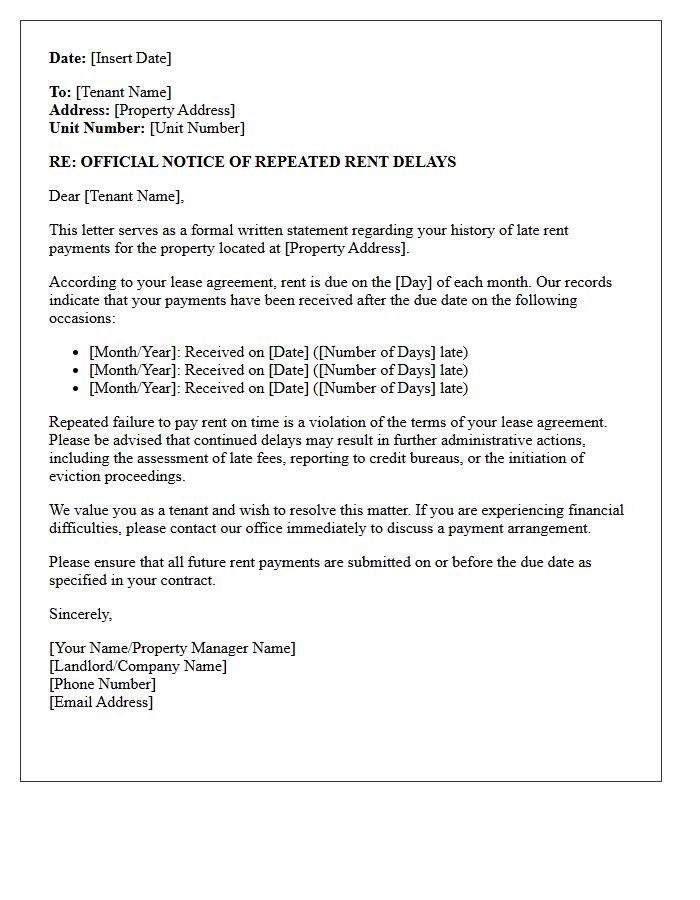
An Official Statement of Repeated Rent Delays serves as formal documentation of a tenant's consistent failure to meet payment deadlines. This written notice establishes a legal record of chronic delinquency, which is essential if a landlord decides to pursue eviction or non-renewal of a lease. It clearly outlines the specific dates of late payments and reinforces the terms of the rental agreement. Issuing this statement ensures professional communication and provides necessary evidence for potential legal proceedings or debt recovery efforts regarding persistent financial breaches.
Specific Dates of Previous Late Transactions
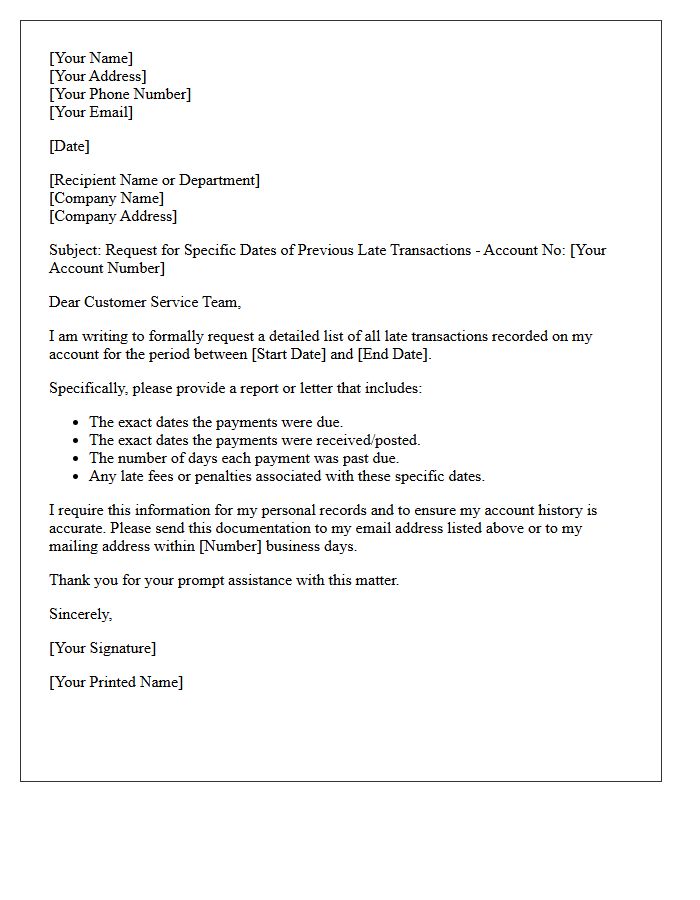
Lenders track specific dates of previous late transactions to assess your credit risk and financial reliability. These timestamps indicate whether a payment was missed by 30, 60, or 90 days, directly impacting your credit score. Historical delinquency data remains on reports for up to seven years, influencing loan approvals and interest rates. Monitoring these exact dates helps borrowers identify billing cycles and dispute inaccuracies. Understanding the timing of past defaults is essential for implementing a recovery strategy and demonstrating improved fiscal responsibility to future creditors.
Reference to the Lease Agreement Payment Clause
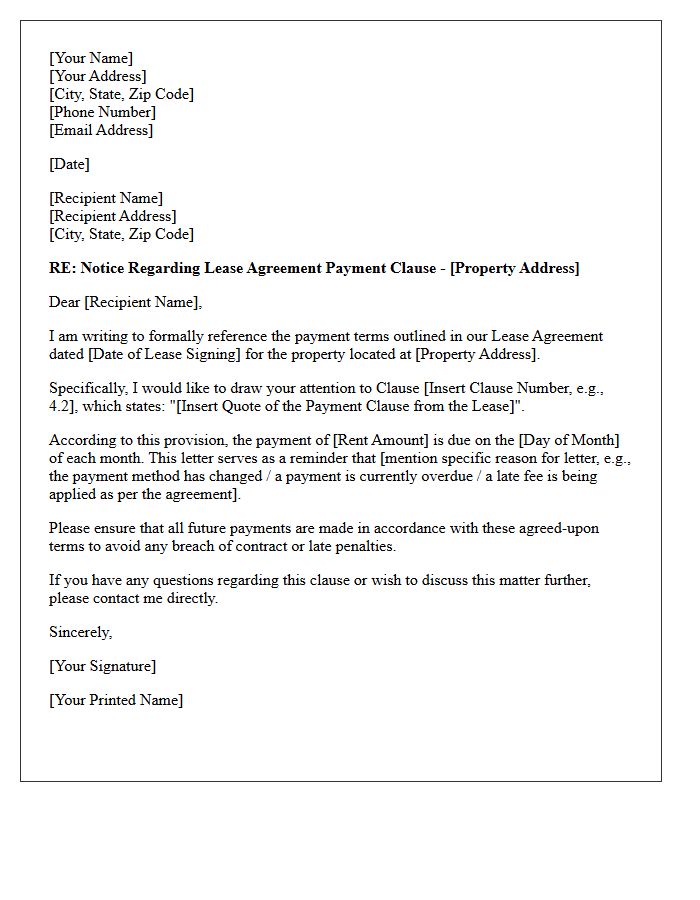
The Lease Agreement Payment Clause is a critical legal provision that defines the financial obligations of a tenant. It specifies the exact rent amount, accepted payment methods, and strict deadlines for submission. This clause also outlines penalties for late fees and grace periods to ensure transparency. Understanding these terms is essential to avoid breach of contract or potential eviction. Both parties must verify the frequency of payments and any additional costs, such as utilities or maintenance fees, explicitly mentioned within this section to maintain a professional landlord-tenant relationship.
Demand for Strict Adherence to the Payment Schedule
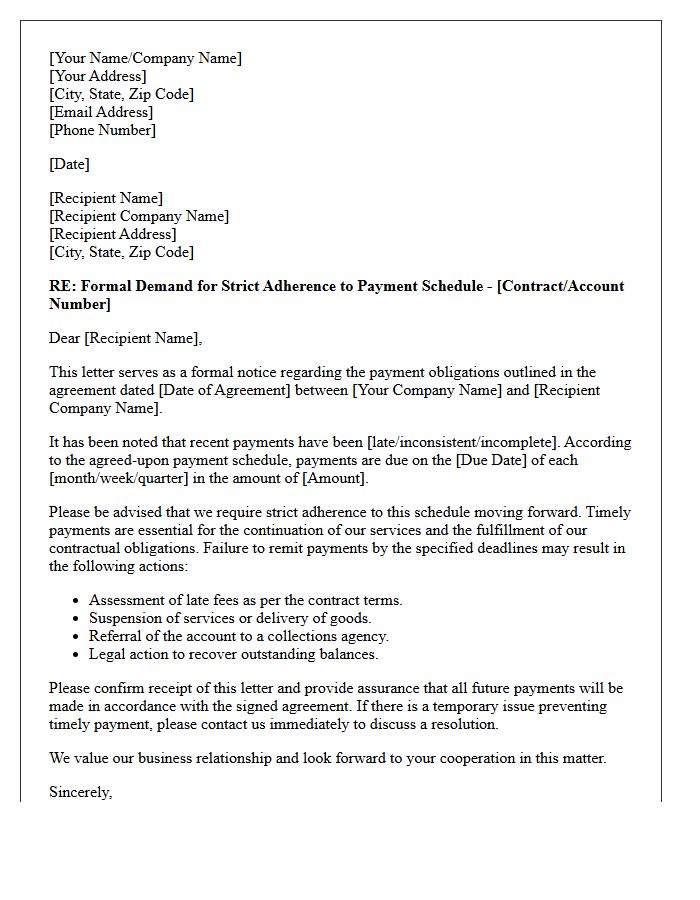
Ensuring strict adherence to the payment schedule is vital for maintaining healthy cash flow and operational stability. When businesses demand timely compensation, they mitigate the risks of bad debt and financial bottlenecks. Clearly defined milestones and contractual deadlines prevent disputes, ensuring that services continue without interruption. Failure to follow the agreed timeline can lead to late fees, legal consequences, or a total breach of contract. Consistent enforcement of these terms fosters professional accountability and secures the long-term financial integrity of any commercial agreement or project.
Warning of Potential Eviction for Future Violations
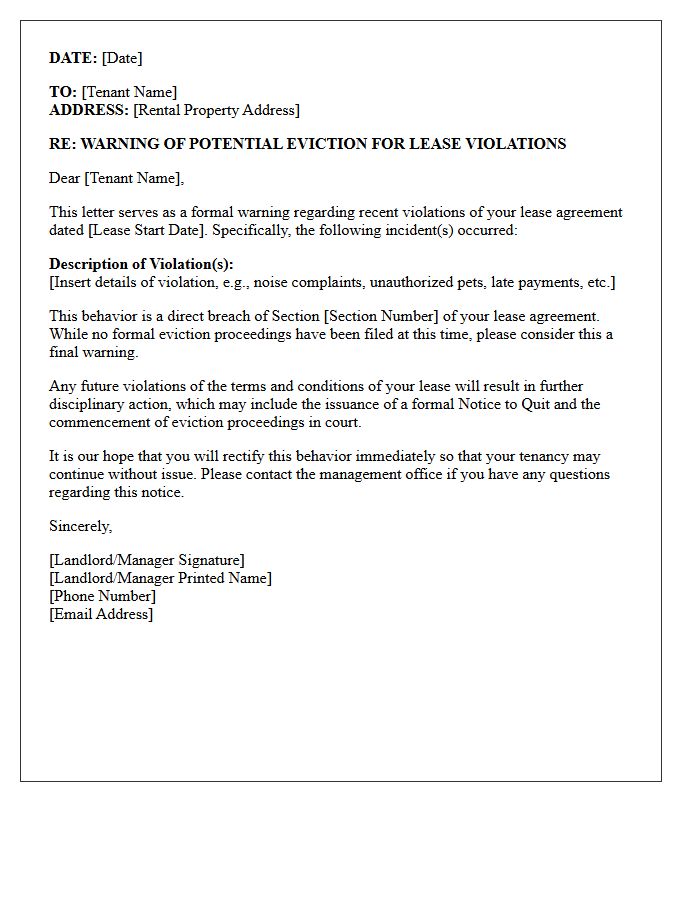
A warning of potential eviction serves as a formal legal notice that any future lease violations will lead to the immediate termination of your tenancy. It is crucial to remedy current breaches and strictly adhere to all rental agreement terms to avoid court proceedings. This document creates a permanent record of non-compliance, which landlords use as evidence in legal filings. Understanding your tenant rights and maintaining consistent behavioral standards are essential to preventing displacement and protecting your future housing stability and credit history.
Instructions for Submitting Any Outstanding Balances
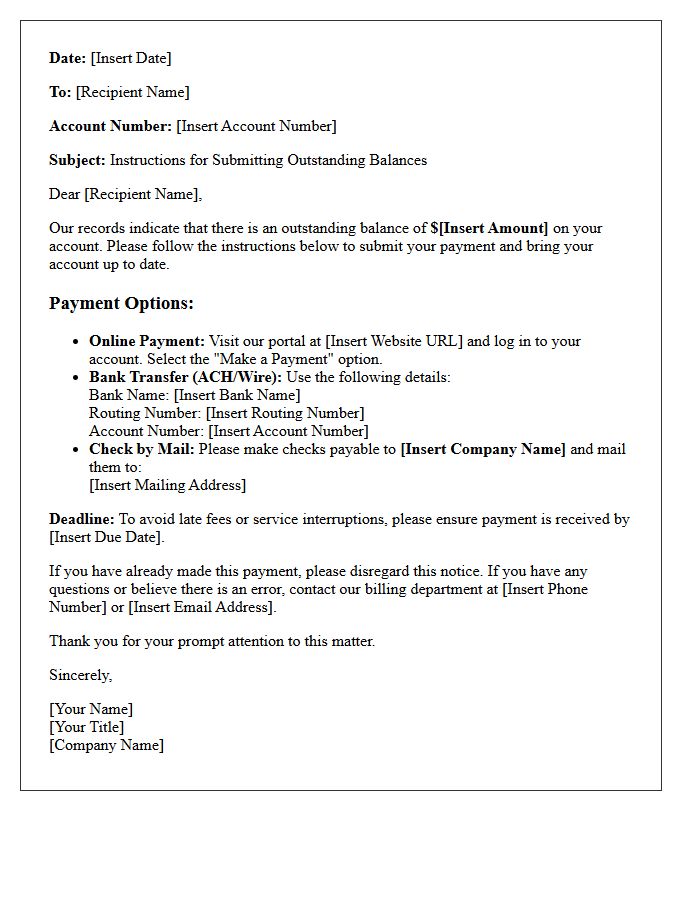
To settle outstanding balances, please log into your account portal and select the secure payment option. Ensure you verify the exact invoice number before processing the transaction to guarantee accurate credit to your file. We accept major credit cards, bank transfers, and electronic checks for your convenience. All payments must be received by the stated due date to avoid late fees or service interruptions. For your records, always save the confirmation receipt after completion. If you encounter any discrepancies, contact our billing department immediately for assistance.
Property Management Office Direct Contact Information
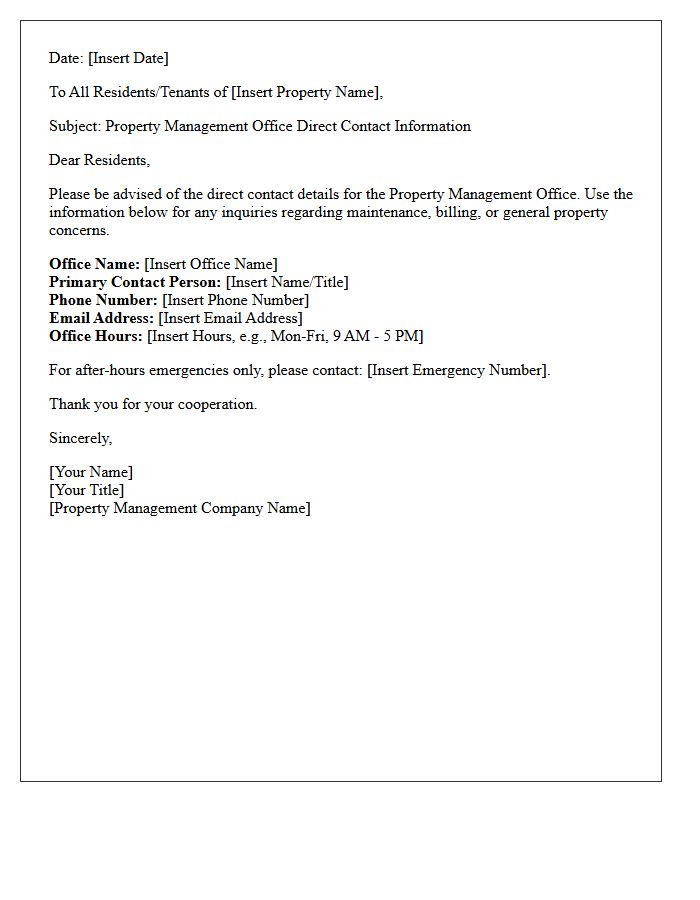
Having direct contact information for your property management office is essential for resolving urgent maintenance issues or lease inquiries. Always keep their emergency phone number and primary email address saved to ensure rapid communication. This direct access bypasses general call centers, connecting you immediately with authorized staff who can manage on-site repairs or administrative updates. Periodically verify these details, as management personnel or office hours may change, ensuring you always have a reliable point of contact for your home or investment property.
Formal Closing and Signature of the Property Manager
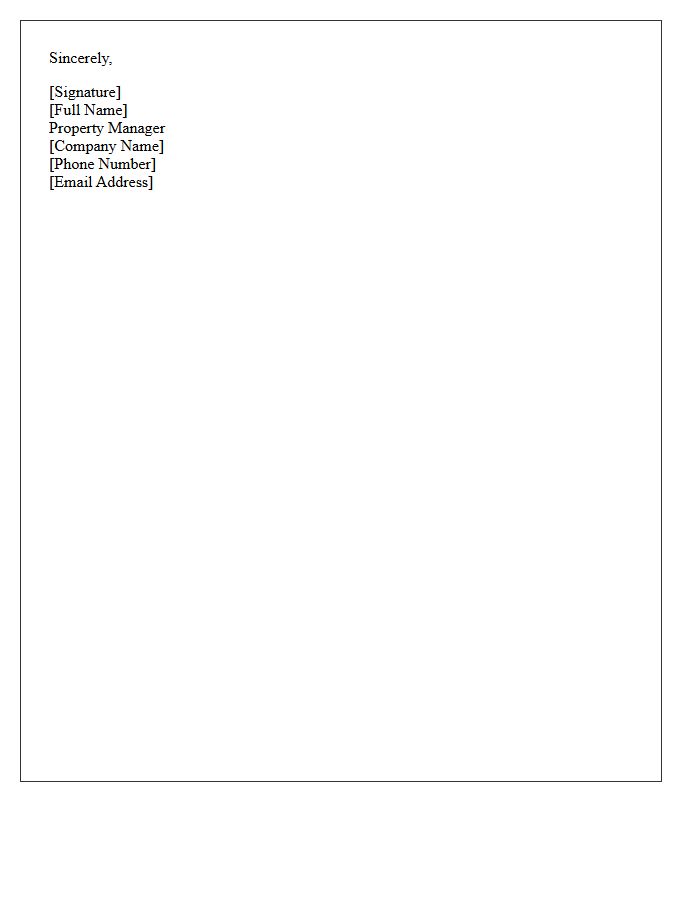
The Formal Closing and Signature of a property manager ensures legal accountability and professional integrity. It serves as a binding authentication of official documents, such as lease agreements or notices. This section must include the manager's full legal name, title, and the name of the management company to verify their authority. A clear signature validates the document's contents, providing transparency for both owners and tenants. Maintaining consistent formatting in this final element reinforces the professional standards and legal validity of all property-related communications.
What is a Lease Violation Notice for chronic late rent payments?
A Lease Violation Notice for chronic late rent payments is a formal legal document issued by a landlord to a tenant who consistently fails to pay rent by the due date specified in the lease agreement. It serves as an official warning that the pattern of delinquency breaches the contract and may lead to eviction if the behavior continues.
Can a landlord evict a tenant for consistently paying rent late?
Yes, most lease agreements contain a "time is of the essence" clause, meaning rent must be paid on or before the due date. While a single late payment may only incur a fee, a pattern of "chronic" lateness is considered a material breach of the lease, providing legal grounds for the landlord to terminate the tenancy even if the rent is eventually paid.
What should be included in a formal notice for late rent violations?
The notice should include the date of issuance, the tenant's name and address, specific dates of previous late payments, total outstanding late fees (if applicable), and a clear statement that further late payments will result in lease termination or eviction proceedings. It should also reference the specific section of the lease agreement being violated.
How many late payments are typically considered "chronic"?
While specific state laws vary, "chronic" lateness is generally defined as three or more late payments within a 12-month period. Some jurisdictions allow landlords to issue a "Notice to Cease" after the second late payment, establishing a legal trail before filing for an Unlawful Detainer or eviction action.
Does a tenant have a "cure" period after receiving a chronic lateness notice?
A "Notice to Cure or Quit" typically gives the tenant a set number of days (usually 3 to 10) to pay any outstanding balances. However, in cases of chronic lateness, the "cure" is often the consistent timely payment of rent moving forward. If the tenant pays late again after receiving the notice, the landlord may have the right to proceed with eviction without further warnings.

Comments