
Organizations must prioritize Statutory Data Breach Legal Compliance to protect consumer privacy and avoid heavy regulatory penalties. Understanding specific state and federal notification requirements is essential for a swift, lawful response after a security incident. This guide outlines mandatory reporting timelines and necessary disclosure protocols to ensure your business remains compliant. To assist your efforts, below are some ready to use template.
Image cover: Statutory Data Breach Notification: Compliance Standards and Legal Templates
Letter Samples List
- Official Banking Institution Letterhead
- Date Of Letter Issuance
- Recipient Name And Registered Account Address
- Notice Of Statutory Data Breach Legal Compliance Letter
- Detailed Description Of The Security Incident
- Specific Customer Financial Data Compromised
- Internal Containment And Remediation Measures Executed
- Official Notification To Statutory Regulatory Authorities
- Provision Of Complimentary Credit Monitoring Services
- Recommended Security Actions For Bank Customers
- Dedicated Data Breach Support Hotline Information
- Authorized Signature Of Chief Privacy Officer
Official Banking Institution Letterhead
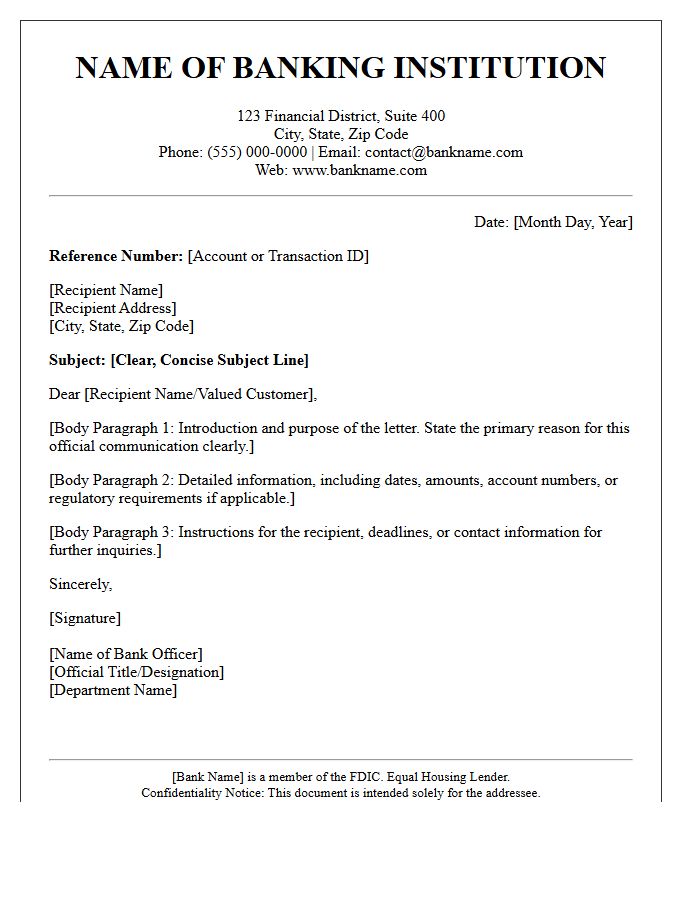
An official banking institution letterhead serves as critical authentication for financial correspondence. It must feature the bank's legal name, logo, registered office address, and contact details. These elements verify the document's legitimacy, ensuring it is recognized by government agencies and legal bodies worldwide. For high-value transactions or visa applications, a letterhead confirms the bank's integrity and protects against fraud. Always ensure the letter includes an authorized signature and official stamp, as these components validate the information as formal, binding evidence of your financial standing.
Date Of Letter Issuance

The Date of Letter Issuance is the official calendar day a formal document is processed and released. It serves as the legal baseline for calculating deadlines, expiration periods, and response windows. In regulatory or contractual contexts, this date often marks the commencement of binding obligations. Always verify this date upon receipt to ensure compliance with time-sensitive requirements, as it may differ from the date the letter was drafted or delivered. Accurate tracking of this timeline is essential for maintaining procedural validity in administrative and legal affairs.
Recipient Name And Registered Account Address
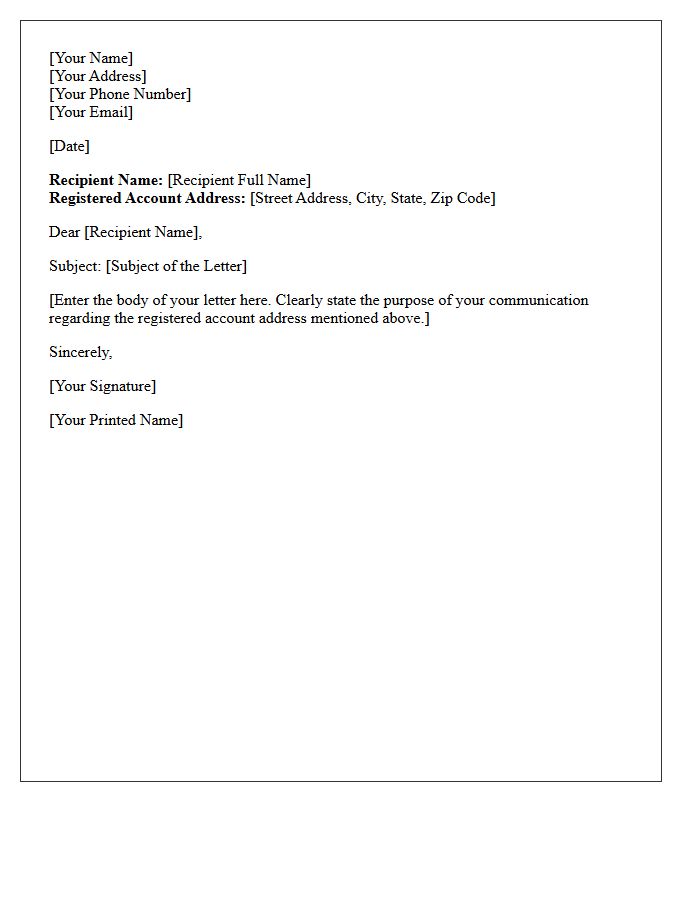
When sending funds, the Recipient Name must precisely match the legal identity associated with the Registered Account Address. Financial institutions use these details to verify ownership and prevent fraudulent activity. Ensuring that the physical or digital address is current and officially documented on the banking profile is crucial for successful cross-border compliance and transaction processing. Discrepancies between these two fields often lead to payment delays, rejections, or additional security reviews by the receiving bank.
Notice Of Statutory Data Breach Legal Compliance Letter
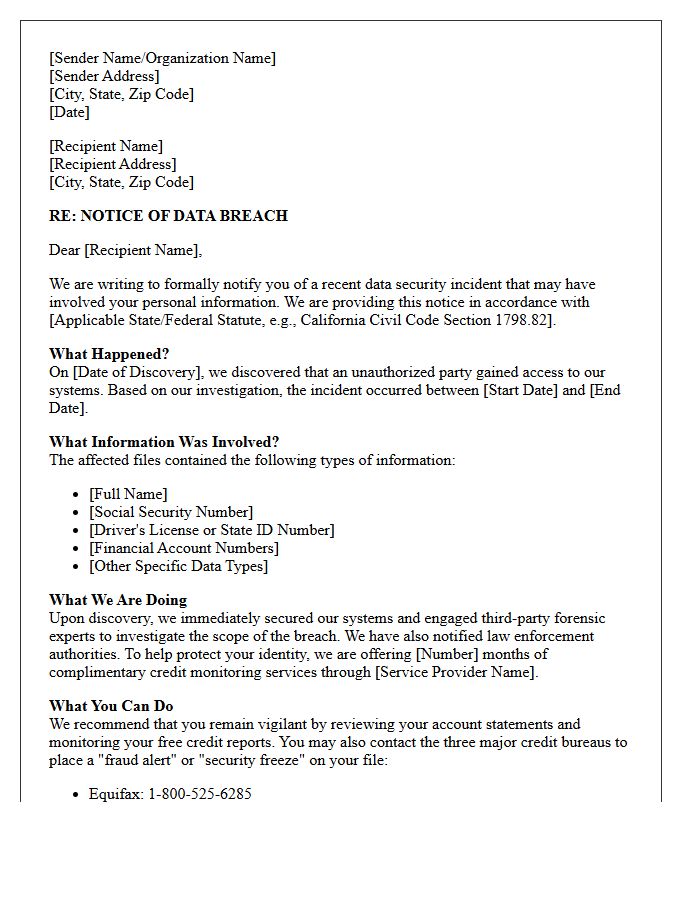
A Notice of Statutory Data Breach Legal Compliance Letter is a critical document sent to regulators and affected individuals following a cybersecurity incident. It ensures adherence to data protection laws like GDPR or CCPA by detailing the breach's nature, compromised information, and remediation steps. Failure to provide this mandatory notification within specific legal timeframes can result in severe financial penalties and litigation. Proper compliance demonstrates transparency and helps mitigate legal liability while guiding recipients on how to protect their personal identity and sensitive data from further unauthorized use.
Detailed Description Of The Security Incident
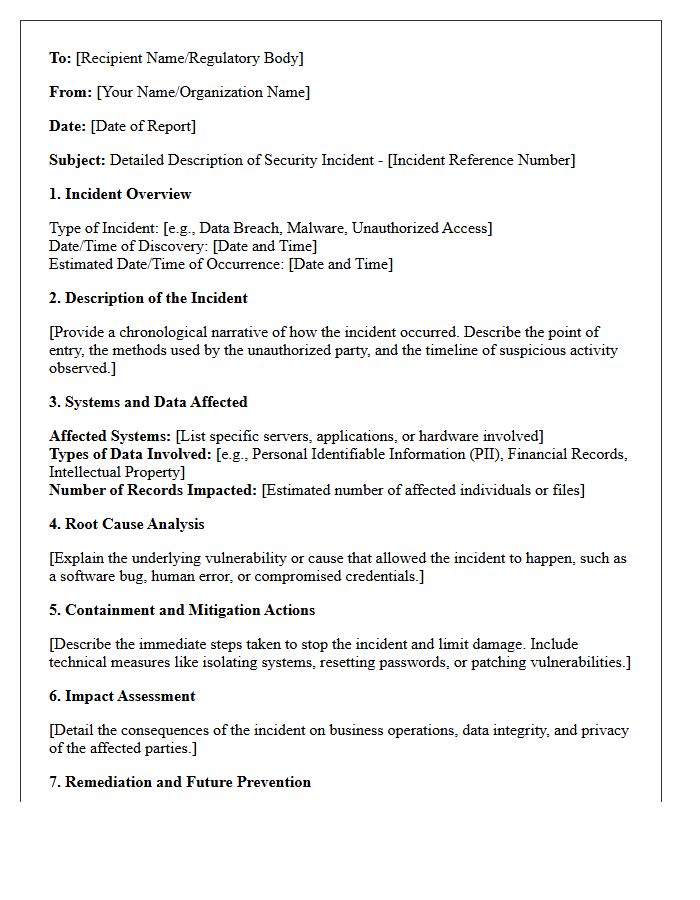
A security incident involves any unauthorized access or event that threatens the confidentiality, integrity, or availability of digital assets. Documenting a detailed description is critical for incident response and forensic analysis. This report must capture the specific timeframe, entry vectors, affected systems, and the nature of the data breach. Clear documentation enables organizations to mitigate risks, identify vulnerabilities, and ensure regulatory compliance. Understanding the sequence of events helps security teams implement stronger safeguards against future threats, ensuring long-term operational resilience and data protection.
Specific Customer Financial Data Compromised
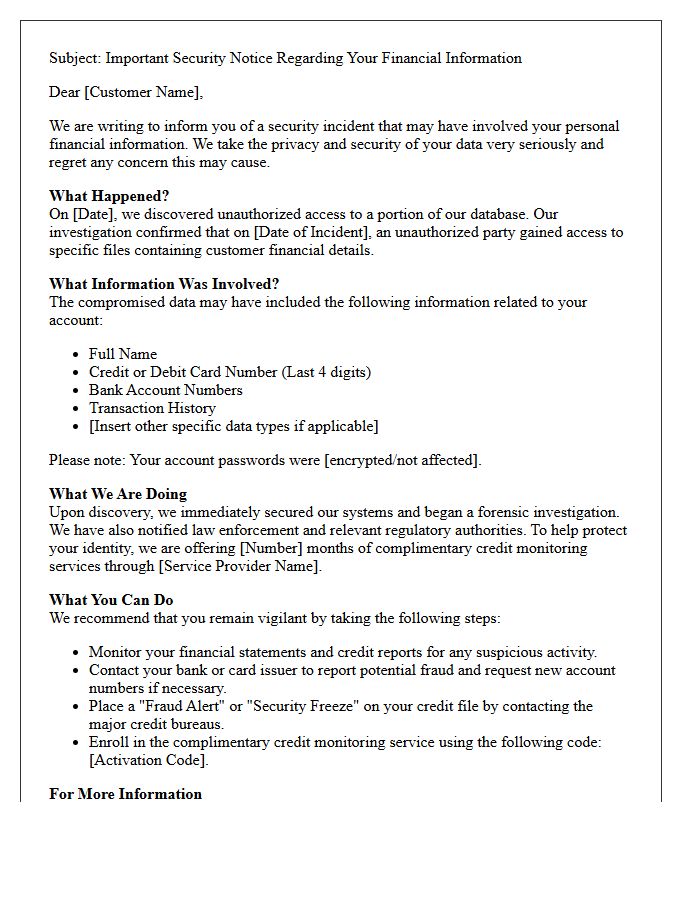
When specific customer financial data is compromised, immediate action is essential to mitigate identity theft and fraudulent transactions. This security breach involves unauthorized access to sensitive information like credit card numbers, bank accounts, or tax identifiers. Impacted individuals must monitor their financial statements, enable multi-factor authentication, and consider placing a credit freeze. Organizations are legally required to provide transparent data breach notifications to inform victims. Protecting payment credentials and maintaining rigorous encryption standards are critical steps to safeguard personal wealth and maintain institutional trust during such high-risk cyber incidents.
Internal Containment And Remediation Measures Executed
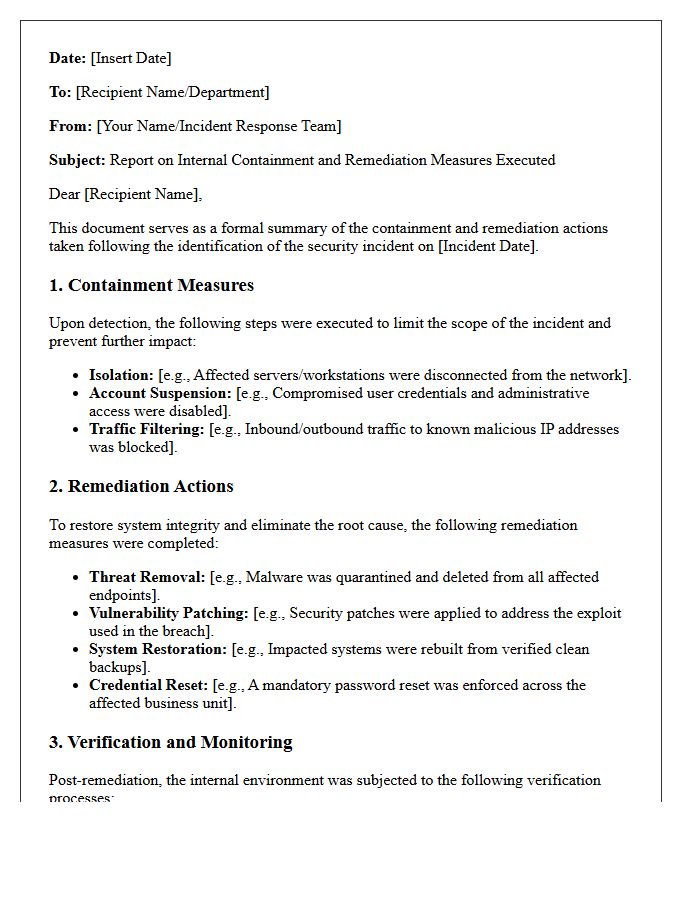
Internal containment and remediation protocols are critical for managing organizational crises or cybersecurity breaches. These measures focus on isolating affected systems to prevent lateral spread while simultaneously neutralizing threats. Effective execution involves rapid incident identification, evidence preservation, and the systemic removal of malicious artifacts. By implementing structured recovery phases, businesses can restore normal operations, minimize financial loss, and strengthen infrastructure against future vulnerabilities. Prioritizing rapid response ensures data integrity and maintains stakeholder trust during high-pressure recovery efforts.
Official Notification To Statutory Regulatory Authorities
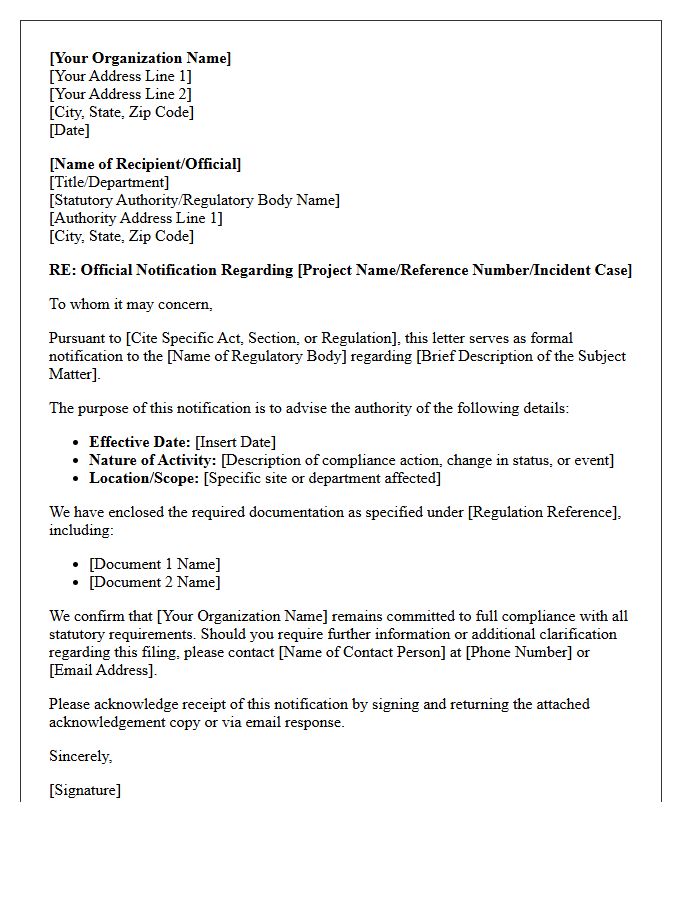
An Official Notification To Statutory Regulatory Authorities is a formal legal communication required when specific corporate actions or compliance triggers occur. It ensures transparency with governmental oversight bodies regarding changes in business structure, financial status, or operational licensing. Timely submission is critical to avoid legal penalties, fines, or the revocation of permits. These notifications must adhere to precise regulatory standards and deadlines, serving as an official record that the entity remains in full compliance with national or regional laws governing its industry sector.
Provision Of Complimentary Credit Monitoring Services
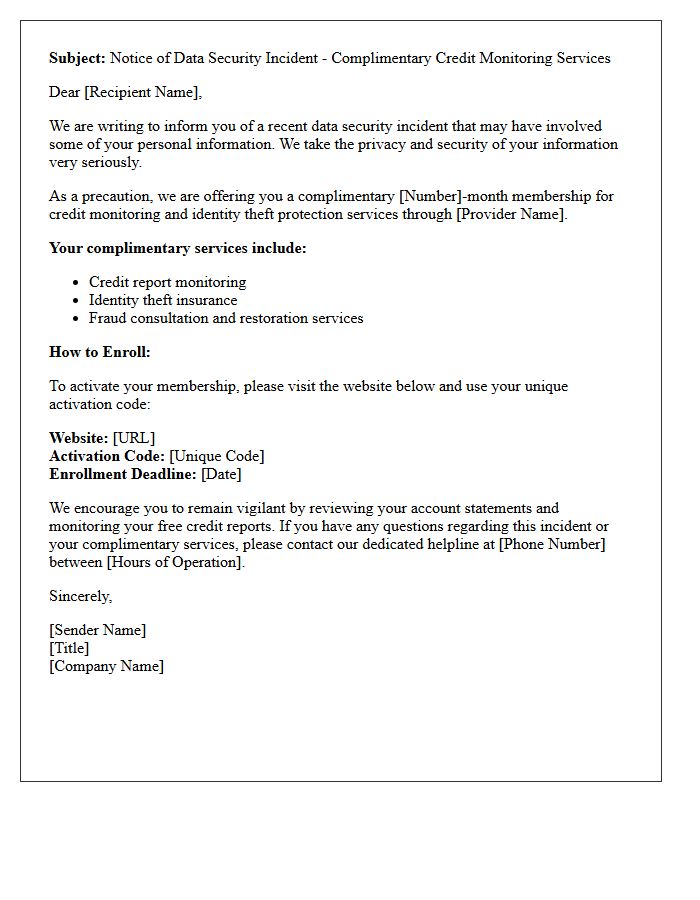
Companies offer complimentary credit monitoring services as a protective measure following a potential data breach or security incident. These services provide real-time alerts regarding unauthorized changes to your credit report, such as new accounts or inquiries. By monitoring your financial profile, you can detect identity theft early and mitigate potential damages. While typically offered for a limited time, these tools are essential for maintaining credit security and ensuring your personal information remains safeguarded against fraudulent activity after your data has been compromised.
Recommended Security Actions For Bank Customers
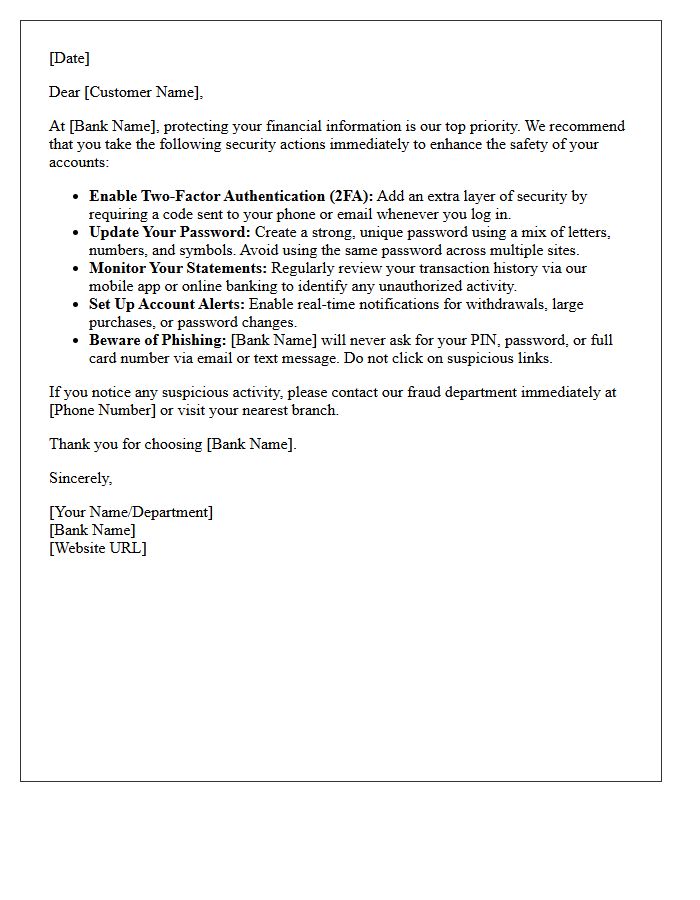
Protecting your finances requires proactive habits. Always enable multi-factor authentication to add a vital layer of protection beyond passwords. Regularly monitor your account statements for unauthorized transactions and report discrepancies immediately. Never share your PIN or login credentials, and avoid clicking links in suspicious emails. Using a secure connection via a private network or VPN is essential when accessing online banking. Lastly, ensure your bank has updated contact information to receive real-time fraud alerts, allowing you to quickly freeze accounts if a security breach occurs.
Dedicated Data Breach Support Hotline Information
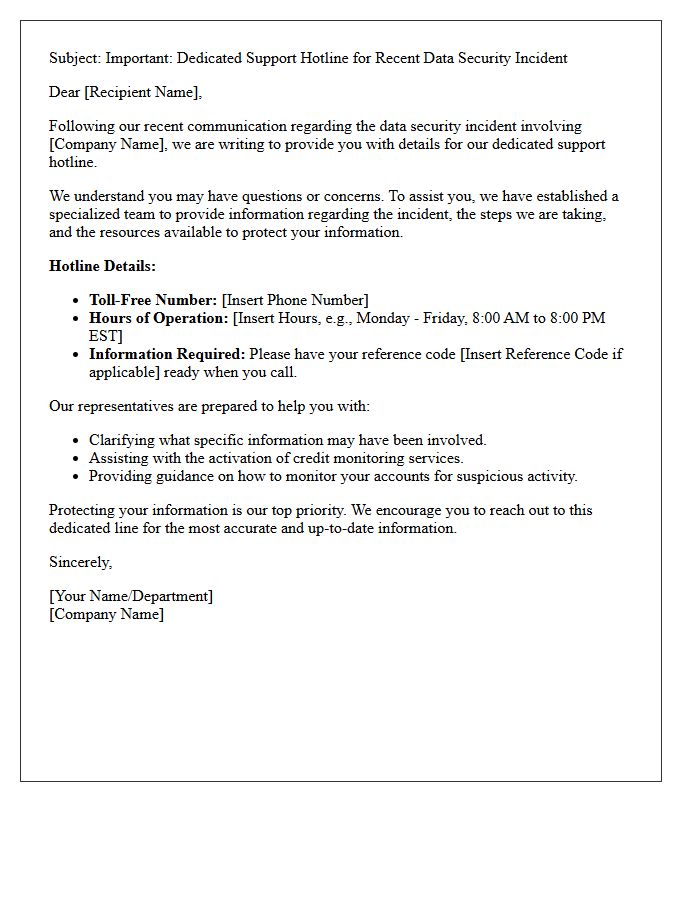
A Dedicated Data Breach Support Hotline provides immediate assistance to victims of unauthorized information access. These specialized phone lines offer incident response guidance, identity theft protection steps, and credit monitoring enrollment. Contacting the hotline quickly is essential to mitigate financial fraud and secure compromised accounts. Agents provide legal disclosures and technical support to help individuals navigate the aftermath of a security failure. Always verify the hotline's authenticity through official company documentation to avoid phishing scams and ensure your personal data security remains a priority during the recovery process.
Authorized Signature Of Chief Privacy Officer
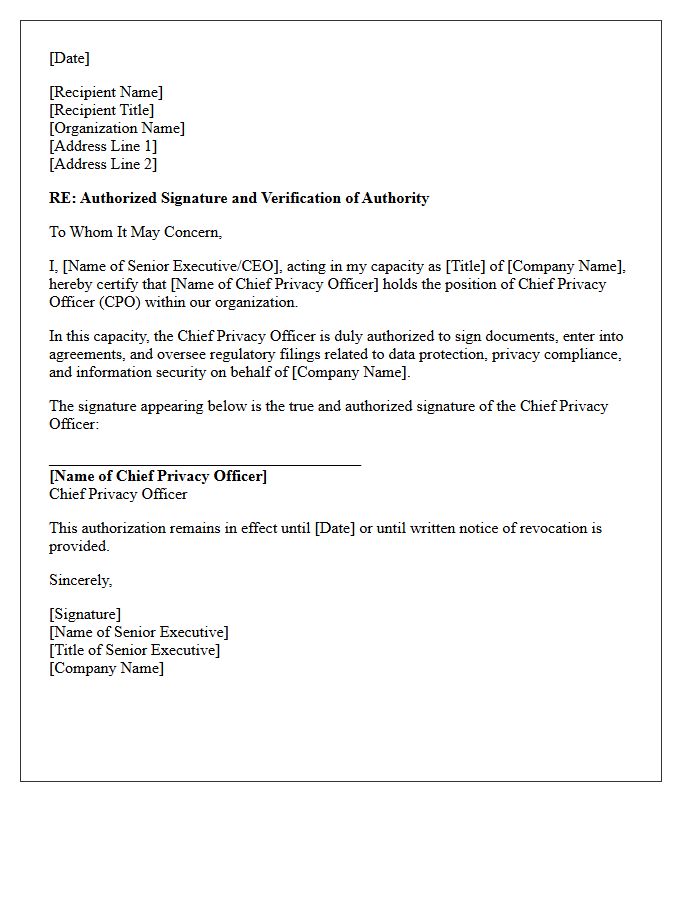
The Authorized Signature of a Chief Privacy Officer (CPO) validates an organization's commitment to data protection compliance. This formal endorsement signifies that privacy policies, data sharing agreements, and security protocols have undergone expert executive review. It serves as a legal assurance that personal information handling meets regulatory standards like GDPR or CCPA. Without this official approval, privacy frameworks lack the legal accountability required to mitigate risks, ensuring that the CPO remains the primary authority for safeguarding sensitive user information and maintaining corporate transparency.
What are the legal requirements for a Notice of Statutory Data Breach?
Under statutory compliance frameworks, organizations must provide a formal notification to affected individuals and regulatory authorities when a breach involves sensitive personal information. This notice must include the nature of the breach, the types of data compromised, the steps taken to mitigate harm, and contact information for further inquiries.
What is the mandatory timeframe for reporting a data breach under statutory law?
Statutory timelines vary by jurisdiction; however, many regulations, such as the GDPR or specific state laws like the CCPA, require notification "without undue delay." In many cases, this is defined as a maximum of 72 hours after the organization becomes aware of the unauthorized access or disclosure.
What information must be included in a compliant data breach notification?
A legally compliant notice must detail the approximate date of the breach, the specific categories of personal data accessed, a summary of the incident, and actionable advice for victims to protect themselves, such as monitoring credit reports or changing passwords.
Which regulatory bodies must be notified in the event of a statutory data breach?
The specific regulatory body depends on the jurisdiction and industry; common examples include State Attorneys General, the Federal Trade Commission (FTC), or Data Protection Authorities (DPAs). Failure to notify the correct oversight body within the legal window can result in significant administrative fines and litigation.
Are there exceptions to the statutory requirement for breach notification?
Yes, notification may not be legally required if the compromised data was secured by high-level encryption or was otherwise rendered unreadable, provided the breach does not pose a significant risk to the rights and freedoms of the individuals involved. Legal counsel should evaluate the specific "harm threshold" defined in the applicable statute.


Comments