
Receiving an Auto Loan First Notice of Default is a formal warning that your vehicle financing agreement is at risk due to missed payments. This critical document outlines the arrears owed and the timeframe allowed to rectify the delinquency before repossession begins. Understanding your rights and communication options is essential for protecting your credit and keeping your car. Below are some ready to use templates.
Image cover: Navigating the Auto Loan First Notice of Default: Essential Templates and Best Practices
Letter Samples List
- Official Debt Collection Agency Letterhead
- Date Of This First Notice Of Default Letter
- Debtor Name And Auto Loan Account Address
- Vehicle Identification Number And Loan Reference
- This Letter Serves As Your First Notice Of Default
- Your Auto Loan Account Is Currently Past Due
- The Total Delinquent Balance Due Is Stated Below
- You Have The Right To Cure This Account Default
- Full Payment Must Be Received By The Stated Deadline
- Failure To Pay Will Result In Vehicle Repossession
- Please Remit Payment Using The Enclosed Instructions
- Contact Our Debt Collection Office Immediately
- This Letter Is An Attempt To Collect A Debt
Official Debt Collection Agency Letterhead
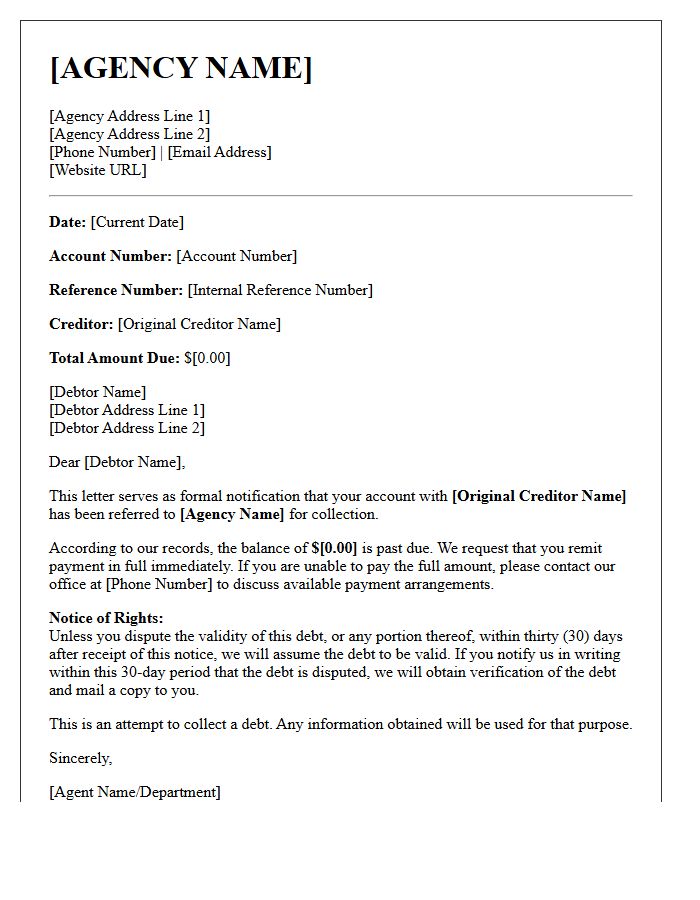
An official debt collection agency letterhead must contain specific legal disclosures to ensure authenticity. The most critical element is the Validation Notice, which outlines your right to dispute the debt within thirty days. Legally, the document must display the agency's full corporate name, physical address, and a unique account identifier. Verification of these details helps prevent fraudulent collection scams. Always cross-reference the contact information provided with official licensing databases to confirm the agency is authorized to operate in your jurisdiction before sharing sensitive financial information or making payments.
Date Of This First Notice Of Default Letter
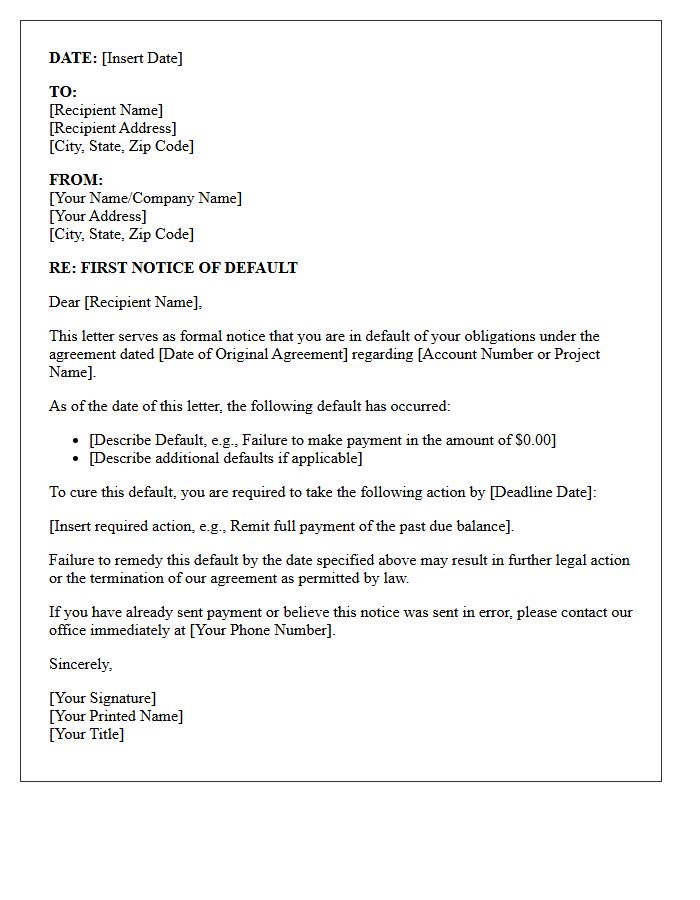
The Date of This First Notice of Default Letter is the critical starting point for the legal foreclosure process. It establishes the official timeline for your right to cure the delinquency before further action is taken. This specific date serves as the benchmark for calculating reinstatement deadlines and mandatory waiting periods required by law. Missing the window triggered by this notice can result in the loss of your property, making it essential to act immediately to negotiate a loan modification or repayment plan.
Debtor Name And Auto Loan Account Address
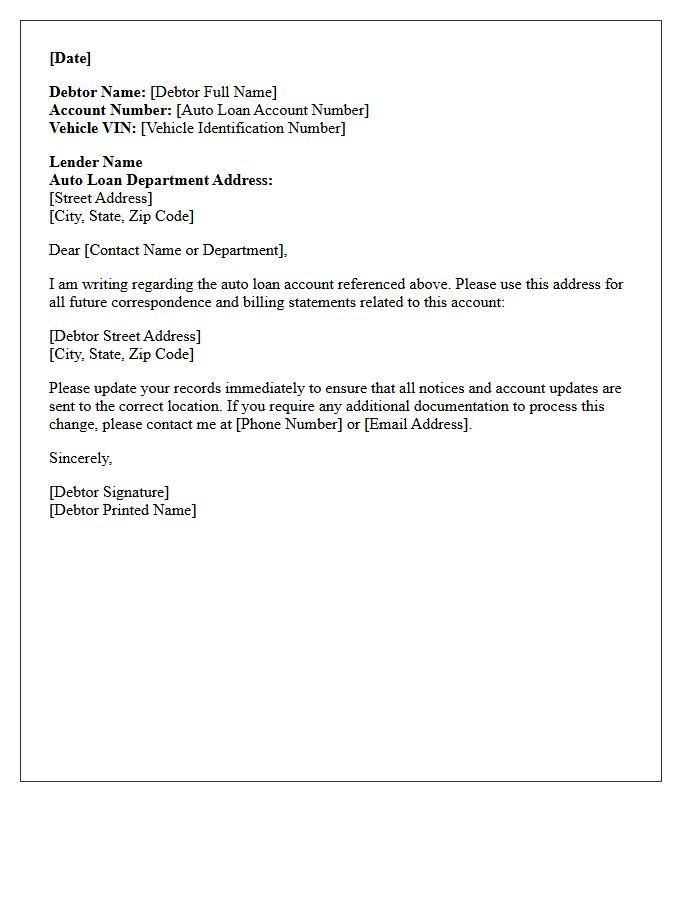
Accurate debtor names and loan account addresses are critical for ensuring proper communication and legal compliance. The debtor name must match official identification to avoid billing errors or credit reporting discrepancies. The account address, typically the lender's payment center or servicing office, is where legal notices and payoffs are sent. Keeping these details updated prevents late fees and ensures lien releases are mailed correctly upon final payment. Always verify your account statement to confirm your mailing address is current for all auto financing documentation.
Vehicle Identification Number And Loan Reference
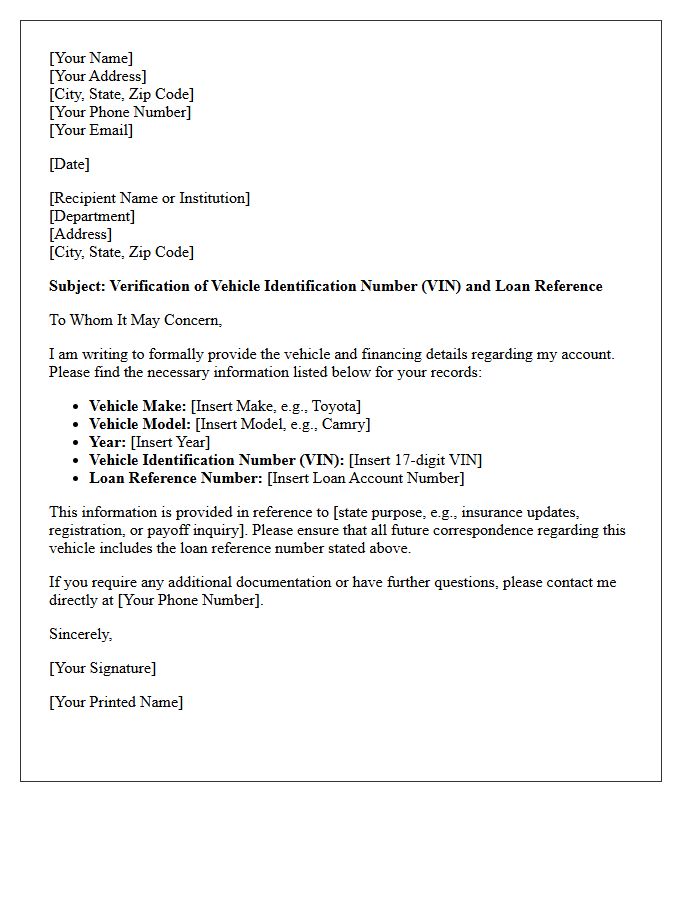
When financing a car, the Vehicle Identification Number (VIN) serves as the unique seventeen-digit fingerprint that verifies the asset's identity. Lenders require this code to secure their financial interest, linking the loan reference directly to the specific vehicle's title. This connection ensures the collateral is accurately recorded, preventing fraud and enabling clear tracking of ownership history. Always verify that the VIN on your physical vehicle matches all loan documentation to maintain legal compliance and protect your investment during the repayment period.
This Letter Serves As Your First Notice Of Default
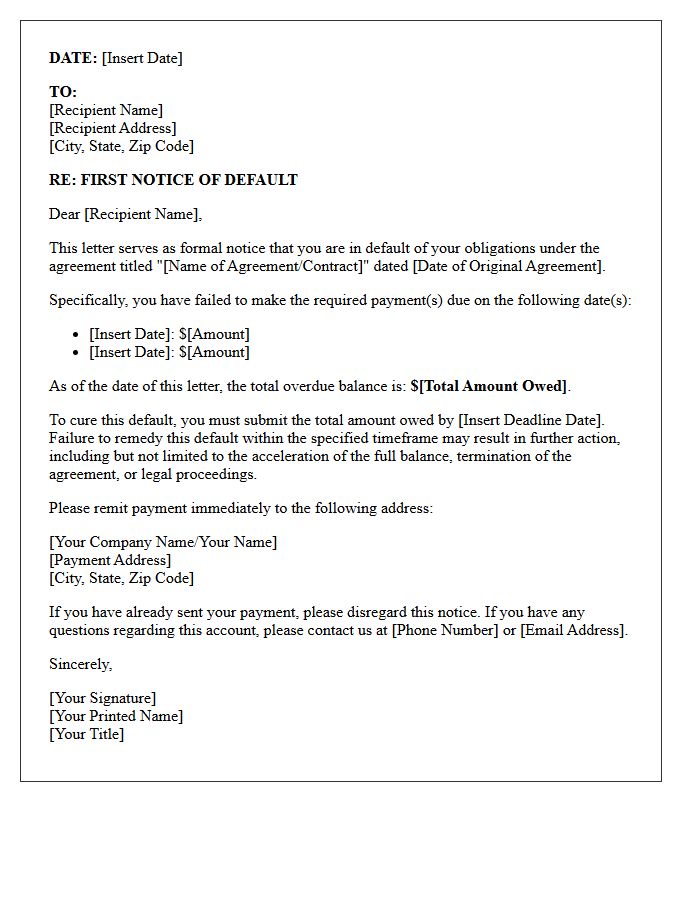
Receiving a Notice of Default is a critical legal alert indicating you have failed to meet your loan obligations. This formal document serves as the initial step in the foreclosure process, officially recording your delinquency. It provides a specific timeframe to pay the arrears and "cure" the debt before further legal action occurs. To protect your property, you must contact your lender immediately to discuss loss mitigation options, loan modification, or repayment plans to prevent the loss of your home through a trustee sale.
Your Auto Loan Account Is Currently Past Due
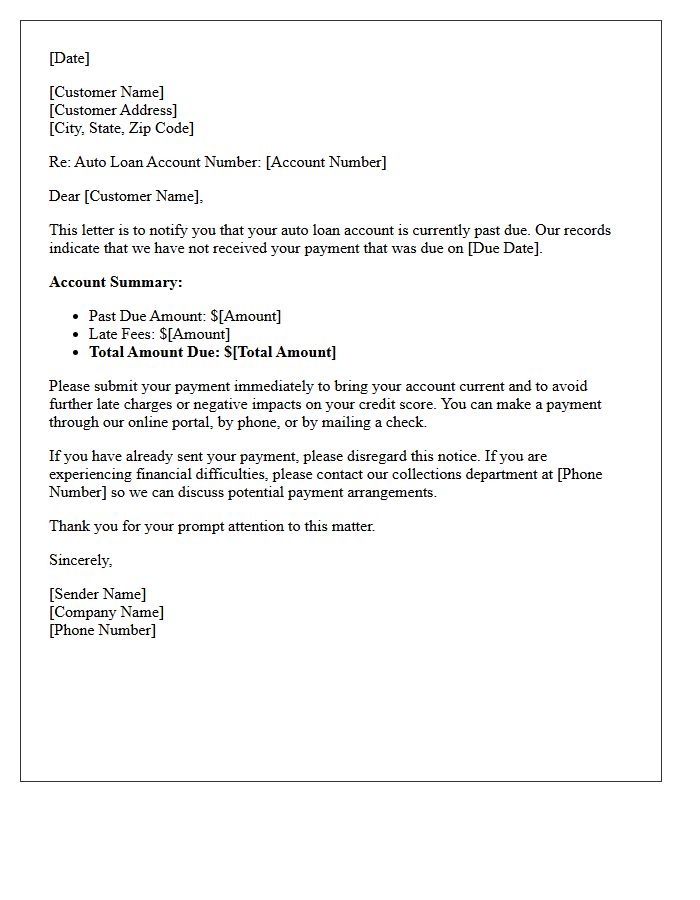
Your auto loan account is currently past due, meaning a scheduled payment was missed. It is vital to take immediate action to avoid late fees and negative impacts on your credit score. Prolonged delinquency may lead to repossession of your vehicle. Please review your account statement and contact your lender to discuss repayment options or deferment plans. Prioritizing this payment helps protect your financial standing and ensures you retain reliable transportation. Quick communication with your financial institution is the best way to resolve this delinquency effectively.
The Total Delinquent Balance Due Is Stated Below
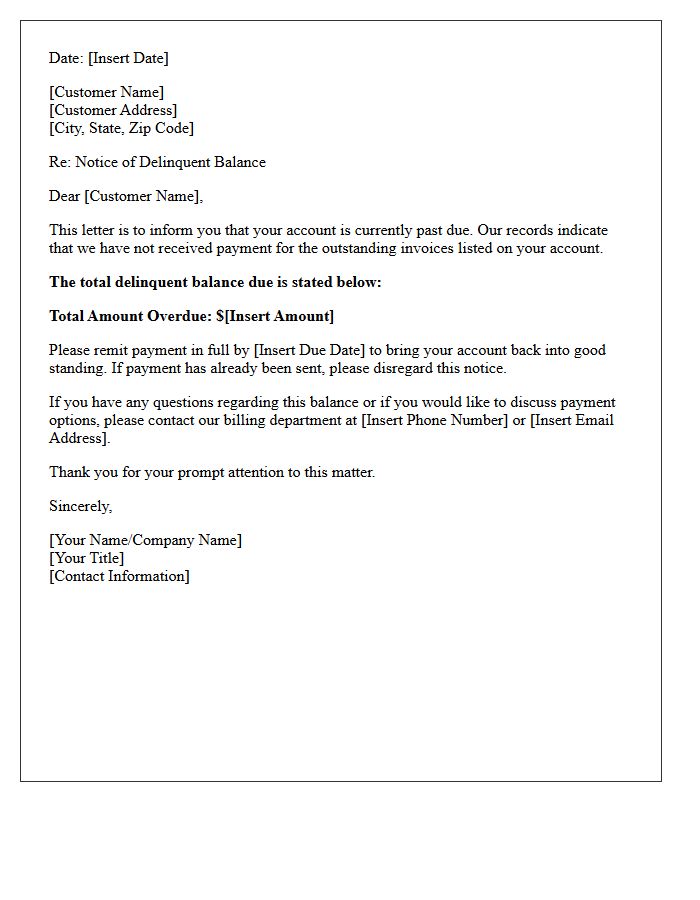
The Total Delinquent Balance Due represents the cumulative sum of all past-due payments, including applicable late fees and interest charges. It is critical to address this amount immediately to avoid further penalties, service interruptions, or negative impacts on your credit score. This figure reflects the exact total required to bring your account back to current status. Please verify the stated balance against your records and settle the outstanding debt promptly to maintain financial compliance and prevent additional legal or collection actions.
You Have The Right To Cure This Account Default
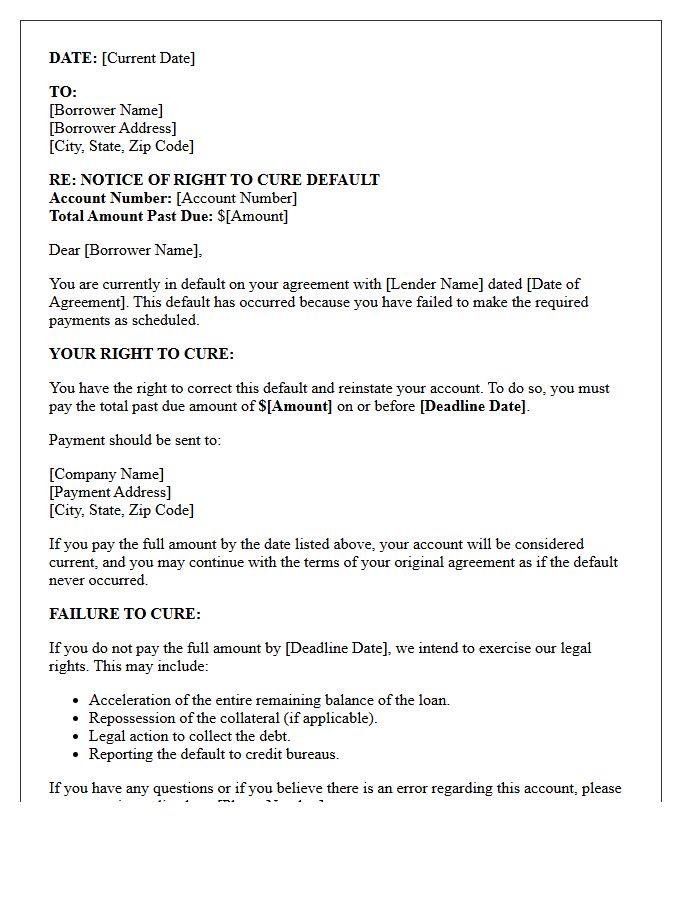
When you receive a notice stating you have the Right to Cure an account default, it is a legal grace period allowing you to resolve the delinquency. By paying the specified past-due amount by a certain deadline, you can reinstate your contract and prevent further actions like repossession or foreclosure. Exercising this right stops the acceleration of your debt, effectively reinstating your original payment terms. Failing to act within this timeframe typically leads to permanent default and the loss of the asset or service.
Full Payment Must Be Received By The Stated Deadline
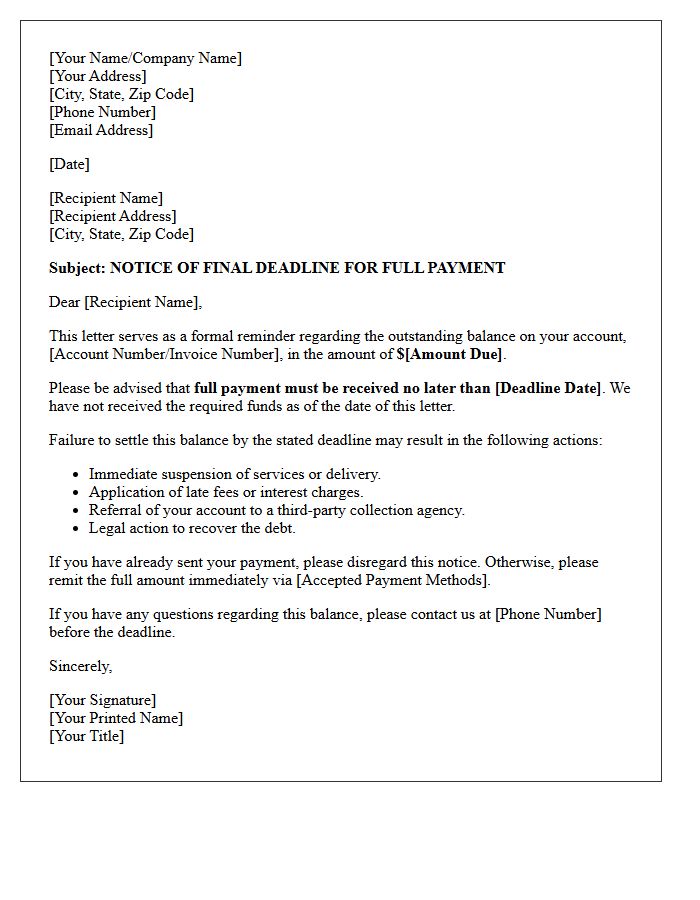
To maintain your service or booking, full payment must be received by the stated deadline. Failure to provide the total balance on time often results in automatic cancellation, late fees, or loss of your reservation. Please account for bank processing times to ensure the transaction clears before the cutoff. Meeting this financial obligation is essential to guarantee your spot and avoid any interruption to your agreement or delivery schedule.
Failure To Pay Will Result In Vehicle Repossession
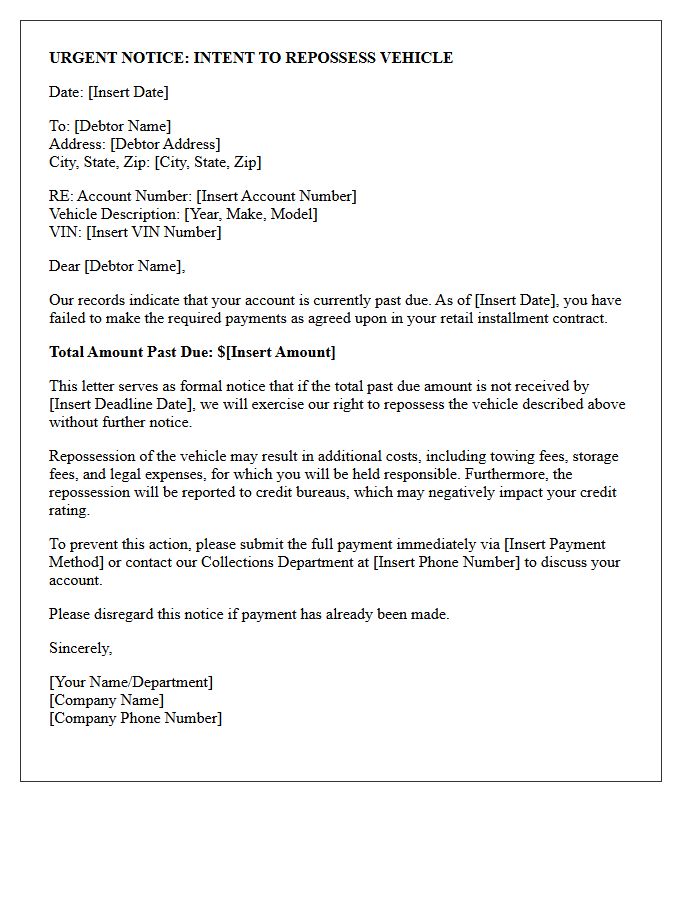
Ignoring auto loan payments leads to serious consequences. If you breach your contract, Failure To Pay Will Result In Vehicle Repossession, allowing lenders to seize the car without prior notice. This process severely damages your credit score and may result in a deficiency balance, meaning you still owe money after the car is sold. To avoid losing your transportation and financial stability, contact your lender immediately to discuss deferment or payment restructuring before a default occurs.
Please Remit Payment Using The Enclosed Instructions
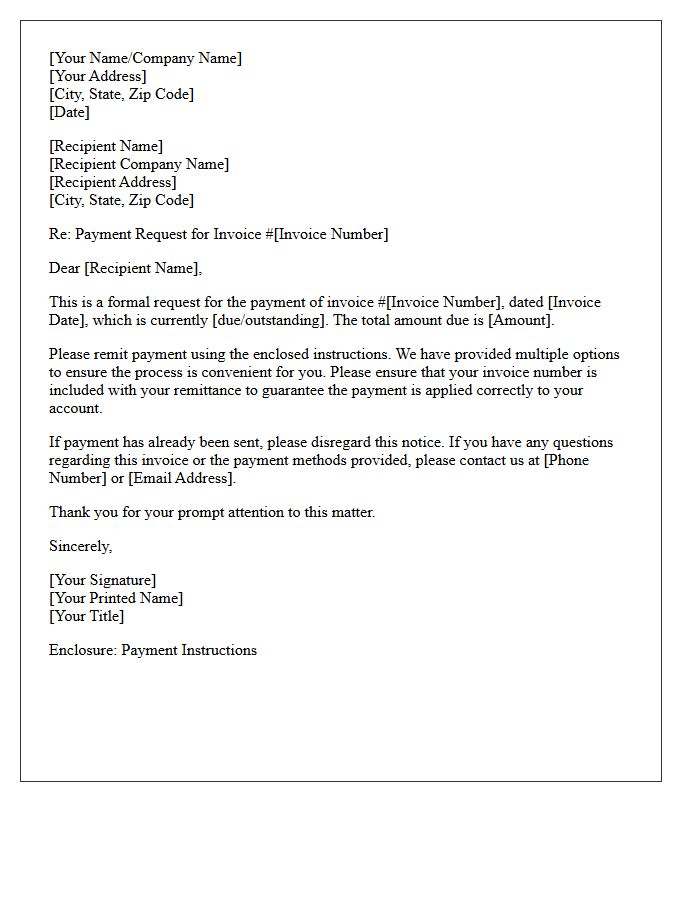
When you receive a notice to remit payment, it is essential to follow the enclosed instructions precisely to ensure your funds are credited correctly. These guidelines typically include the preferred payment method, account numbers, and the specific mailing address or digital portal required. Adhering to these details prevents processing delays or late fees. Always verify the invoice details against your records before sending money to maintain accurate financial documentation and secure your transaction history.
Contact Our Debt Collection Office Immediately
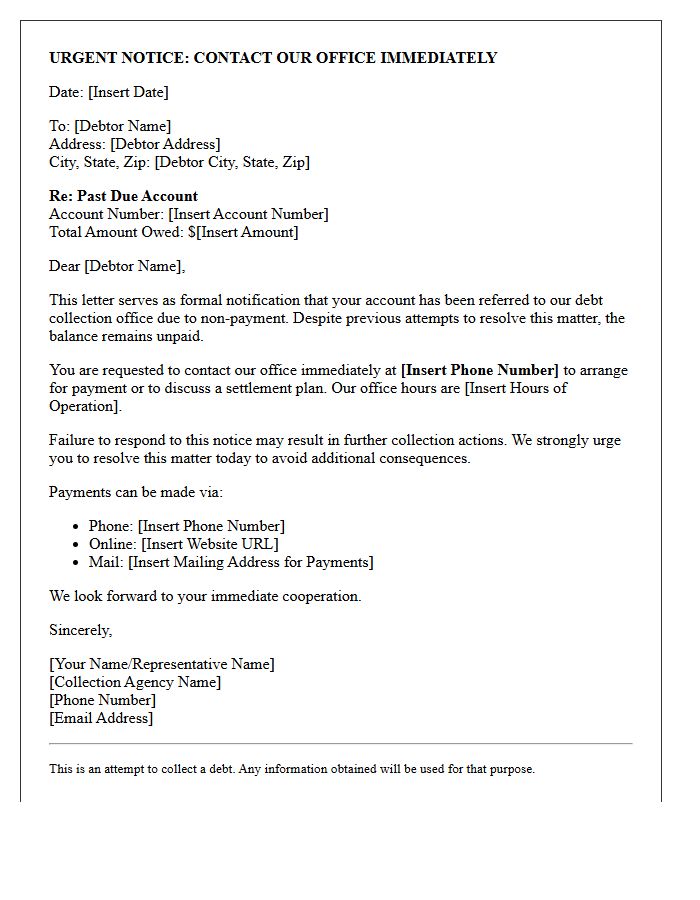
To resolve outstanding balances and protect your credit score, you must Contact Our Debt Collection Office Immediately. Engaging with our specialists allows you to explore flexible repayment plans and stop further recovery actions. Addressing your financial obligations now prevents legal escalations and ensures your account status is updated accurately. Our team is dedicated to finding a manageable solution tailored to your situation. Do not delay, as timely communication is the most effective way to clear your debt and regain financial stability today.
This Letter Is An Attempt To Collect A Debt
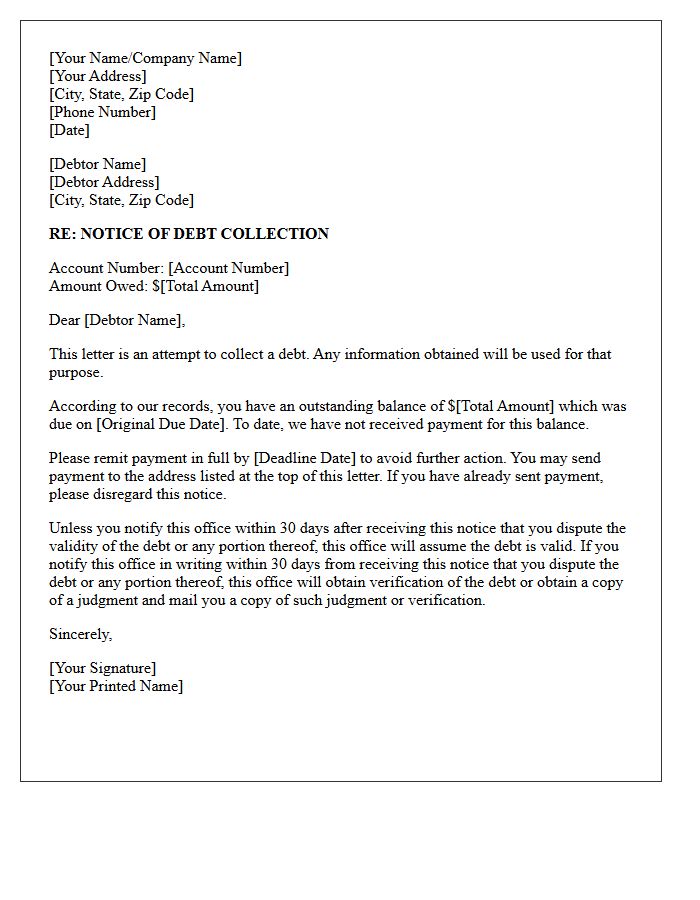
When you receive a notice stating "this letter is an attempt to collect a debt," it serves as a legally required disclosure under the Fair Debt Collection Practices Act. This statement indicates that any information obtained will be used for debt recovery purposes. Upon receipt, you have a 30-day window to dispute the validity of the amount in writing. Failure to respond may lead to further collection actions or credit reporting. Always verify the creditor's identity and the exact balance before making payments to ensure your consumer rights are fully protected.
What is a First Notice of Default on an auto loan?
A First Notice of Default is a formal written warning sent by a lender to a borrower stating that the auto loan is officially in default due to missed payments. This document serves as a legal notification that the lender may begin the repossession process if the outstanding balance is not paid within a specific timeframe.
How many missed payments trigger a First Notice of Default?
While policies vary by lender, a First Notice of Default is typically issued once a payment is 30 to 90 days past due. In some "strict" states, a lender may technically consider a borrower in default just one day after a missed deadline, though formal notices are usually sent after the first full billing cycle is missed.
Can I stop repossession after receiving a First Notice of Default?
Yes, you can usually stop repossession by exercising your "right to cure" the default. This involves paying the total past-due amount, including late fees and administrative costs, by the deadline specified in the notice. Contacting your lender immediately to negotiate a formal payment plan or loan modification can also prevent vehicle seizure.
Will a First Notice of Default affect my credit score?
Yes, a First Notice of Default significantly damages your credit score because it indicates a serious breach of contract. By the time you receive the notice, the lender has likely already reported 30-, 60-, or 90-day delinquencies to the credit bureaus, which can lower your score by 100 points or more and remain on your report for seven years.
What is the difference between a late notice and a Notice of Default?
A late notice is a courtesy reminder that a payment deadline has passed, often sent within the first 15 days of delinquency. A First Notice of Default is a legal demand for payment that signifies the start of the recovery process, indicating that the lender is moving toward terminating the contract and repossessing the collateral (the vehicle).

Comments