
A Lost Note Affidavit is a sworn legal document used when an original promissory note is missing, while a Mortgage Satisfaction Letter confirms a debt is fully repaid. Both are essential for clearing property titles and completing real estate transactions smoothly. Understanding these documents ensures your lien release is legally valid. To help you get started, below are some ready to use template.

Image cover: The Essential Guide to Lost Note Affidavits and Mortgage Satisfaction Templates
Letter Samples List
- Mortgage Satisfaction Letter
- Lost Note Affidavit Cover Letter
- Letter of Mortgage Satisfaction and Release
- Lost Promissory Note Affidavit Submission Letter
- Lender Letter of Loan Payoff and Satisfaction
- Missing Original Note Affidavit Indemnity Letter
- Letter of Lien Release and Mortgage Satisfaction
- Hold Harmless Letter for Lost Mortgage Note
- Letter of Final Mortgage Payment Satisfaction
- Lost Note Affidavit Execution Letter
- Letter of Reconveyance and Mortgage Satisfaction
- Missing Mortgage Note Declaration Letter
- Commercial Mortgage Satisfaction Clearance Letter
Mortgage Satisfaction Letter
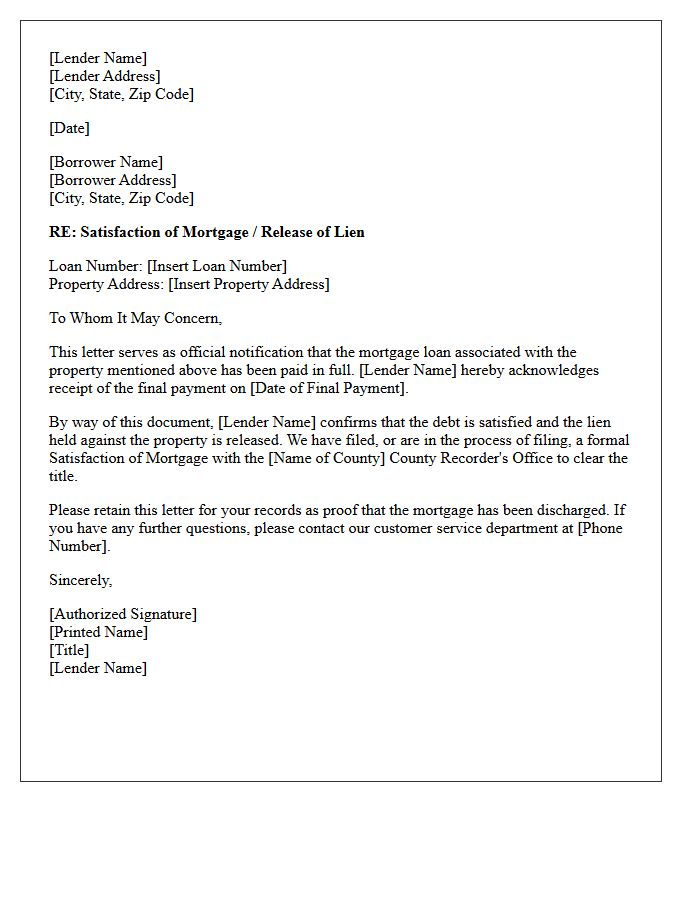
A Mortgage Satisfaction Letter is a formal legal document issued by a lender confirming that a home loan has been paid in full. Once the final payment is processed, the lender must record this release with the local county clerk or recorder's office to clear the property title. This document is essential for homeowners because it proves the lien has been removed, providing clear ownership. Always verify that this release is filed promptly to ensure a smooth process when selling the property or refinancing in the future.
Lost Note Affidavit Cover Letter
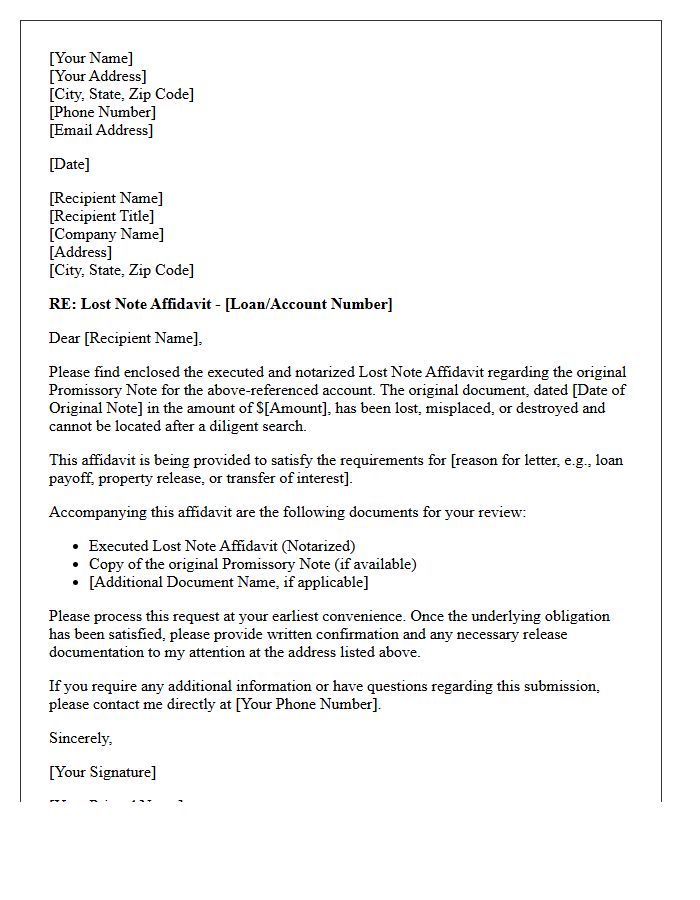
A Lost Note Affidavit Cover Letter is a legal document used to notify parties that an original promissory note is missing. This letter must clearly identify the loan details, including the parties involved and the outstanding balance. Its primary purpose is to provide a formal statement confirming that the note was lost, stolen, or destroyed while establishing the owner's right to enforce the debt. Properly executed, this document facilitates property transfers or mortgage payoffs by serving as a substitute for the physical note in financial transactions.
Letter of Mortgage Satisfaction and Release
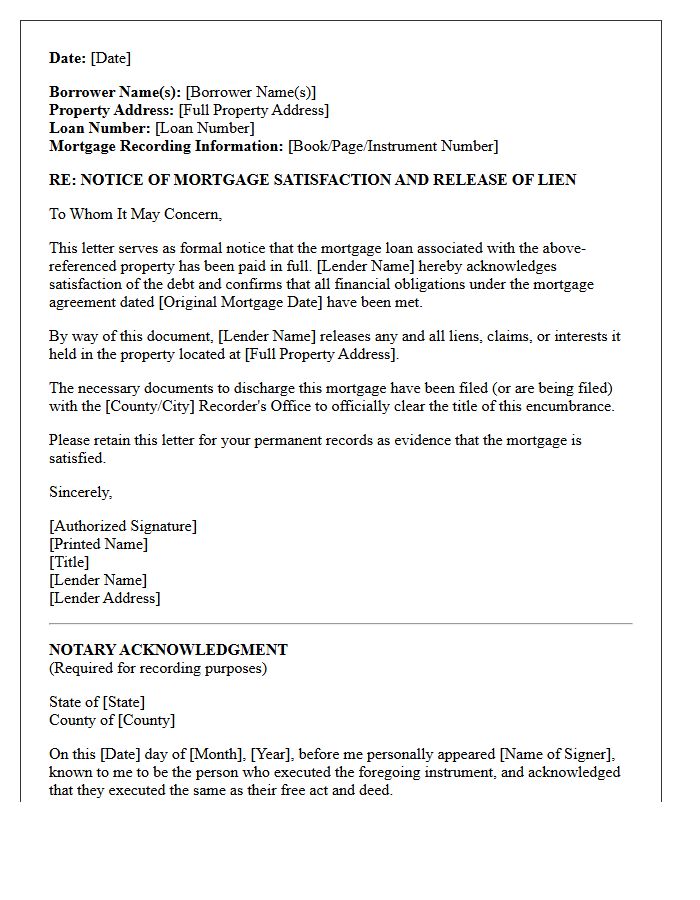
A Letter of Mortgage Satisfaction and Release is a legal document confirming your home loan is fully repaid. Once issued, it must be filed with the local land records office to officially clear the title of the property. This ensures the lender no longer holds a legal claim or lien against your home. Always verify that the release is recorded properly to avoid future complications during a sale or refinance. This document is the ultimate proof of debt cancellation and full home ownership.
Lost Promissory Note Affidavit Submission Letter
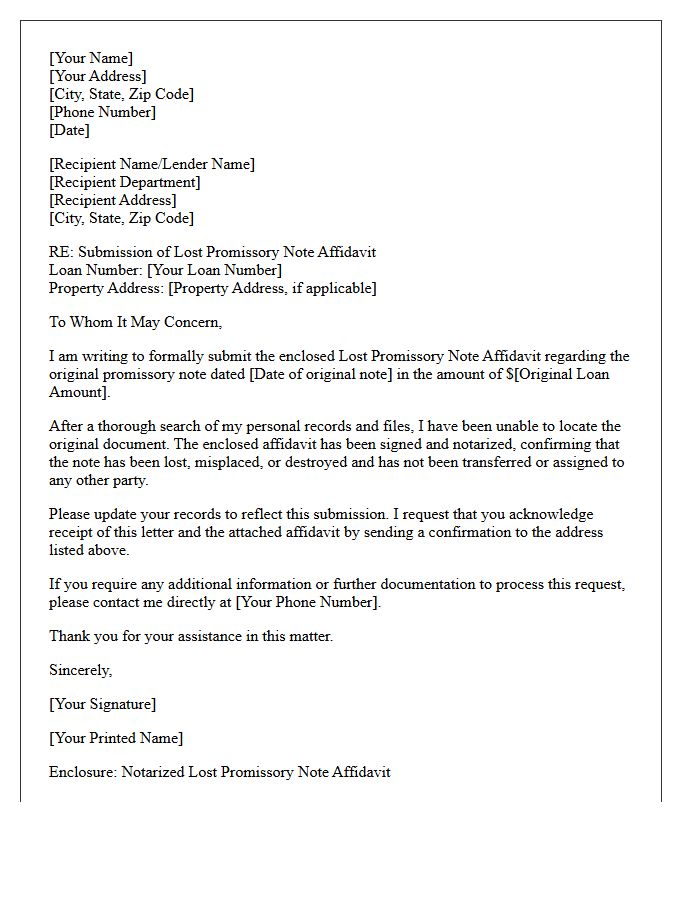
A Lost Promissory Note Affidavit Submission Letter serves as a formal legal notification to a borrower or court that an original loan document is missing. This letter must include a sworn affidavit confirming the note's loss, theft, or destruction while asserting the lender's continued right to enforce the debt. It is a critical restitution tool in mortgage foreclosures or private lending to prove ownership without the physical paper. Proper notarization is essential to ensure the document's legal validity and to protect the lender's financial interests during repayment or legal proceedings.
Lender Letter of Loan Payoff and Satisfaction
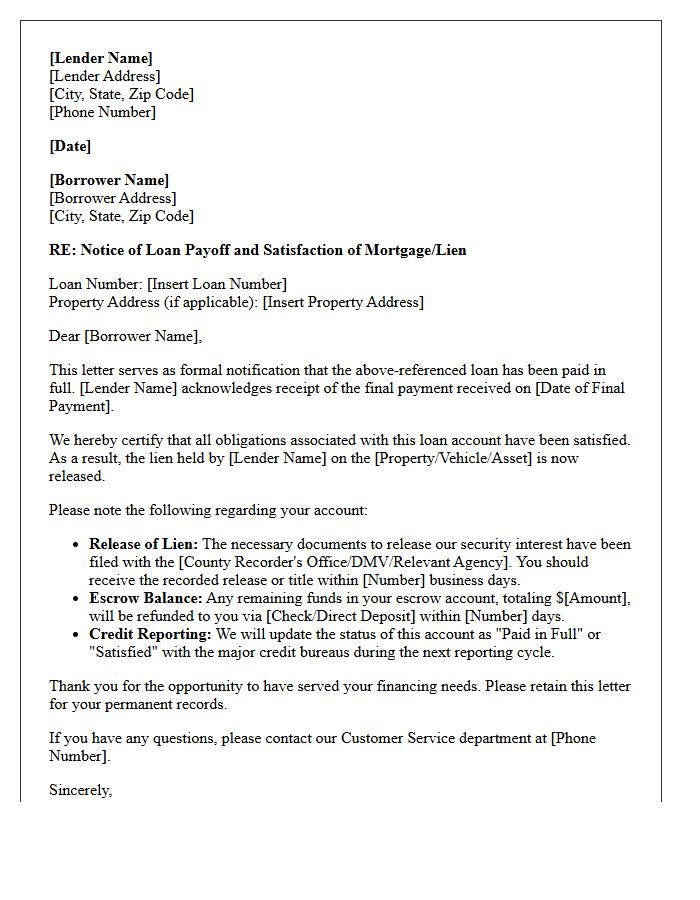
A Lender Letter of Loan Payoff and Satisfaction is a formal document confirming a debt is fully settled. Once the final payment is processed, the creditor issues this notice to verify the release of lien against the collateral, such as a home or vehicle. It serves as legal evidence that the borrower's obligations are met and the title is clear. Homeowners must ensure this satisfaction of mortgage is recorded with local authorities to update public records, ensuring future property transfers or refinancing can proceed without legal encumbrances or title defects.
Missing Original Note Affidavit Indemnity Letter
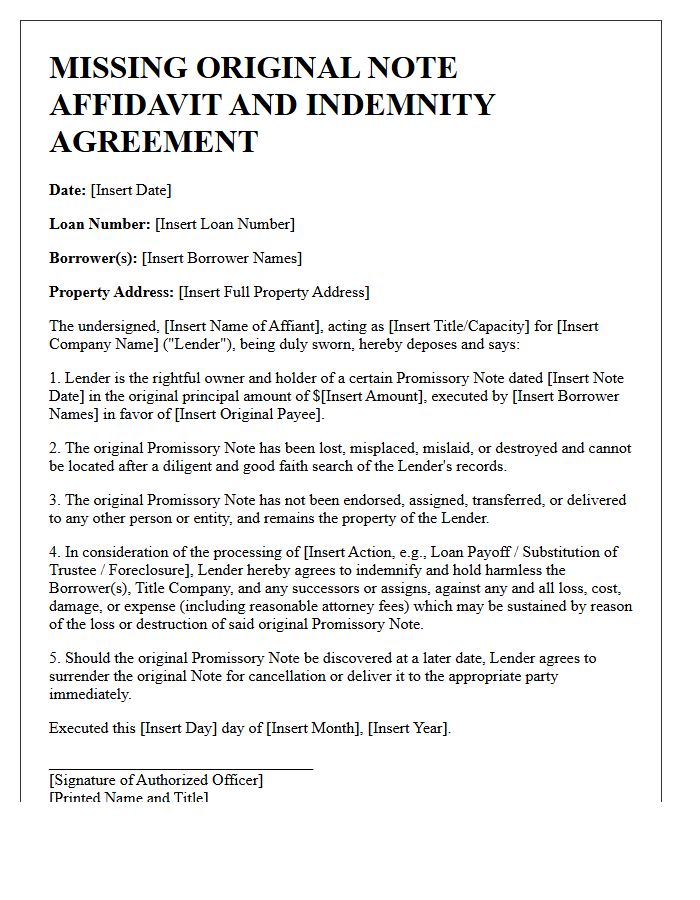
A Missing Original Note Affidavit is a critical legal document used when a mortgage note is lost or destroyed. It serves as indemnity for the borrower, protecting them from double liability if the original note surfaces later. This letter verifies the debt's validity and the lender's right to enforce payment. For property transfers or refinancing, this document ensures a clear chain of title. It essentially replaces the physical note, allowing legal proceedings like foreclosures or payoffs to proceed securely without the original instrument.
Letter of Lien Release and Mortgage Satisfaction
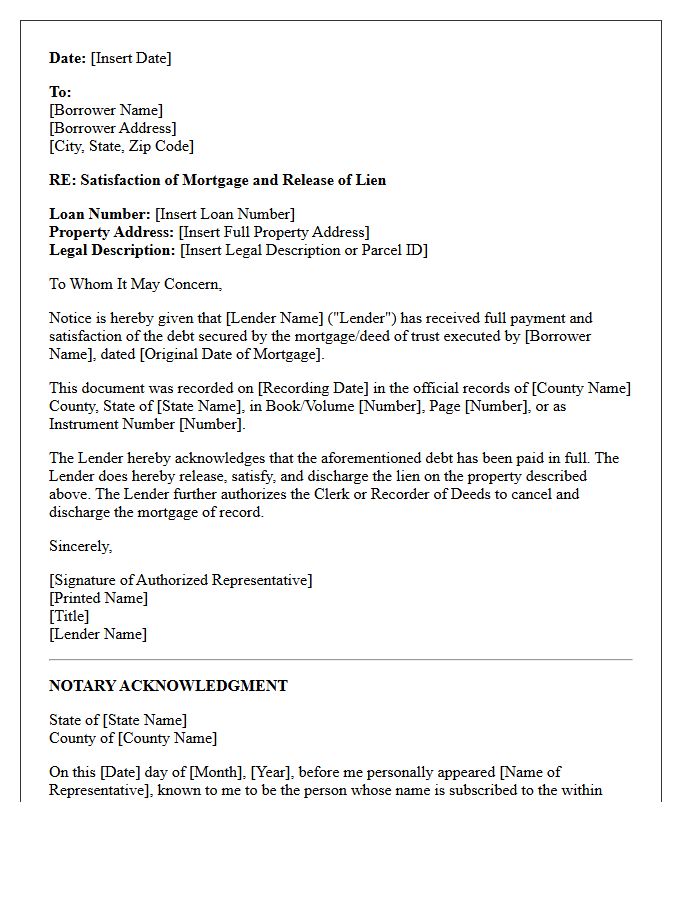
A Letter of Lien Release, often called a Mortgage Satisfaction document, is a legal instrument issued by a lender once a debt is fully paid. This document officially confirms that the security interest held against your property has been extinguished. It is crucial to ensure this release is recorded with the local county clerk or land records office to provide clear title. Without it, the property remains legally encumbered, preventing future sales or refinancing. Always verify that your lender has successfully filed this reconveyance to protect your ownership rights.
Hold Harmless Letter for Lost Mortgage Note
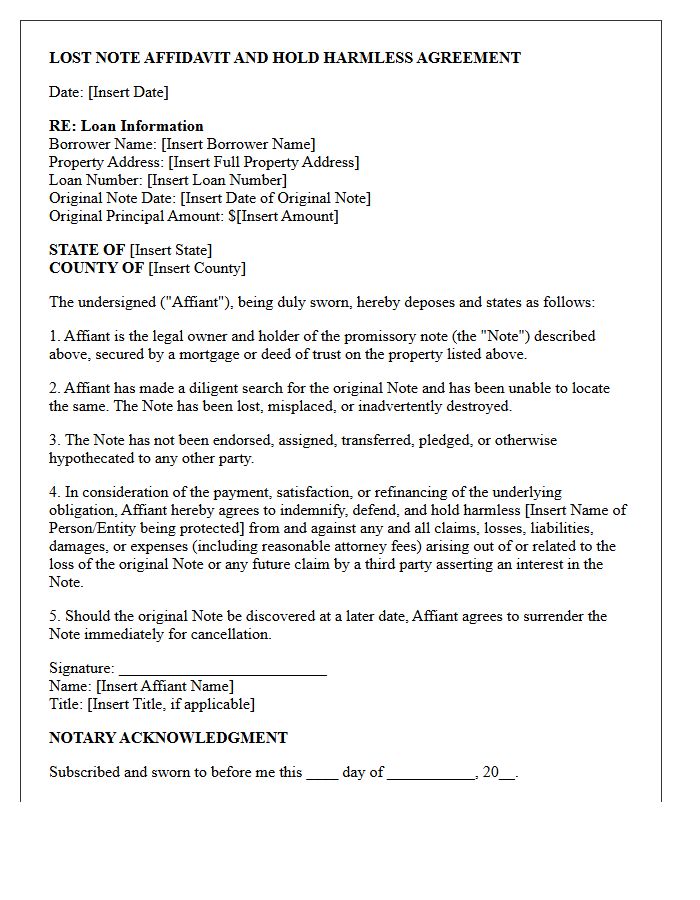
A Hold Harmless Letter for a lost mortgage note is a critical legal document used when the original promissory note is missing during a loan payoff or property sale. It serves as an indemnity agreement, protecting the borrower from future financial claims if the original document is found and presented by another party. By signing this, the lender assumes responsibility for the loss and guarantees that the debt is satisfied, ensuring a clear title transfer and preventing double payment risks during the real estate closing process.
Letter of Final Mortgage Payment Satisfaction
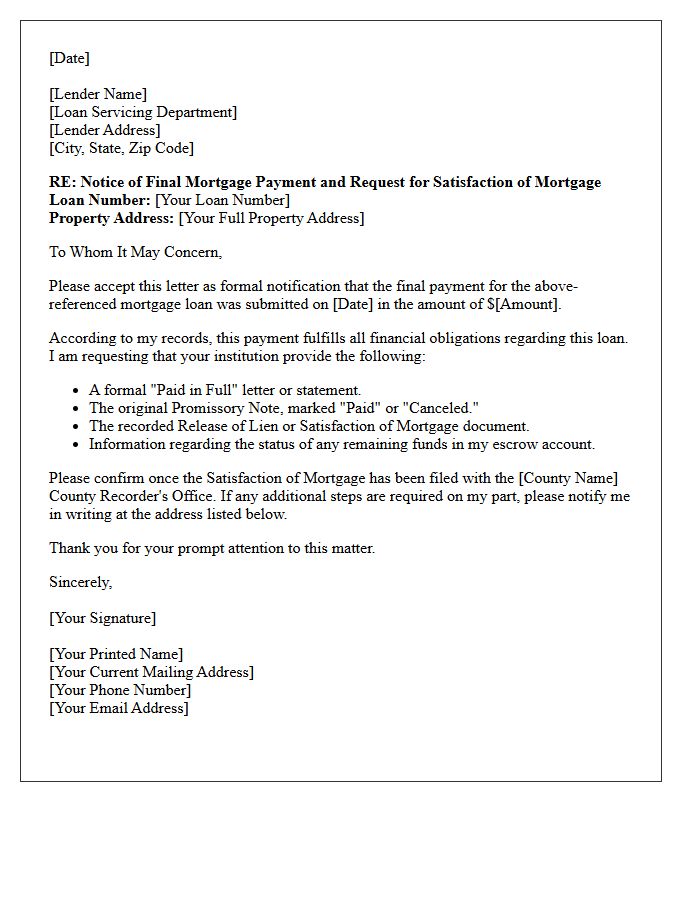
A Letter of Final Mortgage Payment Satisfaction is a crucial document confirming your debt is fully repaid. Once issued, your lender must record a lien release with the local county clerk to officially clear the title. This process ensures you hold unencumbered ownership of the property. Homeowners should retain this record indefinitely to prove the mortgage is satisfied, facilitating future sales or transfers. Always verify that the recorded satisfaction reflects accurately in public records to prevent potential legal or financial complications during title searches.
Lost Note Affidavit Execution Letter
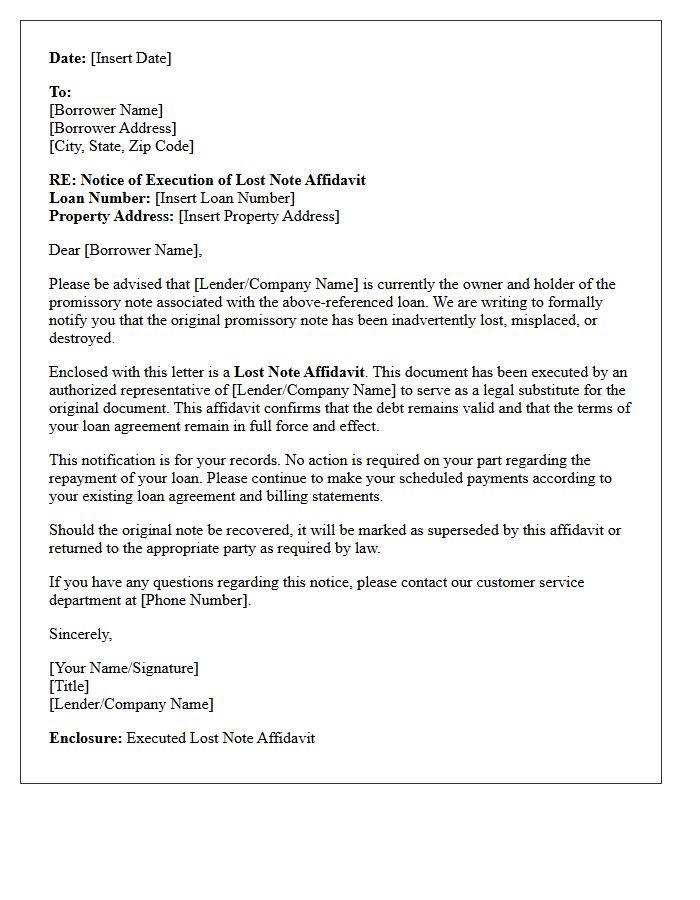
A Lost Note Affidavit Execution Letter is a critical legal document used when an original promissory note is misplaced or destroyed. It serves as a formal declaration to verify the debt's existence and the owner's right to enforce payment. Properly executing this letter is essential for maintaining legal standing during property transfers or foreclosure proceedings. The document must typically be notarized, outlining the lost instrument's details and indemnifying the borrower against future double-recovery claims, ensuring clear title and financial security for all parties involved in the transaction.
Letter of Reconveyance and Mortgage Satisfaction
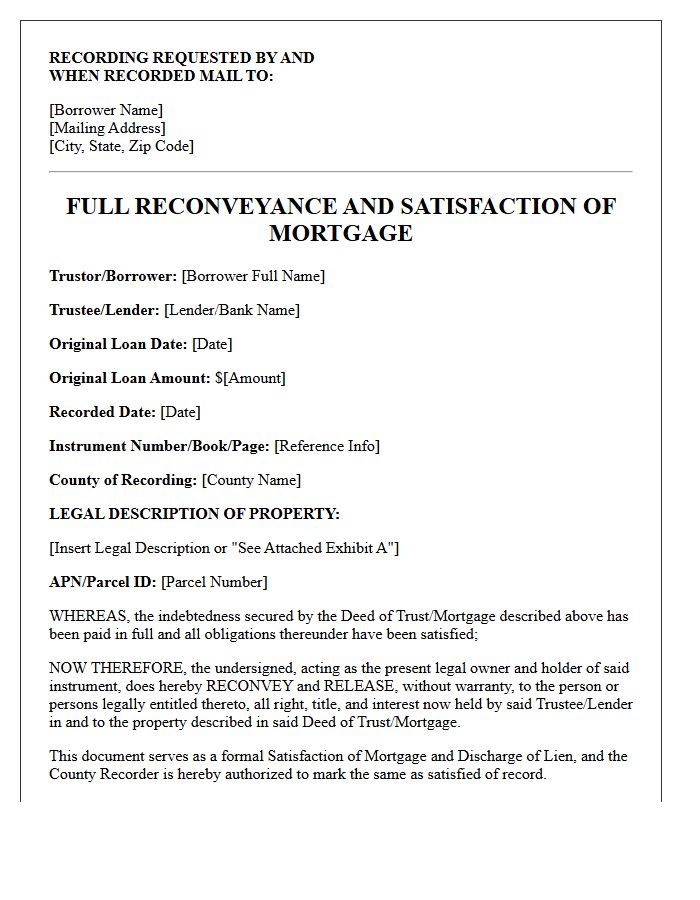
A Letter of Reconveyance and Mortgage Satisfaction are essential legal documents proving a home loan is paid in full. When you settle your debt, the lender issues these to release their lien on your property. In "deed of trust" states, reconveyance transfers the title back to you, while mortgage states use a satisfaction piece to clear the public record. Always ensure these documents are officially recorded at the county office to secure your clear title and enable future property sales or refinancing without legal encumbrances.
Missing Mortgage Note Declaration Letter
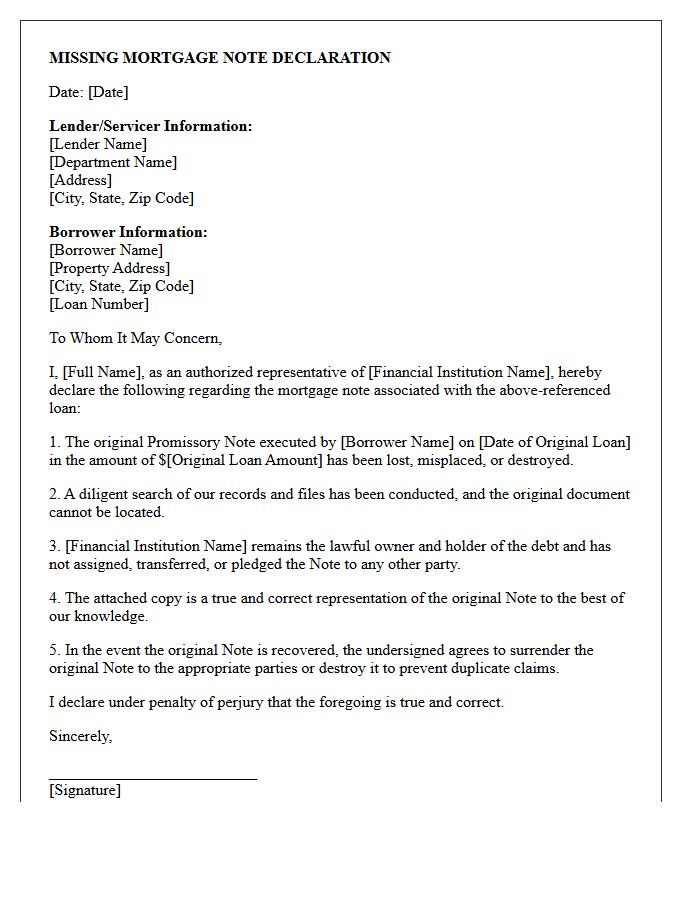
A Missing Mortgage Note Declaration Letter is a legal affidavit used when the original promissory note is lost or destroyed. It serves as formal proof of the debt and the lender's right to enforce payment during a loan payoff or property sale. This document protects the borrower by indemnifying them against future claims if the physical note is ever found. Ensuring this letter is properly notarized is essential for maintaining a clear chain of title and ensuring the legal validity of the mortgage release process.
Commercial Mortgage Satisfaction Clearance Letter
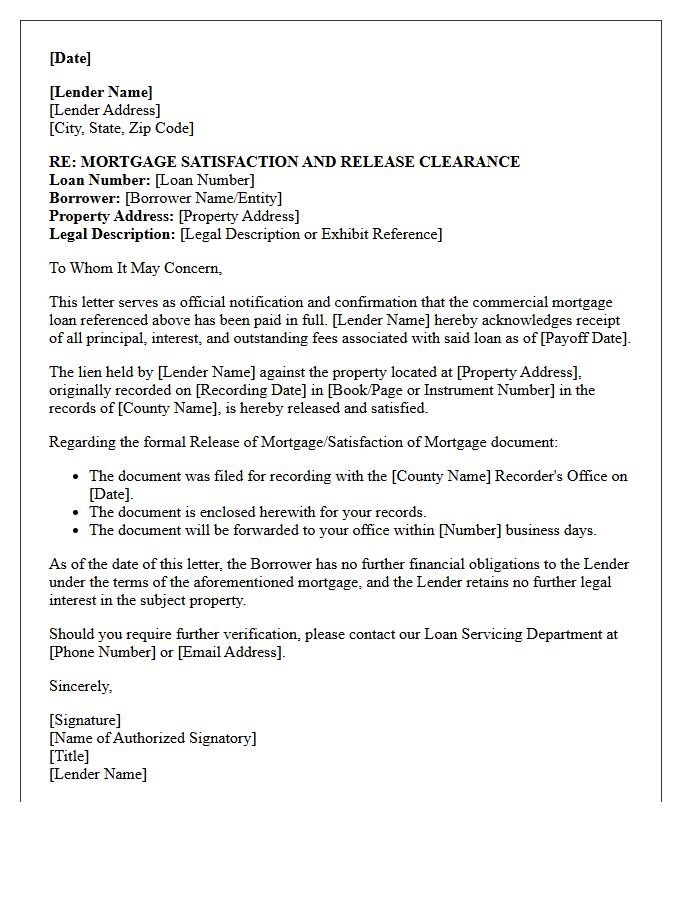
A Commercial Mortgage Satisfaction Clearance Letter is a legal document confirming that a business loan has been fully repaid. It serves as official proof that the lender has released its lien against the property, clearing the title for future transactions. Obtaining this letter is essential to ensure the public record reflects the debt cancellation, allowing the owner to sell or refinance the asset without encumbrances. Always verify that the document is formally notarized and recorded with the local land registry to guarantee complete legal debt discharge.
What is a Lost Note Affidavit?
A Lost Note Affidavit is a legal document signed by a mortgage lender or note holder certifying that the original promissory note has been lost, destroyed, or stolen, but that the debt remains valid and has been satisfied or transferred.
When is a Lost Note Affidavit required?
It is required during a real estate closing or mortgage discharge when the original promissory note cannot be located. This document serves as a substitute for the original note to prove the lender's right to release the lien or transfer the interest.
What is a Mortgage Satisfaction Letter?
A Mortgage Satisfaction Letter, also known as a Release of Mortgage or Satisfaction of Mortgage, is an official document issued by a lender confirming that a mortgage loan has been paid in full and that the lien on the property is officially released.
What is the difference between a Lost Note Affidavit and a Mortgage Satisfaction Letter?
A Lost Note Affidavit accounts for a missing physical loan document, while a Mortgage Satisfaction Letter serves as proof that the underlying debt has been extinguished. Both may be needed simultaneously if the lender loses the original note prior to the final payoff.
Why are these documents necessary for a clean property title?
Both documents are essential for clearing a property's title record. Without them, a cloud remains on the title, which can prevent the owner from selling the property, refinancing the mortgage, or proving unencumbered ownership to future buyers.


Comments